Crawl Space Storage: How to Do It Without Ruining Everything
Turn Wasted Space Into Useful Storage Without Losing Your Belongings to Moisture
A crawl space expert explains how to protect what you store under your home
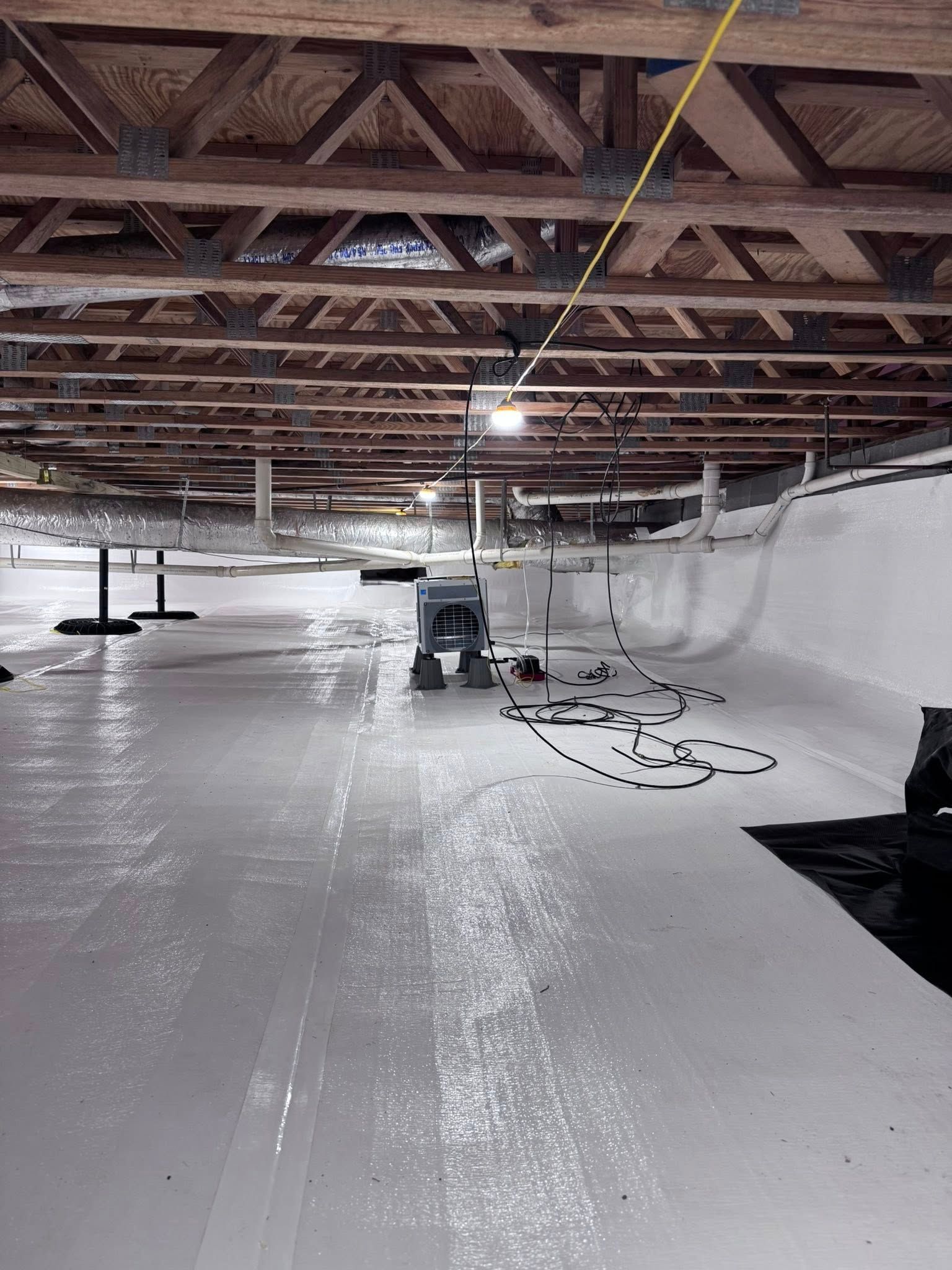
Just wrapped up a job here in Knoxville where the homeowners had been using their crawl space for storage.
Holiday decorations, clothes, family keepsakes - all the stuff you want to keep but don't use every day.
The problem?
Their ductwork was sweating badly, and all that moisture was going straight onto their stored items.
By the time they called us, fungus was growing on everything.
This is something I see all the time.
Homeowners think their crawl space is just extra storage, but without the right protection, it's actually destroying everything they put down there.
Why Crawl Spaces Destroy What You Store
Here's what most people don't understand: an unprotected crawl space is working against you.
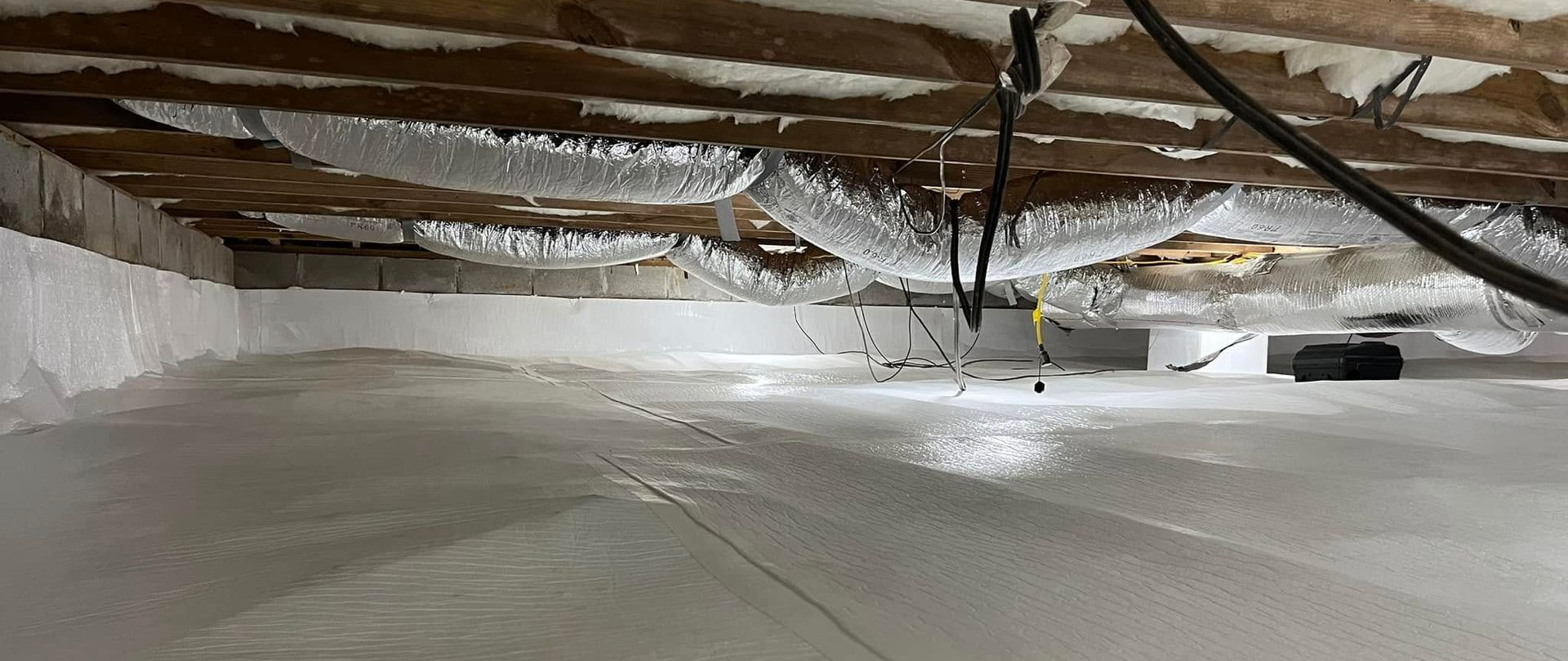
When your air conditioning ducts run through a hot, humid crawl space, they sweat. It's the same as what happens to a cold drink on a summer day - condensation forms on the cold surface. Except in your crawl space, that moisture drips onto everything below.
Add in the natural humidity that comes up from the ground, and you've got the perfect recipe for mold and fungus. Your stored items are sitting in a damp environment, slowly getting damaged by moisture you can't even see building up.
Cardboard boxes fall apart. Fabric grows mold. Metal rusts. Wood warps. Everything you're trying to protect is actually at risk.
What Your Crawl Space Needs Before You Store Anything
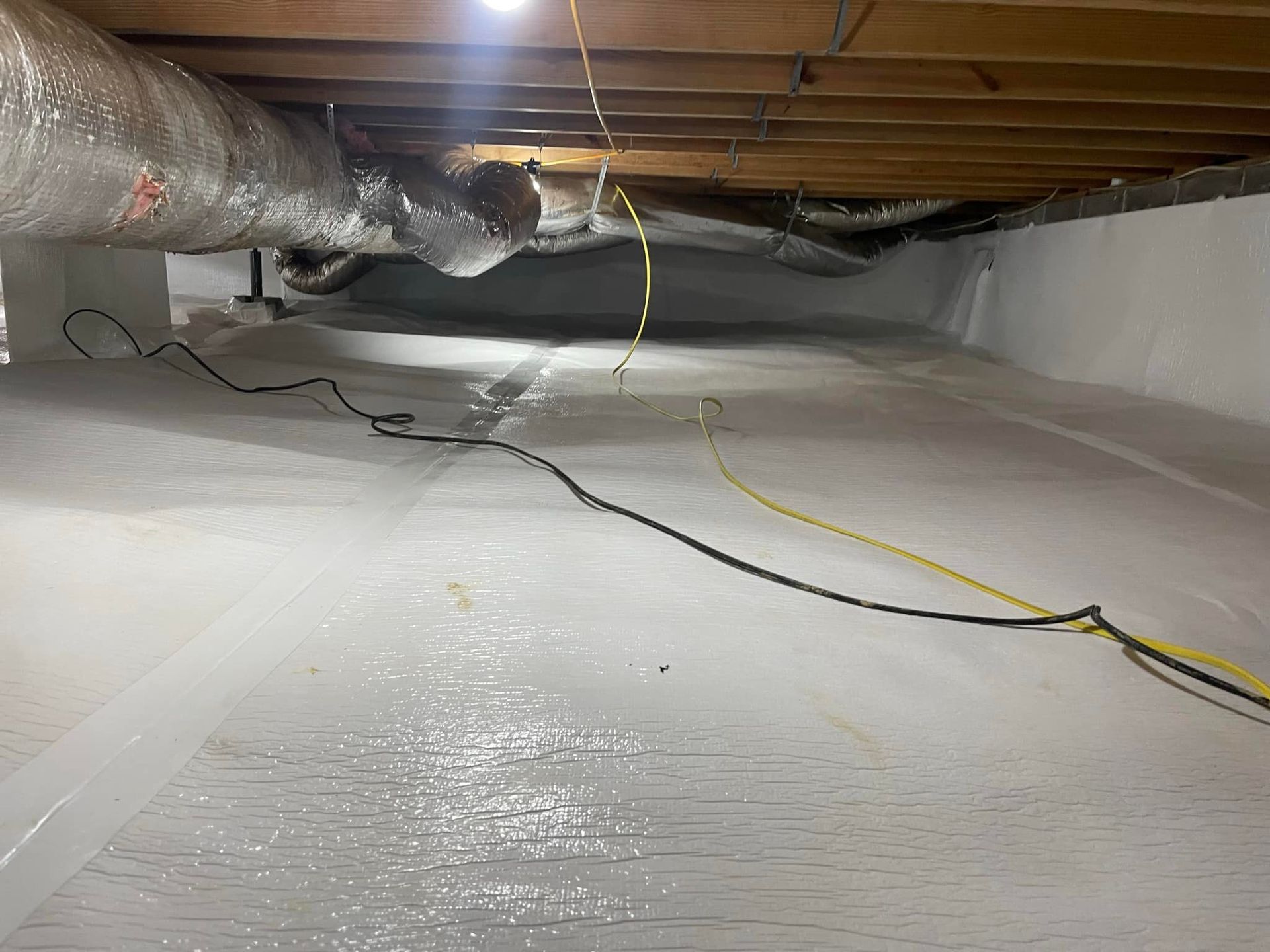
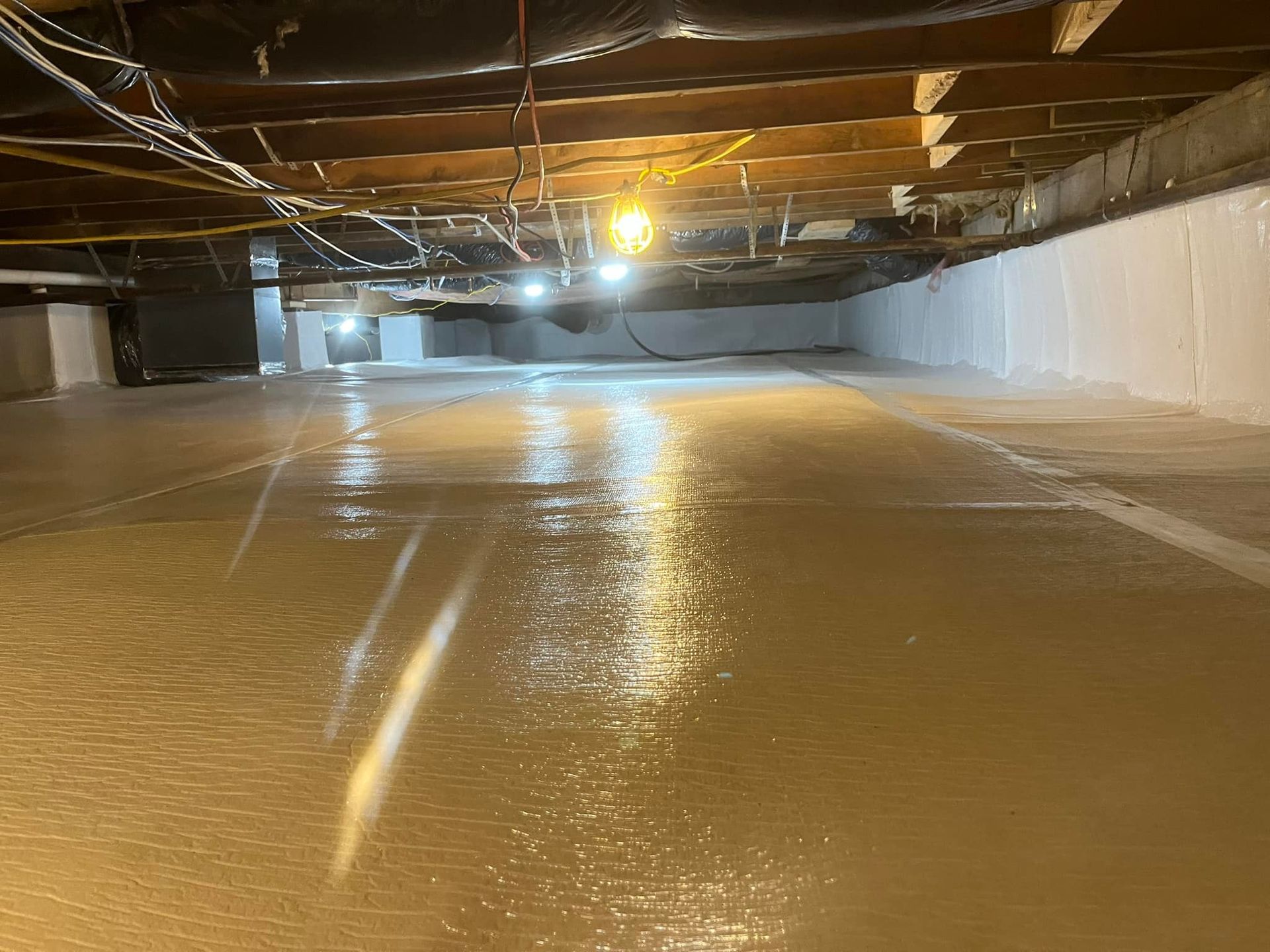
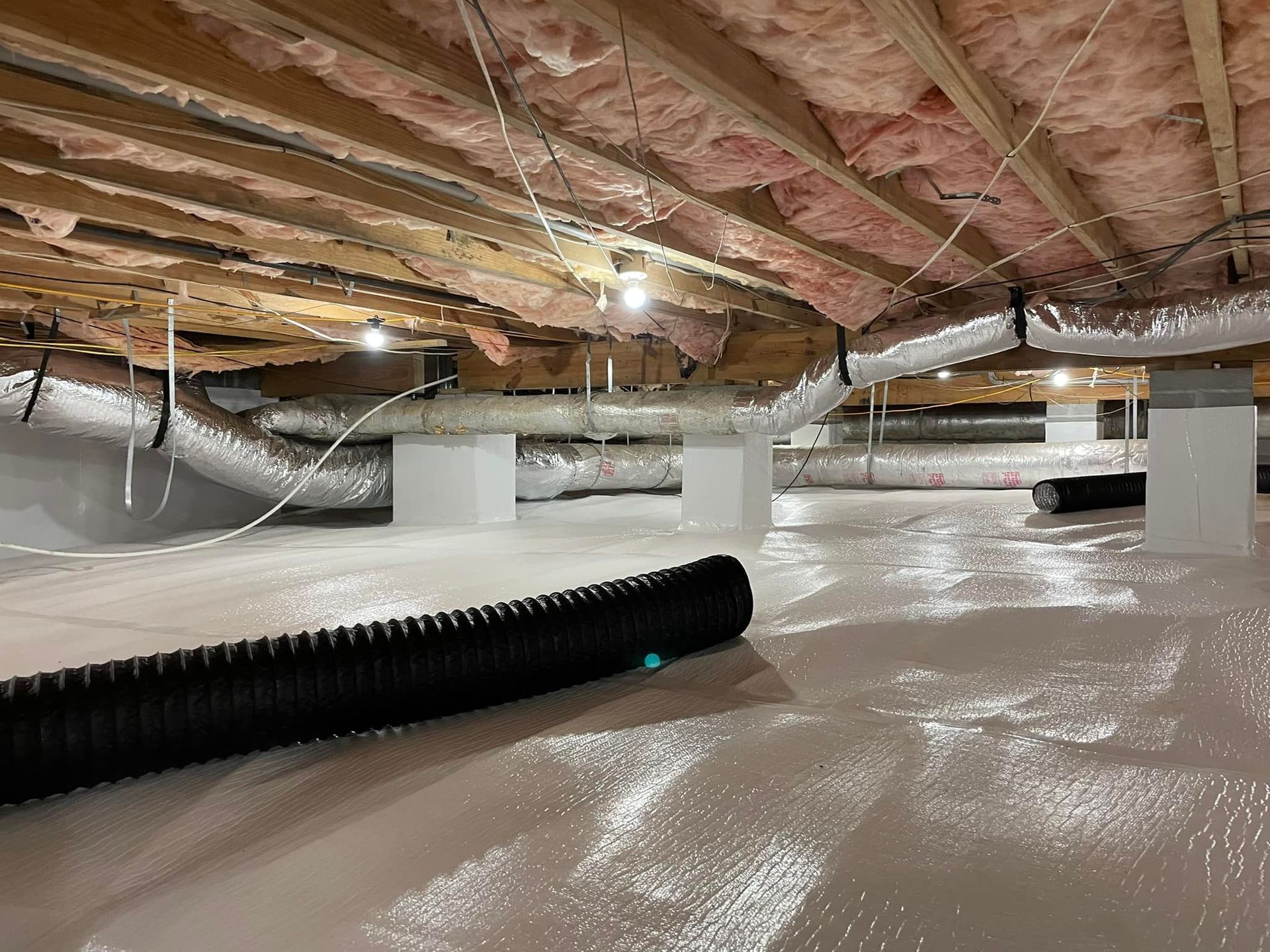
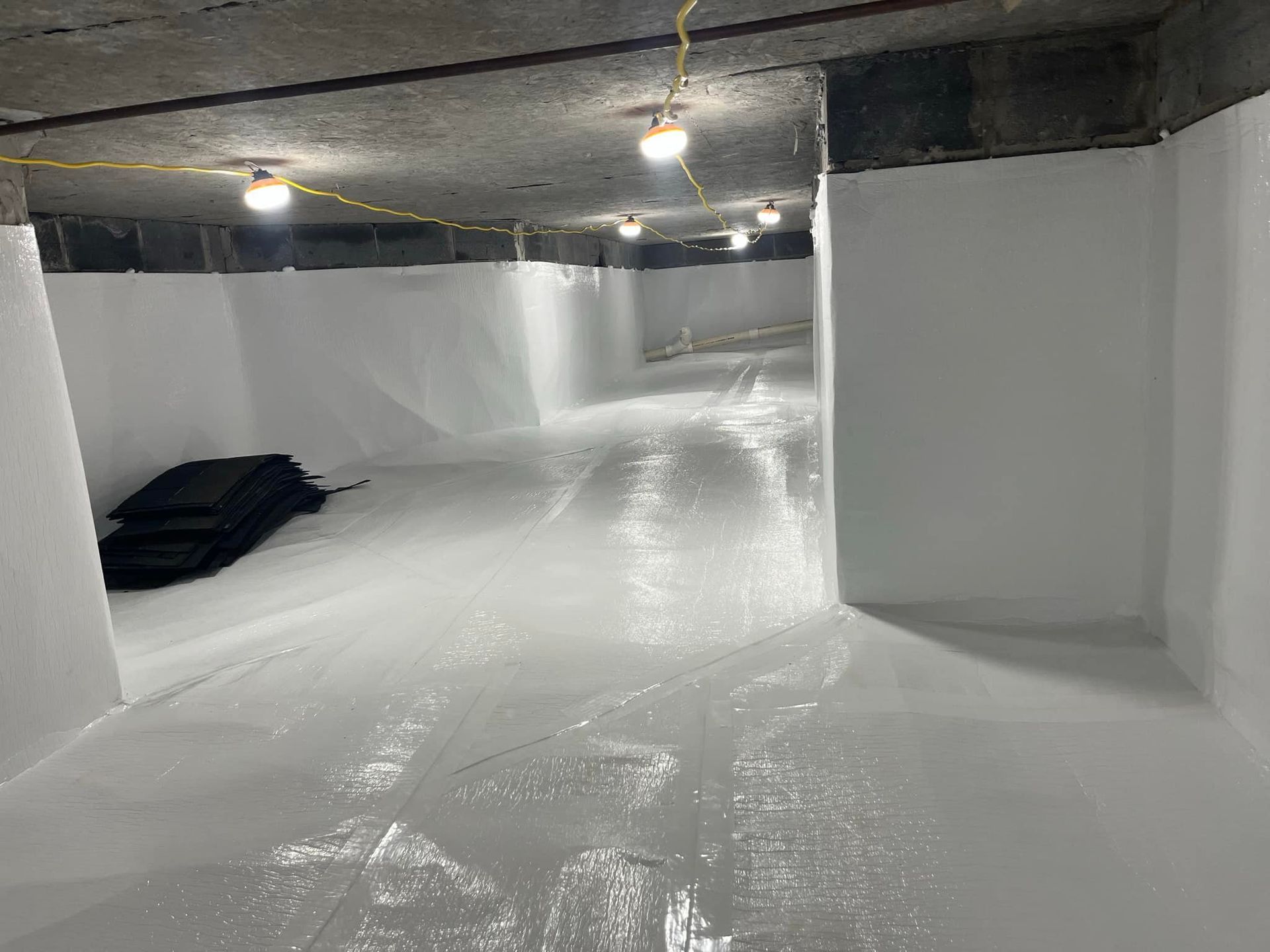
Before you can safely use your crawl space for storage, it needs two things: proper encapsulation and dehumidification.
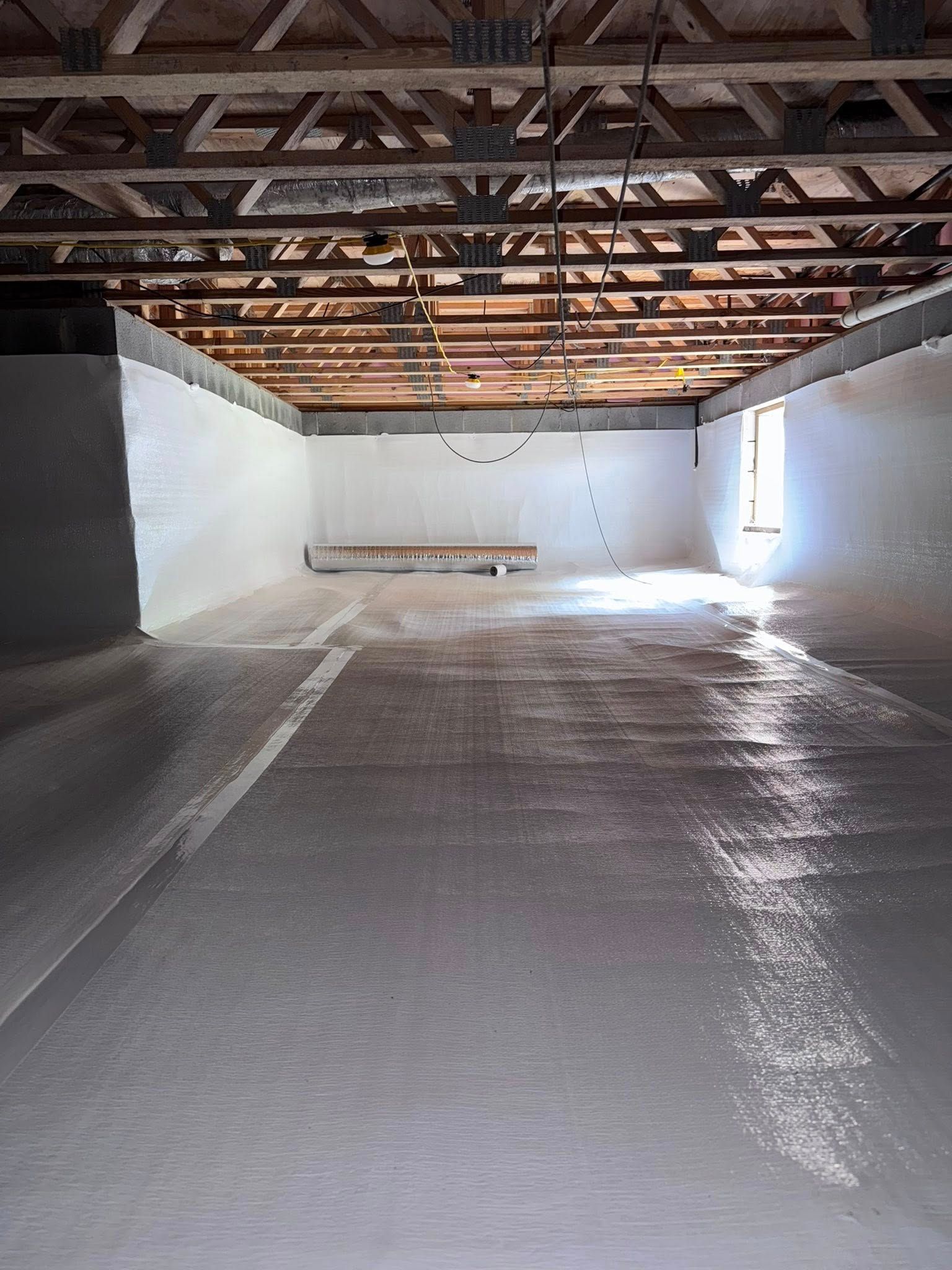
Encapsulation means sealing off the dirt floor and foundation walls with a thick vapor barrier. This stops ground moisture from coming up into your space. Without it, you're fighting a losing battle against humidity.
But encapsulation alone isn't enough. You also need a dehumidifier to control the moisture in the air. This keeps condensation from forming on your ducts and prevents that damp feeling that leads to mold growth.
Together, these two systems turn your crawl space from a moisture trap into a dry, usable area. That's when storage becomes safe.
Turning Your Crawl Space Into Real Storage
Not every crawl space works great for storage, but if yours has decent height like this one in Knoxville, you can make good use of it.
The key is thinking about what you're storing and how you'll access it. Plastic bins work better than cardboard boxes. Items you don't need often can go toward the back. Keep pathways clear so you can actually get to what you need.
Some things are perfect for crawl space storage - holiday decorations, seasonal items, extra household supplies. But avoid storing anything that can't handle any moisture at all, like important documents or electronics. Even with proper protection, your crawl space will never be as dry as your living area.
Protecting Your Investment and Your Belongings
Once your crawl space is set up right, maintenance is pretty simple. Check your dehumidifier periodically to make sure it's running. Look for any tears in the vapor barrier. Pay attention to how things feel when you go down there.
If you start noticing that damp smell again or see condensation forming, something needs attention. Don't wait until your stored items start showing damage. Catching small issues early saves you money and protects what you've stored.
A properly maintained system should last for years and give you real peace of mind about what's under your house.
Ready to Use Your Crawl Space the Right Way?
Look, your crawl space doesn't have to be wasted space. With the right setup, it can actually be useful - a place to store all those things you need but don't use every day.
But doing it right matters. The difference between a protected crawl space and an unprotected one is the difference between safe storage and ruined belongings.
We can help you figure out what your crawl space needs and turn it into something you can actually use. No more worrying about what's happening to your stuff down there.