Crawl Space Drainage Problems After Installation: What Went Wrong
When "Fixed" Crawl Spaces Aren't Actually Fixed
WHAT I FOUND IN THIS KNOXVILLE APARTMENT COMPLEX
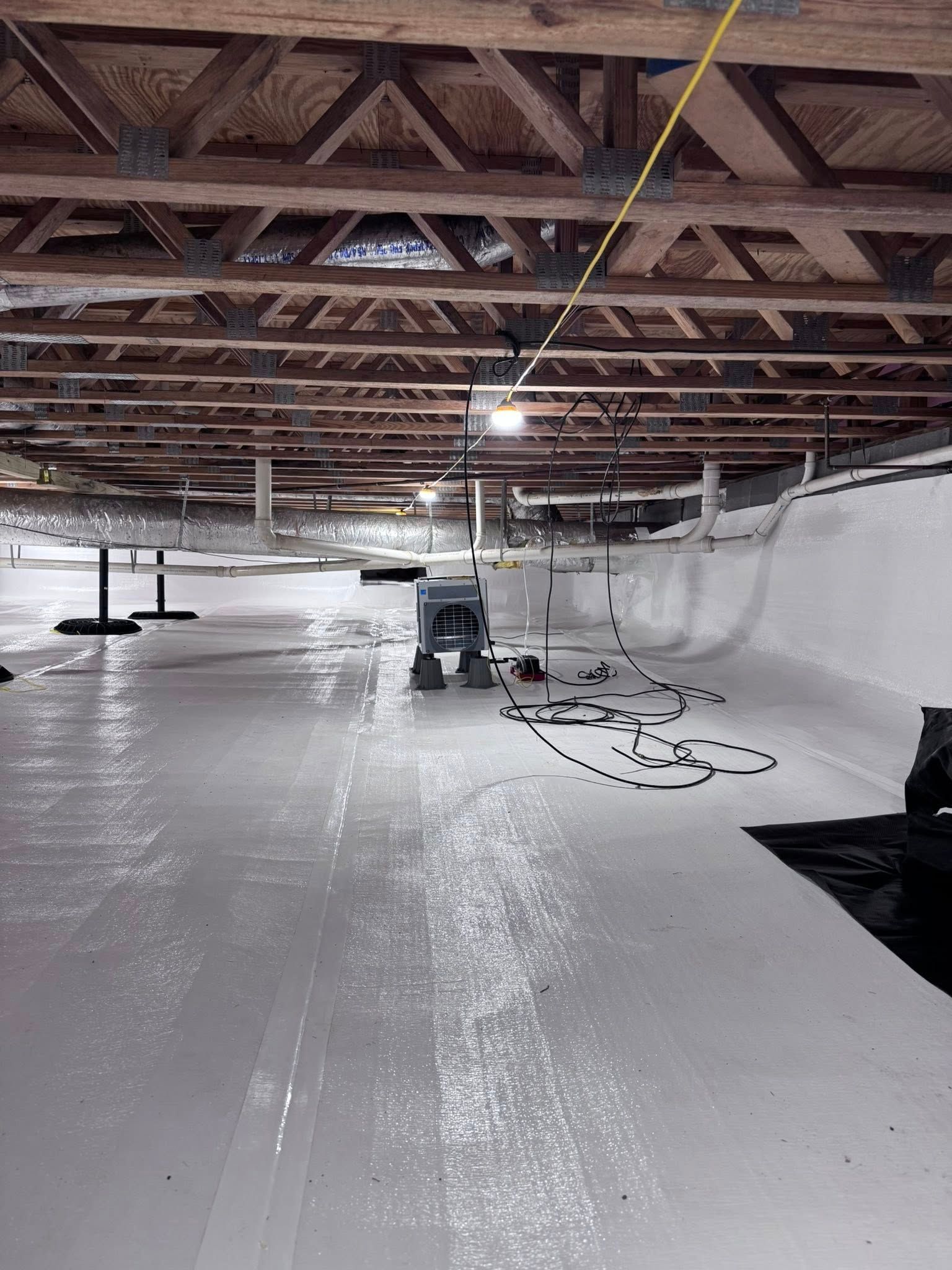
I'm out here in Knoxville today looking at a few really large apartment complexes.
And I'm not here to do the original work - I'm here to see why the work that was already done is failing.
One of my biggest competitors came through here and installed crawl space drainage systems.
And let me tell you, what I'm looking at right now is a textbook example of what happens when you cut every possible corner to win a bid.
We've got drainage sitting above ground. No sock, no gravel.
A pump that's leaking and only running water two feet from the foundation.
Support jacks sitting on two-by-sixes that have deteriorated so badly they look like strips of bacon.
And behind one of these walls, there's probably 2,000 to 3,000 gallons of water just sitting there.
This property owner paid for crawl space waterproofing.
What they got was a massive problem that's going to cost way more to fix than if it had been done right in the first place.
So let me walk you through what went wrong here, and more importantly, what you need to watch for if you're getting crawl space work done.
The Drainage System Failures
Let's start with the drainage, because that's where this whole thing falls apart.
When you install crawl space drainage, it needs to be below ground level. You dig a trench along the footer, you lay the drainage pipe in that trench, and then you protect it. That means wrapping it in a sock to keep sediment out, and bedding it in gravel so water can flow into it properly.
Here? The drainage is sitting above ground. Just laying there on top of the crawl space floor.
There's no sock on most of it. No gravel until you get within a few feet of the sump pump. So sediment's going to clog it, water can't flow into it efficiently, and it's not even catching the water where it needs to - down at the footer level where water actually enters.
This isn't a drainage system. This is PVC pipe laying on the ground hoping to catch some water.
When you install drainage above ground like this, you're not solving the problem. You're just creating the illusion that something was done. And a few months later - like we're seeing here - the crawl space is flooded again because the water's coming in exactly where it always did, at the footer level, completely bypassing this useless drainage.
The Pump Problems
Now let's talk about the sump pump, because even if the drainage was installed correctly, this pump setup would still be a disaster.
First off, the pump is leaking. It's not even doing its one job - pumping water out - without losing water in the process.
But here's the bigger problem. The discharge line only runs about two feet from the foundation before it dumps the water out.
Think about that for a second. You're pumping water out of the crawl space and dumping it two feet away from the house. Where do you think that water's going to go? It's going right back to the foundation, seeping back down into the soil, and flowing right back into the crawl space.
It's a closed loop. The pump runs, dumps the water, the water comes back, the pump runs again. Over and over.
A proper discharge needs to run at least 10 to 15 feet away from your foundation, sometimes more depending on the slope and soil conditions. You want that water far enough away that it's not coming back.
This setup? It's just recycling the same water. The pump's working overtime for nothing, the crawl space stays wet, and the moisture problem never actually gets solved.
The Structural Band-Aids
So with all this moisture and standing water, the floor joists started sagging. And instead of fixing the water problem first, someone decided to just throw some support jacks under there.
They installed these jacks on top of two-by-six boards laying on the crawl space floor. And those boards have deteriorated so badly from sitting in moisture that they're warped and bent like pieces of bacon.
You can't support a structure on rotting wood. It doesn't work.
They even sistered some of the floor joists - that's where you attach a new board alongside a damaged one to reinforce it. But the sistered joists are already starting to bend and warp because the moisture problem is still there.
Every "fix" they did was a band-aid that ignored the actual problem. You've got thousands of gallons of water sitting in this crawl space. The wood is constantly exposed to high humidity. Nothing's going to last in these conditions.
You have to fix the water and moisture problem first. Then you can address the structural damage. Doing it backwards just means you're going to be fixing the same things over and over again.
The Water Damage Nobody Fixed
Behind one of these foundation walls, there's somewhere between 2,000 and 3,000 gallons of water just sitting there. That's not a puddle. That's a swimming pool's worth of water under someone's building.
And all the wood in this crawl space is deteriorating because of it. Floor joists, subfloor, support beams - everything's being destroyed by the constant moisture.
This is what happens when you install a drainage system that doesn't actually drain, and a pump that just recycles water back into the crawl space. The water never leaves. It just sits there doing damage 24/7.
And here's the thing - this didn't happen overnight. This has been building up for months, maybe over a year. The property owner probably kept calling the company saying "it's still wet down there," and either got ignored or got told it takes time to dry out.
It doesn't take time to dry out if the system's installed correctly. If water's still accumulating months after installation, the system's not working. Period.
One corner cut on the drainage installation led to pump problems, which led to standing water, which led to structural damage, which led to more band-aid fixes that are already failing. It's a cascade of failures that all traces back to not doing the job right from the start.
What Should Have Been Done Instead
Alright, so what does proper crawl space waterproofing actually look like?
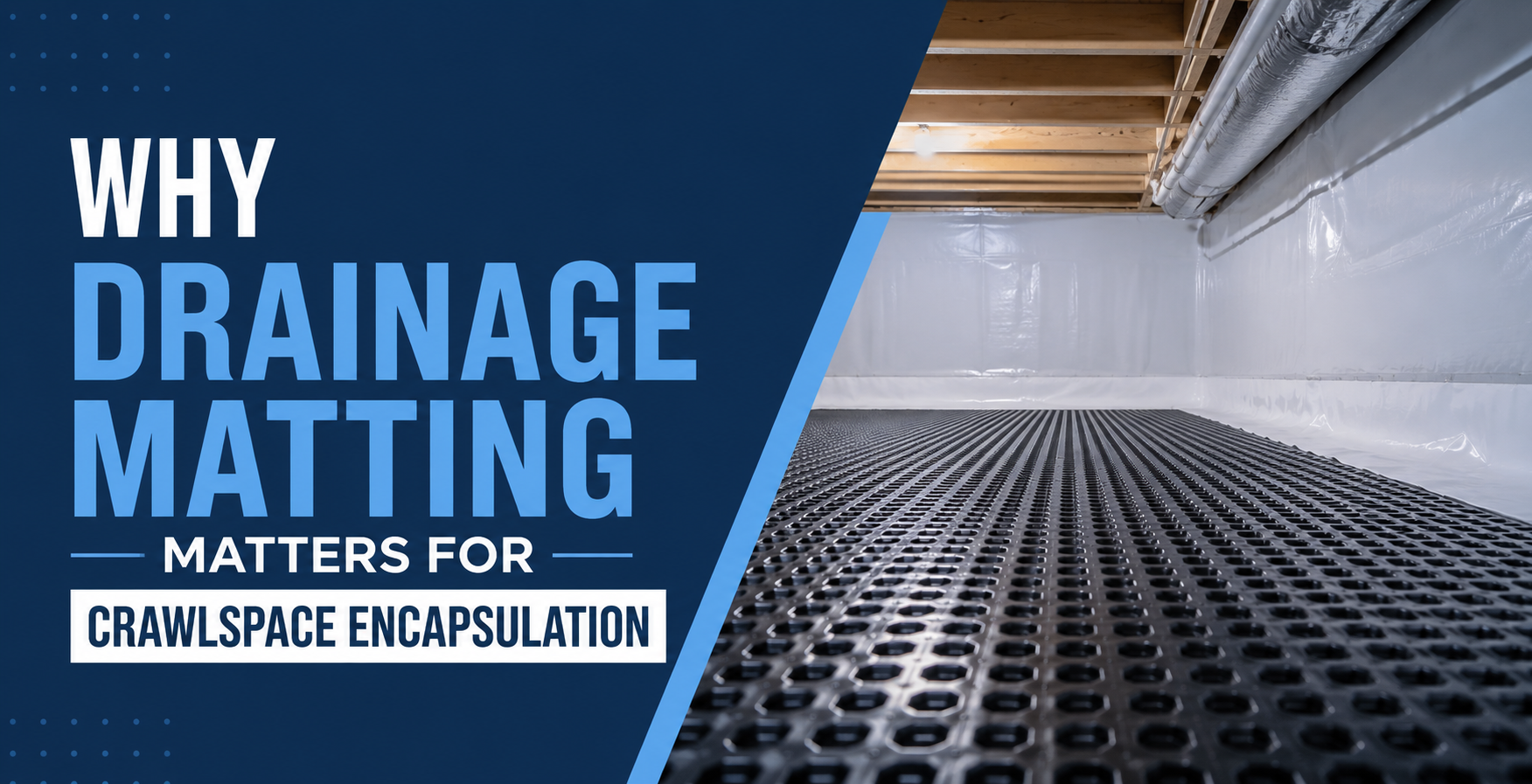
First, the drainage gets installed below ground level in a trench dug along the footer. The pipe gets wrapped in a filter sock to keep sediment out. Then it gets bedded in gravel so water can flow into it from all directions. That's how you actually catch water at the source.
The sump pump needs to be the right size for the space and properly sealed so it's not leaking. And the discharge line needs to run at least 10 to 15 feet away from the foundation - far enough that the water you're pumping out isn't just coming back.
If you need structural support because joists have sagged, you install jacks on proper footings - concrete pads or engineered bases that can handle the load and won't deteriorate in moisture. Not two-by-sixes sitting on wet ground.
And here's the key - you fix the water problem first, then address the structural damage. Not the other way around.
The comprehensive approach costs more upfront. But it actually solves the problem instead of just putting a temporary patch on it.
Ready to Get Your Crawl Space Fixed Right?
If you've had crawl space work done and it's not holding up, or if you're just not sure what's going on under your building, give us a call.
We do second opinions all the time. We'll come out, inspect the existing work, and tell you honestly what's working and what's not. No pressure to hire us - just a straight assessment from someone who knows what to look for.
And if you haven't had any work done yet but you're dealing with water or moisture issues, we'll come do a free inspection and show you exactly what needs to happen.
You can reach out to me directly. I'm the owner, and I'm usually the one doing inspections. We'll get you scheduled, take a thorough look at your crawl space, and give you a quote that actually fixes the problem.
Don't settle for work that's going to fail in a year. Let's do it right the first time.
Contact Forever Guard Waterproofing today for your free crawl space inspection.