Before You Encapsulate: Why Cleaning Out Your Crawl Space Matters
The Step Too Many Companies Skip - And Why It Costs You Later
A century-old Jefferson City home shows why proper preparation makes all the difference
I just finished a job in Jefferson City that shows exactly why preparation matters.
When we first opened the crawl space door, we found nearly a century of accumulated debris.
Construction waste, old materials, leftover supplies - everything that every contractor over the years had left behind.
The space wasn't even that big, but we pulled out enough trash to fill an entire truck bed.
And that was only half of what came out.
Here's the thing: some companies would have just worked around all that mess or covered it up with the vapor barrier.
But that's not encapsulation - that's just hiding problems under plastic.
What Accumulates in Your Crawl Space Over the Years
Think about every time someone's worked on your house. The plumber who replaced pipes. The electrician who ran new wiring. The HVAC tech who installed ductwork. Each one probably left something behind - scraps of materials, packaging, old parts they replaced.
In older homes like this Jefferson City house, you're looking at decades of this buildup. Every renovation adds another layer. Before you know it, your crawl space looks like a construction site dumping ground.
Most homeowners never see it because they never go down there. But when it's time for encapsulation, all that debris becomes a real problem that needs addressing.
Why Some Companies Skip the Cleanup
Let's be honest - hauling trash takes time and effort. It's heavy work, it's dirty, and it adds labor hours to the job. Some companies look at all that debris and think, "We can just work around it."
But here's what that approach costs you: trapped moisture under materials, reduced airflow, wasted space, and an encapsulation system that's not working at full efficiency. You're paying for a clean, dry crawl space but getting a covered-up mess instead.
At Forever Guard, we don't cut corners like that. If there's debris in your crawl space, it comes out before we install anything. Period.
What Real Encapsulation Includes
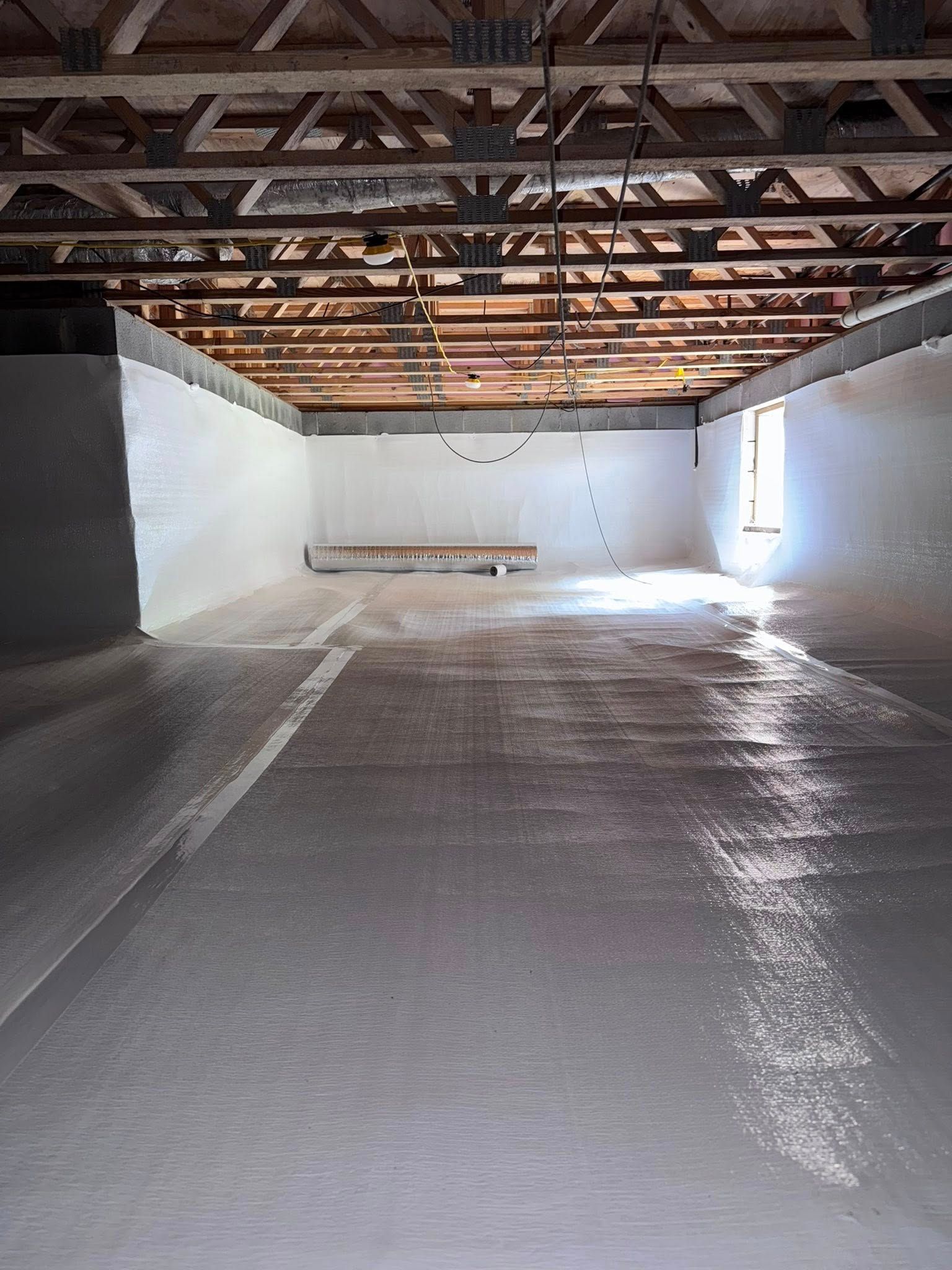
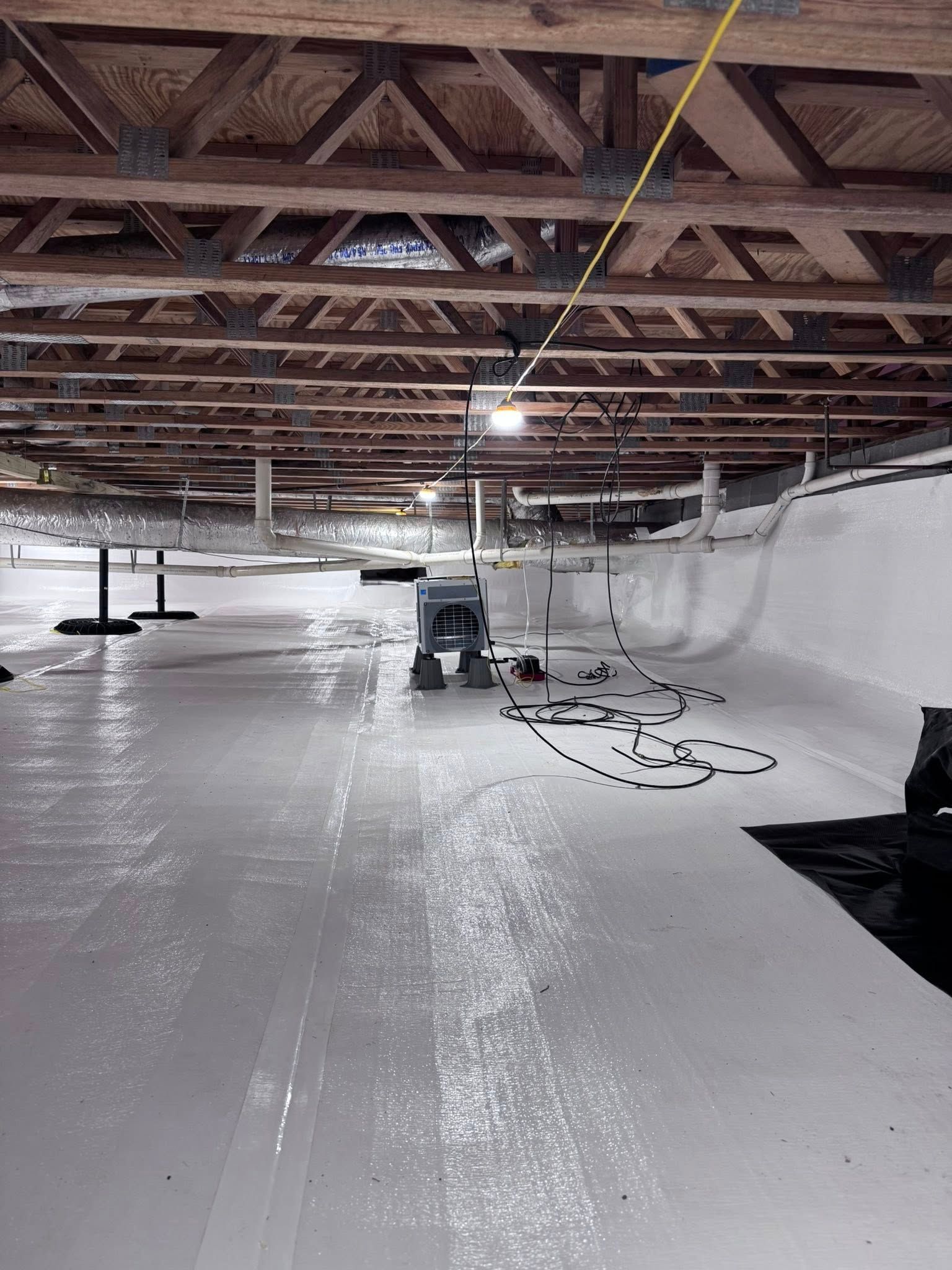
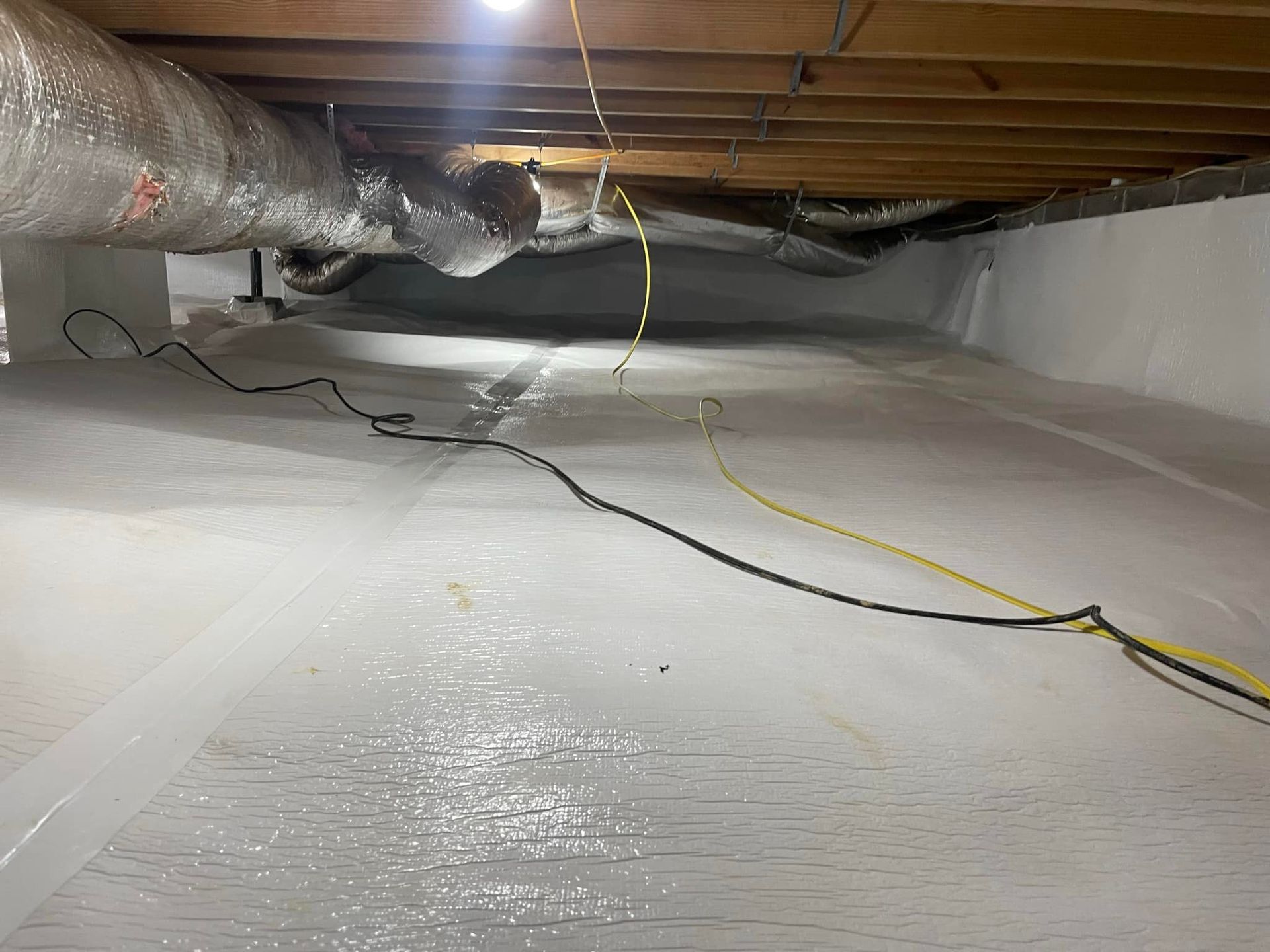
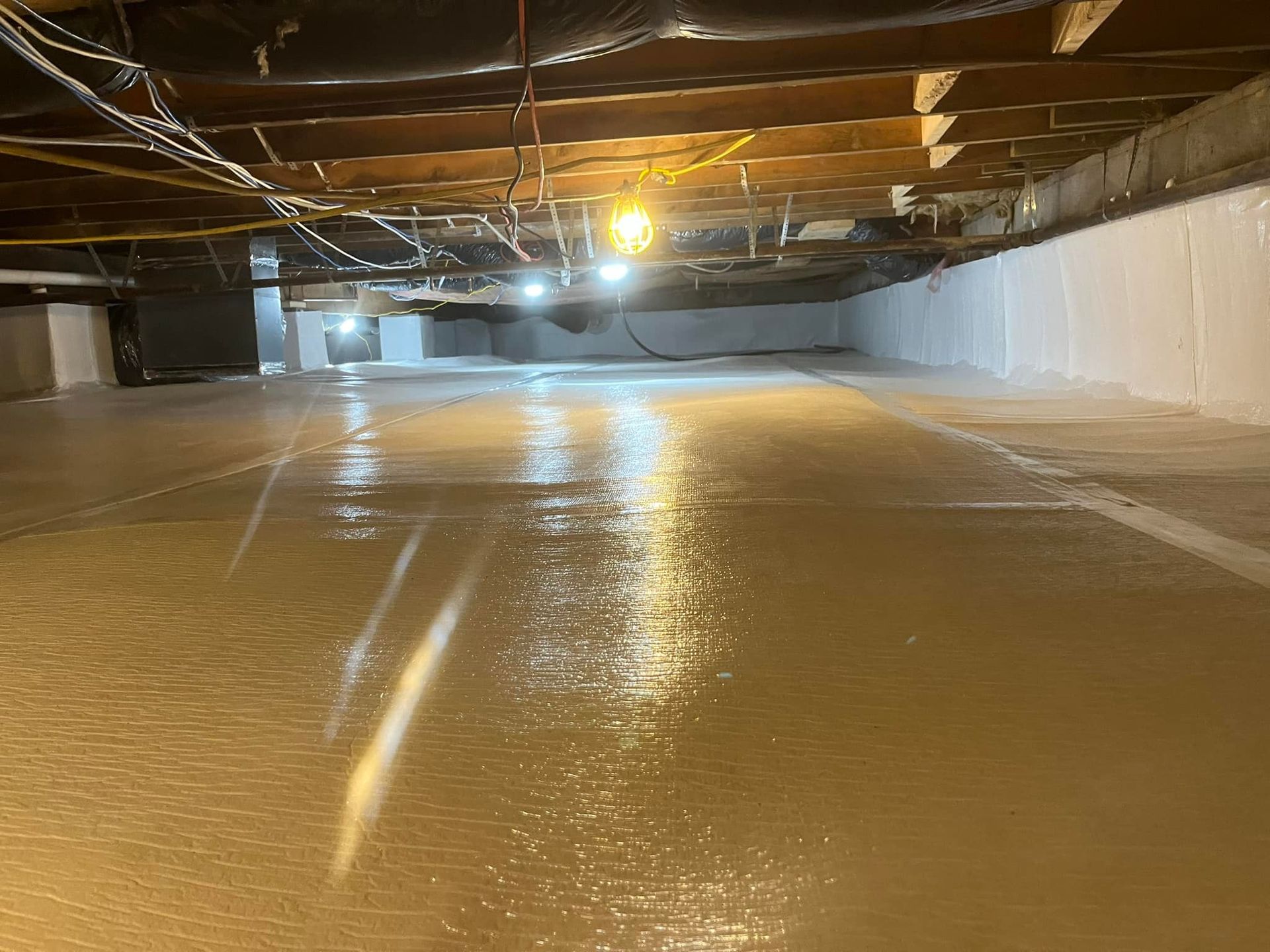
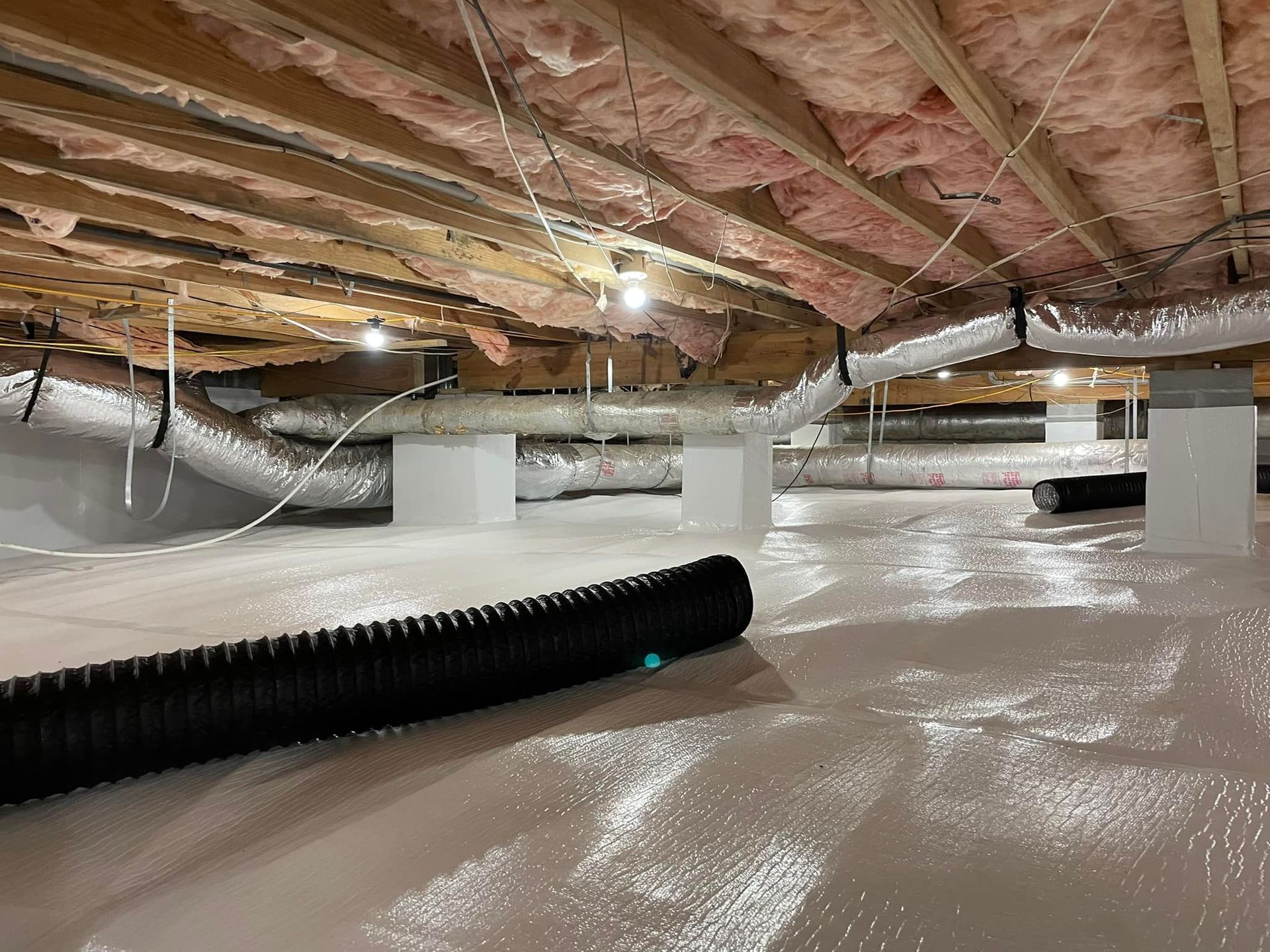
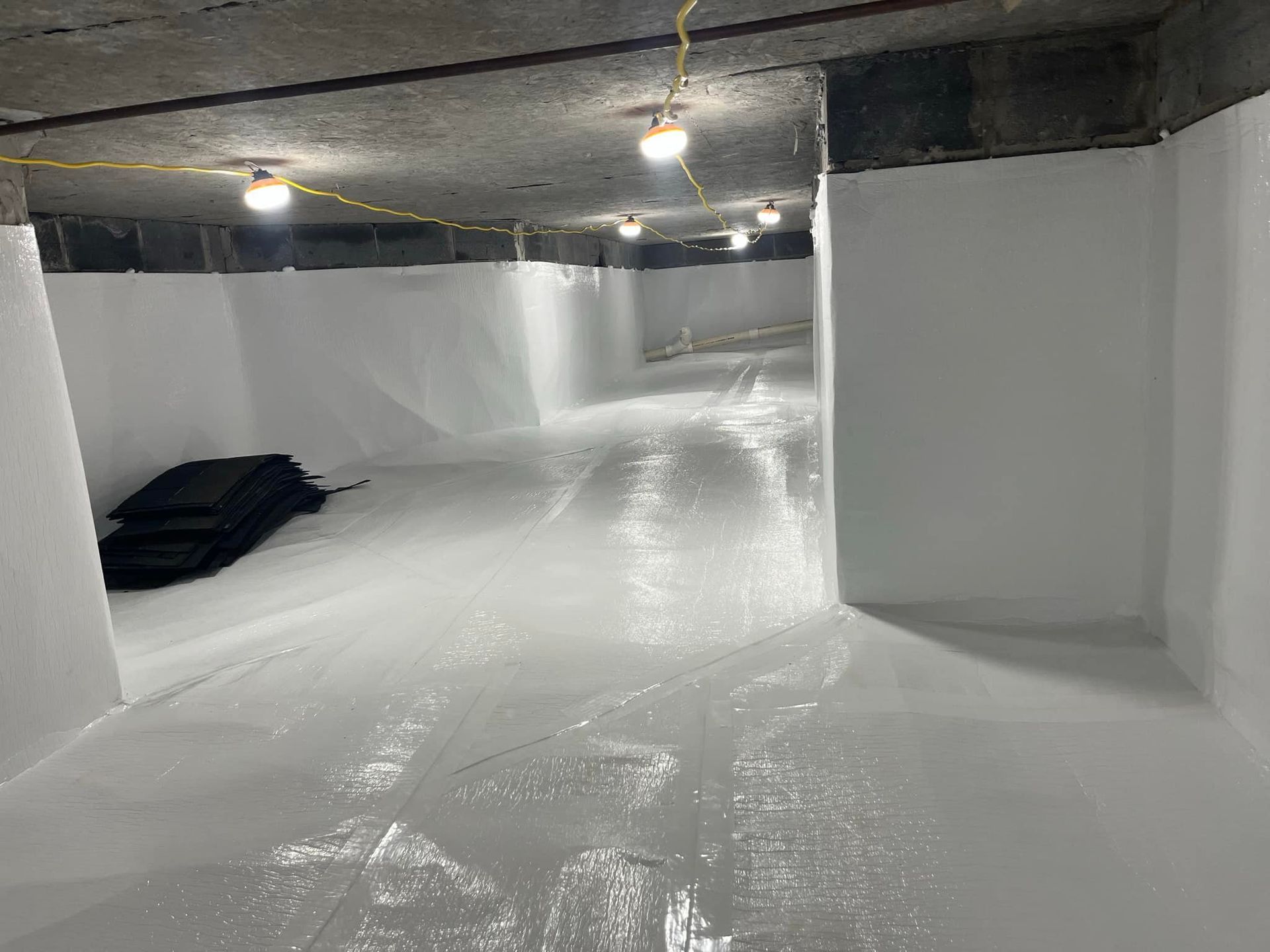
When we finished this Jefferson City project, the homeowners had a completely transformed space. Here's what proper encapsulation looks like:
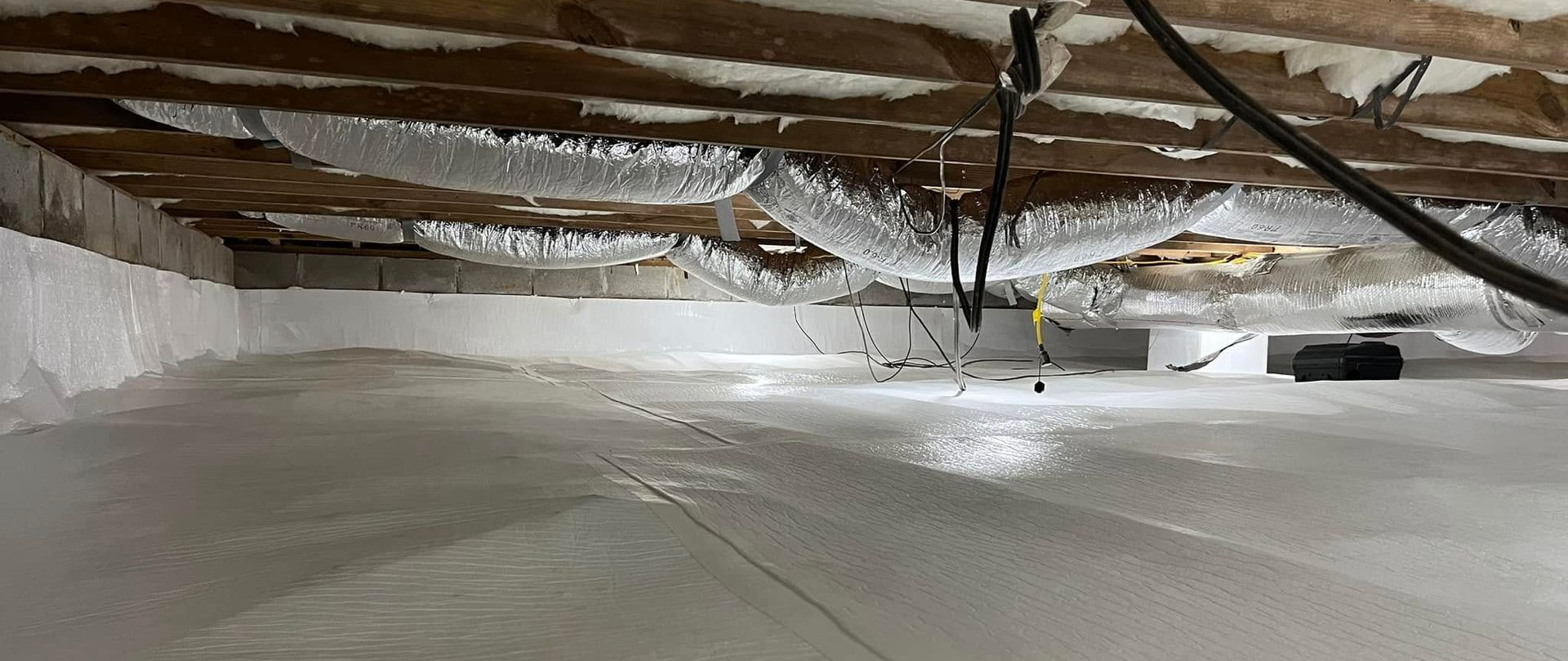
First, we removed every piece of debris - and I mean everything. Then we wrapped and sealed the walls properly. We installed a dehumidifier to control moisture levels. We replaced the old crawl space door and insulated it to prevent air leaks.
The result? A clean, dry space the homeowners can actually use for storage. That's the standard every encapsulation should meet.
The Difference Between Covered Up and Cleaned Out
When you properly clean out a crawl space before encapsulation, you're not just making it look better. You're creating a space that works the way it should.
Your dehumidifier runs more efficiently when it's not fighting around piles of debris. Your vapor barrier seals better when it's not stretched over construction waste. And you actually have usable space instead of a covered junkyard.
Plus, you get peace of mind knowing the job was done right - not just done fast.
Getting Your Crawl Space Done Right
Look, not every company approaches encapsulation the same way. Some are looking for the quickest path to finished. Others - like us - believe in doing it right even when it takes more work.
Before you hire anyone for crawl space encapsulation, ask them what happens to existing debris. Ask if they clean it out or work around it. Ask to see photos of their finished work - really look at whether those spaces are truly clean or just covered up.
If a company can't give you clear answers about their cleanup process, that tells you everything you need to know about how thorough they'll be with the rest of the job.
Don't settle for an encapsulation that just hides your problems. Get one that actually solves them..