Why Your Crawl Space Dehumidifier Needs Yearly Maintenance
Skip This Simple Step and Your System Could Fail When You Need It Most
Why maintenance matters and what happens when companies don't follow through
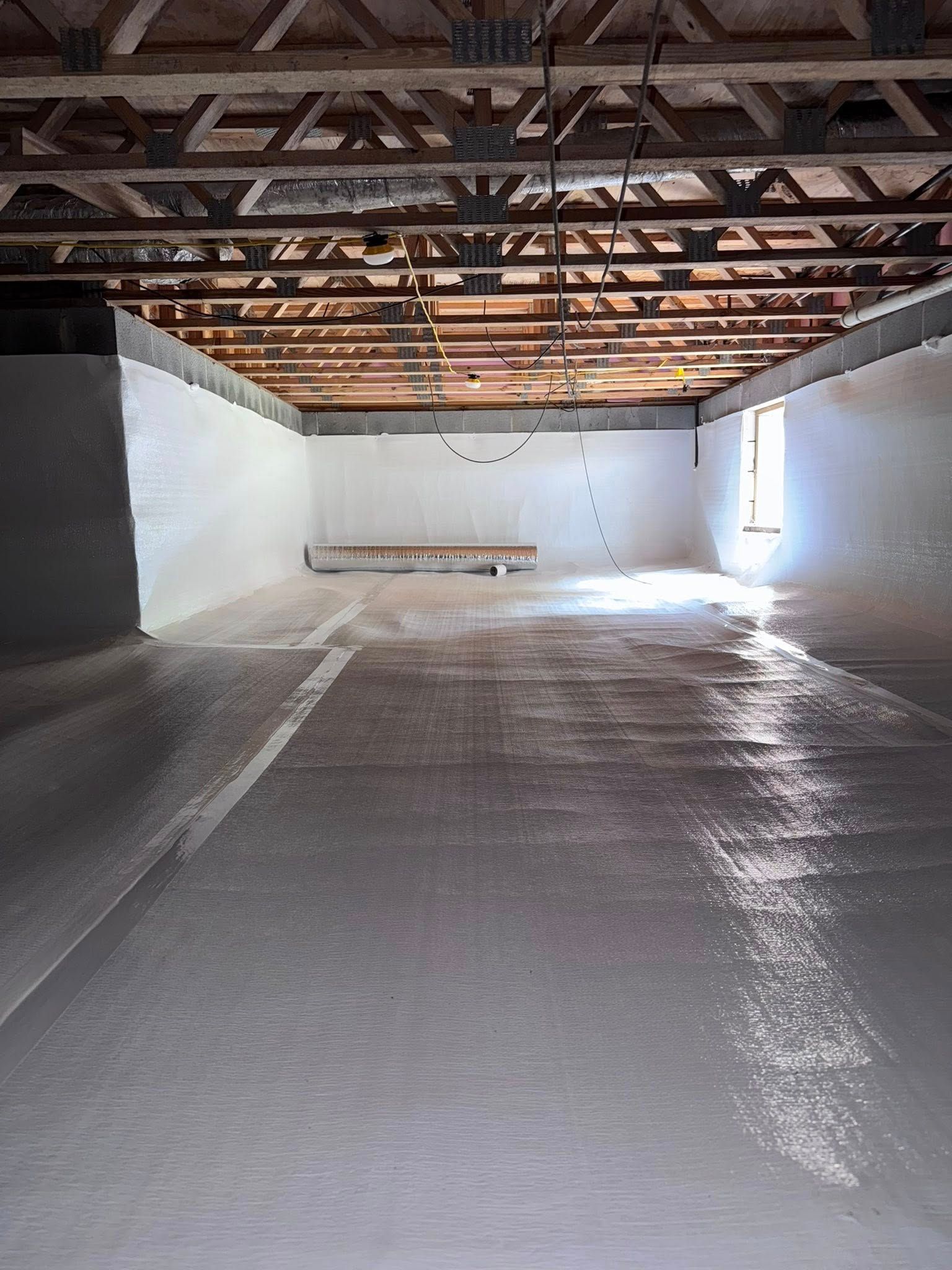
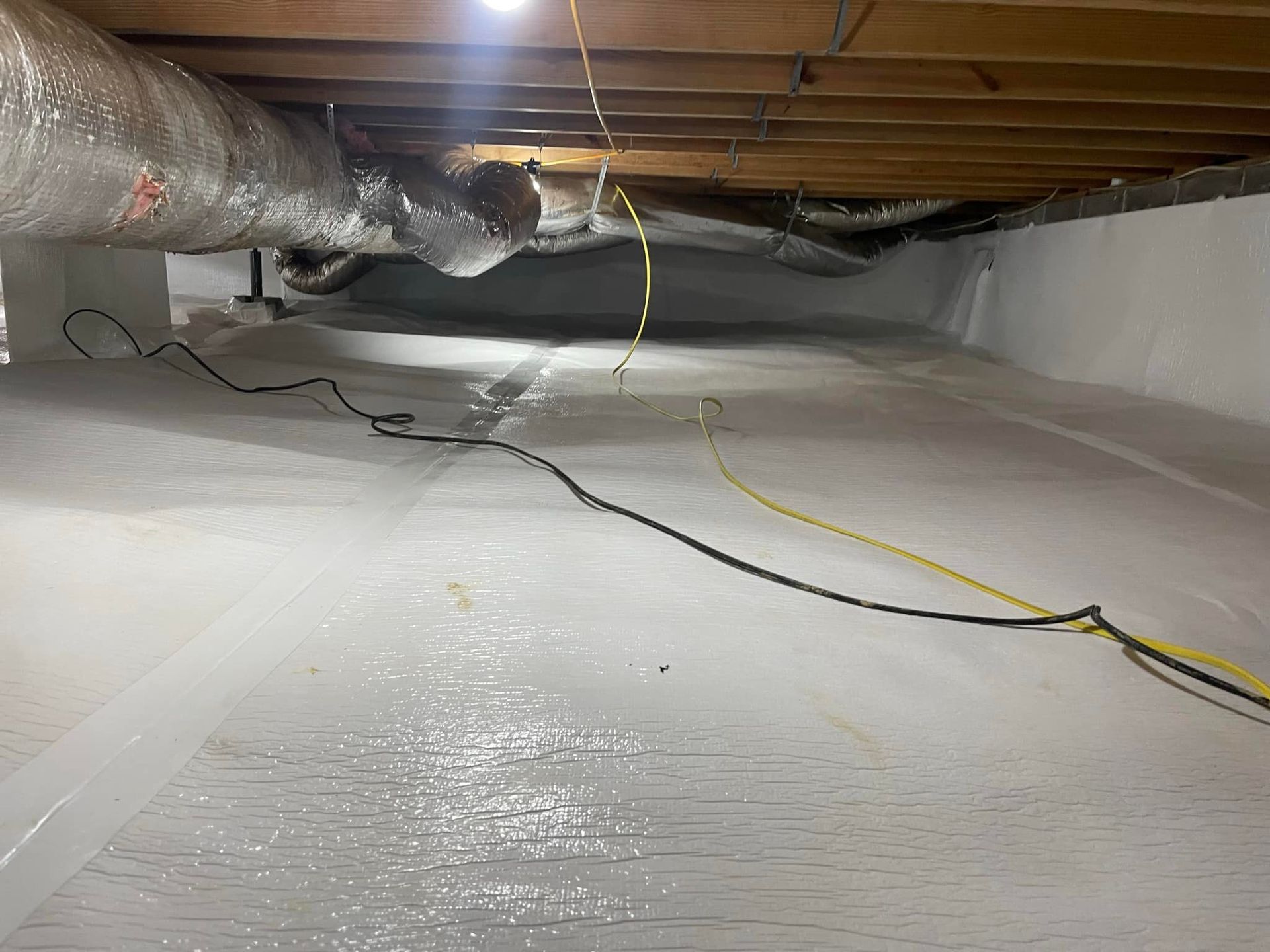
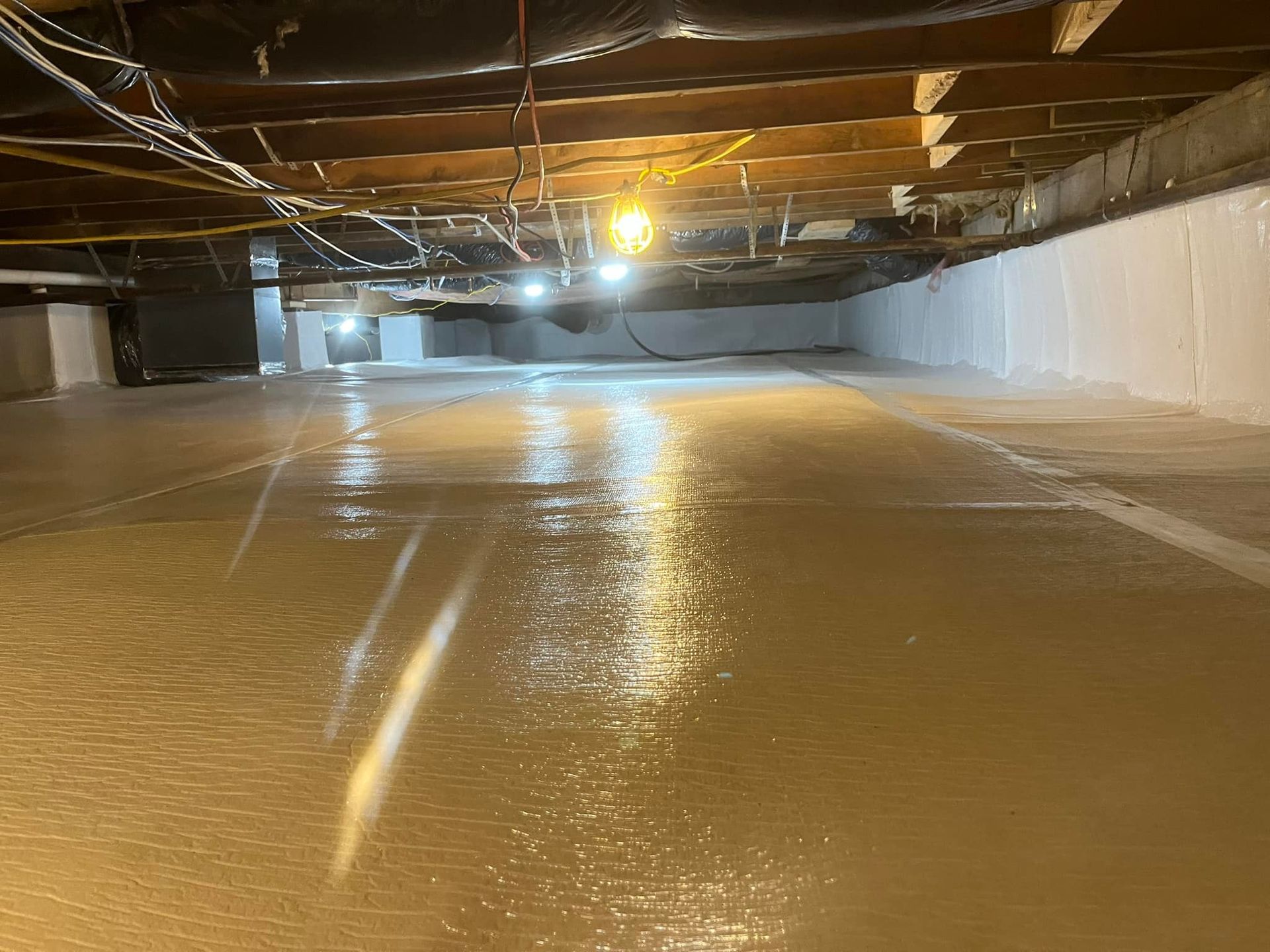
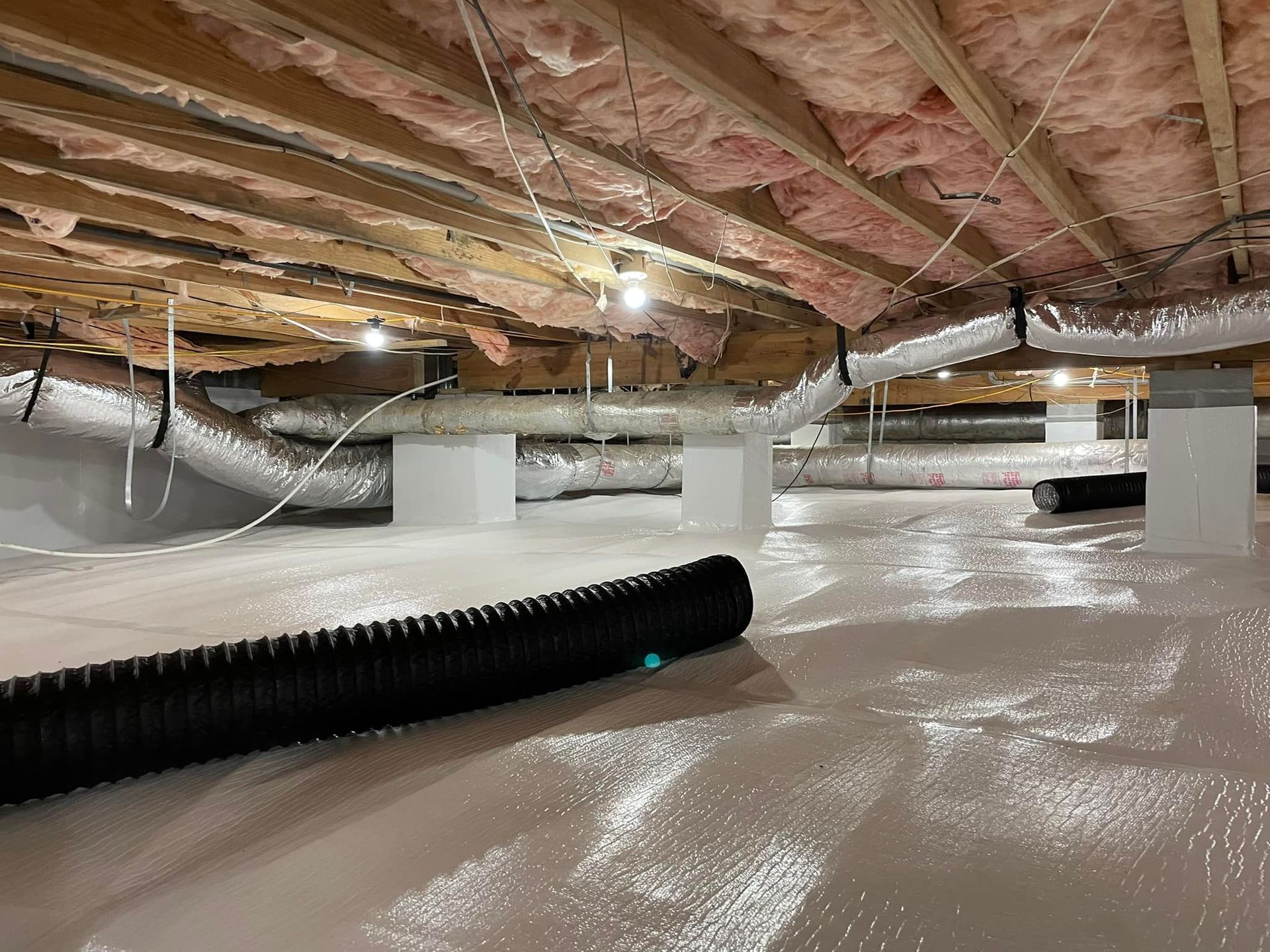
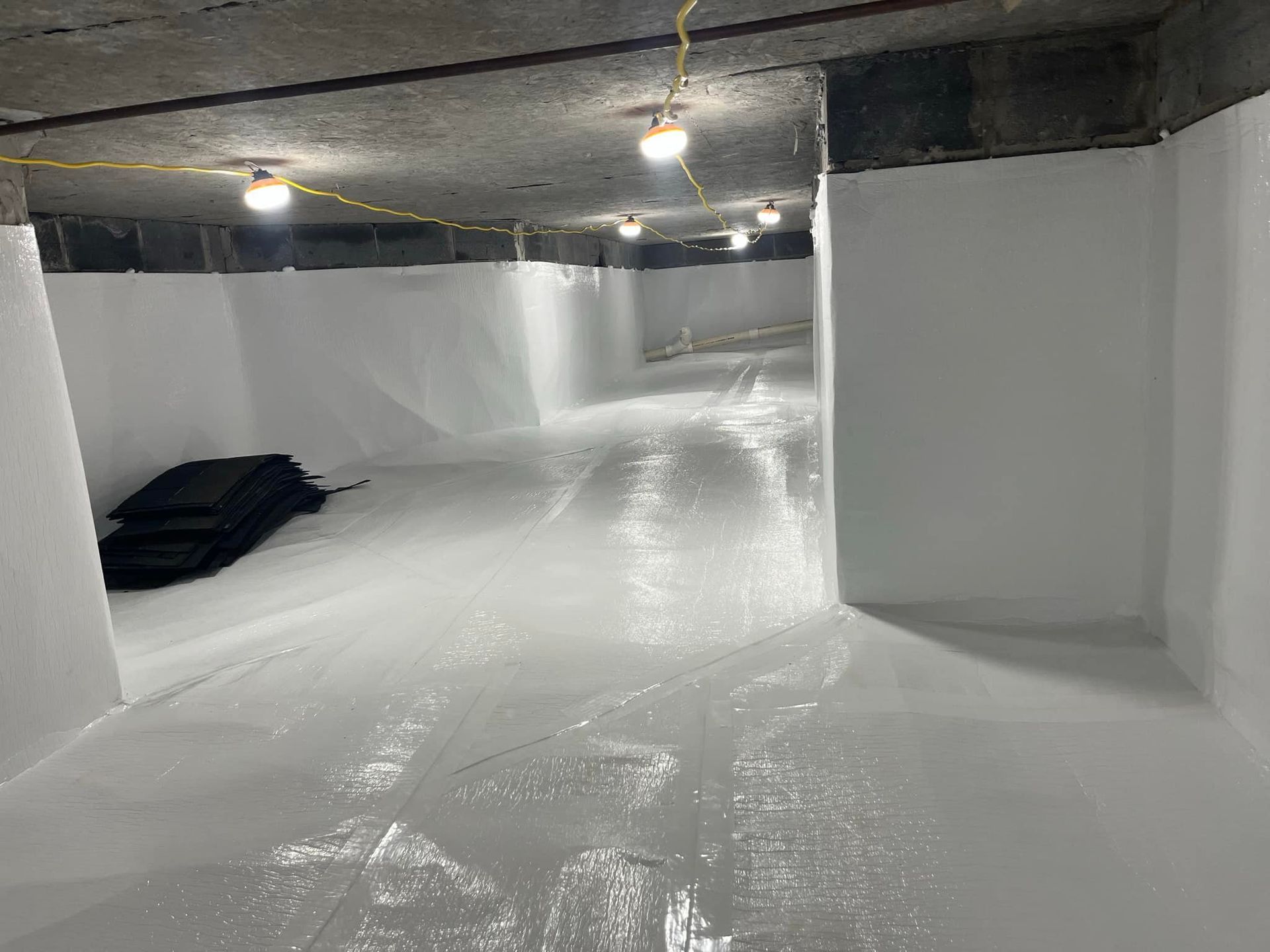
I was out in Knoxville yesterday doing a yearly maintenance check on a crawl space we fixed for a customer.
The previous company - one of the big billboard guys - had done such poor work that we ended up replacing everything they installed.
But that's not what I want to talk about today.
When I opened up the dehumidifier to do the yearly cleaning, I found exactly what I always find: thick algae buildup in the condensate pump.
This is normal. It happens in every system.
But here's the thing - most companies never come back to check.
They install your system and disappear.
That algae keeps building up until it clogs the impeller and stops the float switch from working.
Then your whole system fails, right when you need it most.
What's Really Happening Inside Your Dehumidifier
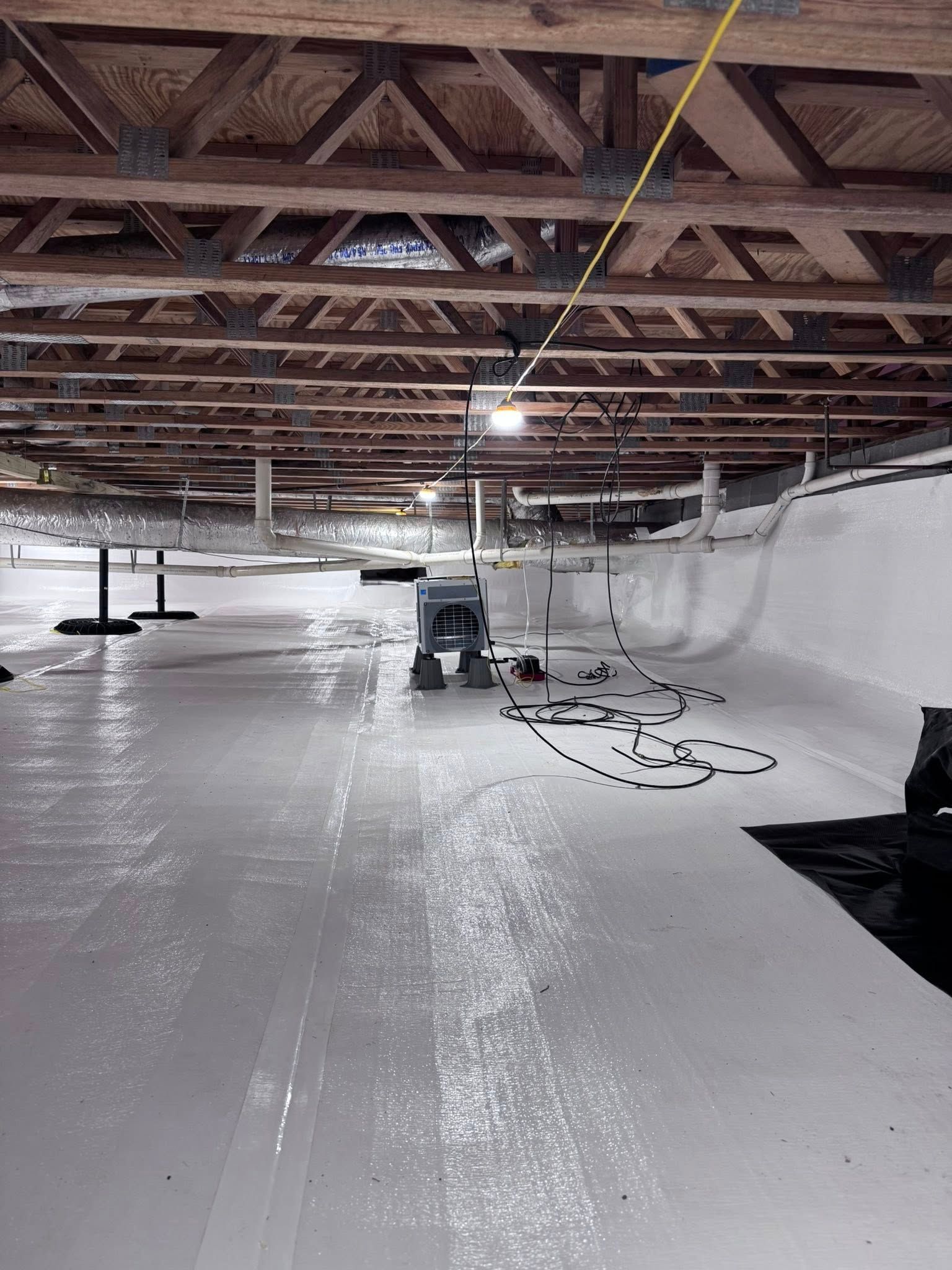
Your dehumidifier pulls moisture out of the air in your crawl space. All that water has to go somewhere, and that's where the condensate pump comes in.
Think of it like a small collection tank with a pump. As the dehumidifier removes moisture, water drips into this tank. When it fills up, a float switch triggers the pump to push the water out through a drain line.
But because this tank is always dealing with moisture in a dark space, algae starts growing. It's not a sign of a bad system - it's just what happens naturally over time.
The problem is that algae doesn't stay thin and harmless. It gets thick and sticky. Eventually, it clogs up the impeller that makes the pump work. It can even prevent the float switch from moving up and down properly. When that happens, your pump stops working, water backs up, and your dehumidifier shuts down.
How Helical Piers Actually Work
Think of helical piers like giant screws that go deep into the ground. They're made of steel with helical plates - kind of like threads on a screw - that grip the soil as we drive them down.
The goal is simple: reach stable soil or bedrock that won't shift. But knowing when you've reached it isn't about guessing. Our equipment measures the pressure as we install each pier. When those readings hit the right numbers, we know we've found solid ground.
That's what makes helical piers work. They bypass all the unstable soil near the surface and anchor your foundation to something that won't move.
Most Companies Install and Disappear
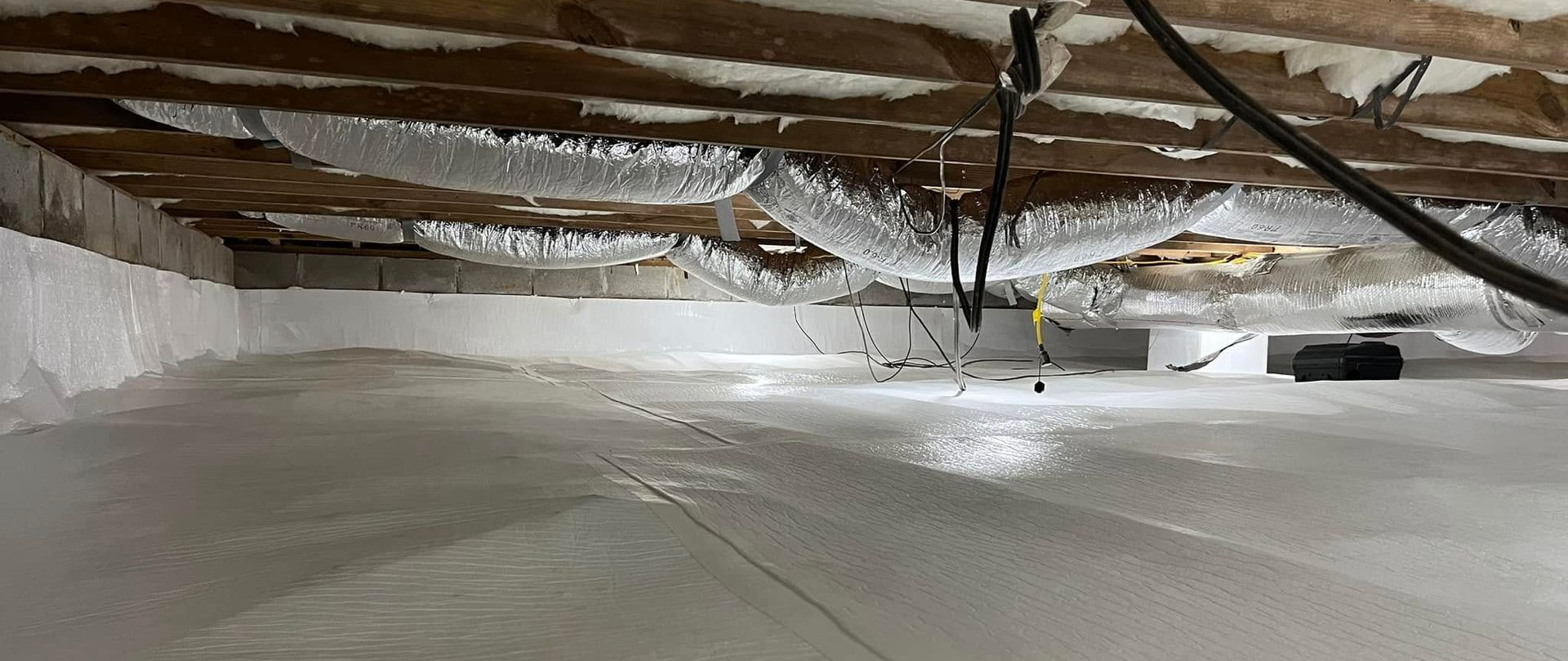
Here's what frustrates me about this industry: too many companies treat crawl space work like a one-and-done deal. They install your encapsulation, set up your dehumidifier, collect their payment, and you never see them again.
They don't tell you that the system needs yearly maintenance. They don't explain that algae buildup is going to happen. And when your dehumidifier fails two years later, they'll charge you full price to come fix a problem that could have been prevented with basic maintenance.
That's not how we do things. When we install a system, we're committed to making sure it keeps working. We come back every year, clean out the algae, add prevention tablets, and check that everything's running right. And if something goes wrong because we didn't maintain it properly, we don't charge you to fix our mistake.
What Proper Maintenance Actually Looks Like
Yearly maintenance isn't complicated, but it needs to happen. Here's what we do when we come back for your annual check:
First, we open up the condensate pump and clean out any algae that's built up over the year. Even with prevention tablets, some growth still happens - that's normal.
Next, we add fresh algae prevention tablets to slow down future growth. These help, but they're not a substitute for yearly cleaning.
Then we test the float switch to make sure it moves freely and triggers the pump at the right water level. We run the pump to confirm it's pushing water through the drain line properly.
Finally, we check the dehumidifier itself - making sure it's pulling moisture, the filters are clean, and all the sensors are working correctly.
This whole process takes less than an hour, but it prevents system failures that could cost you hundreds or thousands to fix.
Protect Your Investment with Real Support
Look, installing a crawl space system is an investment in your home. But that investment only pays off if the system keeps working year after year.
That's why choosing a company that follows through matters just as much as choosing quality materials. You need someone who's going to be there when maintenance is due, who's going to catch small issues before they become big problems, and who's going to stand behind their work.
We built our business on that kind of follow-through. When we install a system, we're committed to maintaining it. We come back every year, we keep your equipment running right, and we don't disappear when you need us.