What That Standing Water in Your Crawl Space Is Doing to Your Foundation
Standing Water Means Foundation Damage
Here's what's really happening under your house
I was out in Maryville this week looking at a crawl space, and honestly, it's a situation I see way too often.
This homeowner had about 8 to 10 inches of standing water sitting around the entire perimeter of their crawl space.
Now, when most people see standing water like that, they think, "Okay, I've got a water problem."
And you're right - you do. But here's what most homeowners don't realize: that water isn't just sitting there.
It's actively damaging your foundation right now.
The bigger issue? By the time you notice the standing water, it's usually been there for a while.
And it's already started doing damage you can't see yet.
I'm writing this because I want you to understand what's really going on when you have standing water in your crawl space.
Not just the water you can see, but what that water is doing to the most important part of your house - your foundation.
The Construction Shortcut Nobody Talks About
Here's something most homeowners don't know about how their house was built.
When construction crews pour your foundation, they're supposed to backfill dirt back on top of the footer. The footer is basically the base that your entire foundation sits on. Covering it properly is important because it protects that footer from water damage.
But here's what actually happens on a lot of job sites: they drop the footer in, build the foundation wall on top of it, and just leave it. No backfill. No protection. The footer stays exposed.
Why do they do this? Simple. It saves time and it saves money. Backfilling properly takes extra work and materials. For the builder, skipping this step means they can move on to the next house faster.
The problem is, you don't find out about this shortcut until years later when water starts pooling in your crawl space. And by then, that exposed footer has been sitting there getting hit with water and moisture for years.
This is exactly what happened with the Maryville crawl space I looked at. The builder left the footer exposed during construction - probably 15 or 20 years ago. And now the current homeowner is dealing with the consequences.
What Standing Water Does to Your Footer
When water sits directly on top of your footer like that, it doesn't just sit there doing nothing. It starts eroding the concrete.
Think about it like this: if you had a rock sitting in a stream, that water would slowly wear it down over time. Your footer is the same way. That standing water is constantly working on breaking down the concrete.
As the footer erodes, it loses its strength. And remember, your entire foundation is sitting on top of that footer. When the footer gets weaker, your foundation starts to settle. That means it sinks down into the ground unevenly.
Foundation settlement causes all kinds of problems. Cracks in your foundation walls. Cracks in your drywall inside the house. Doors and windows that won't close right. Floors that feel uneven or bouncy.
And here's the thing that surprises most homeowners: this doesn't get better on its own. It only gets worse. The longer that water sits there, the more damage it does. Every day, every week, every month - the erosion continues and the settlement gets worse.
The Two Problems You Actually Have
So when I'm looking at a crawl space like the one in Maryville, I'm not just seeing a standing water problem. I'm seeing two separate problems that both need fixing.
Problem #1 is the standing water itself. That's the obvious one. Water is coming into your crawl space and it has nowhere to go. It just sits there on top of your footer, doing that erosion damage I just talked about.
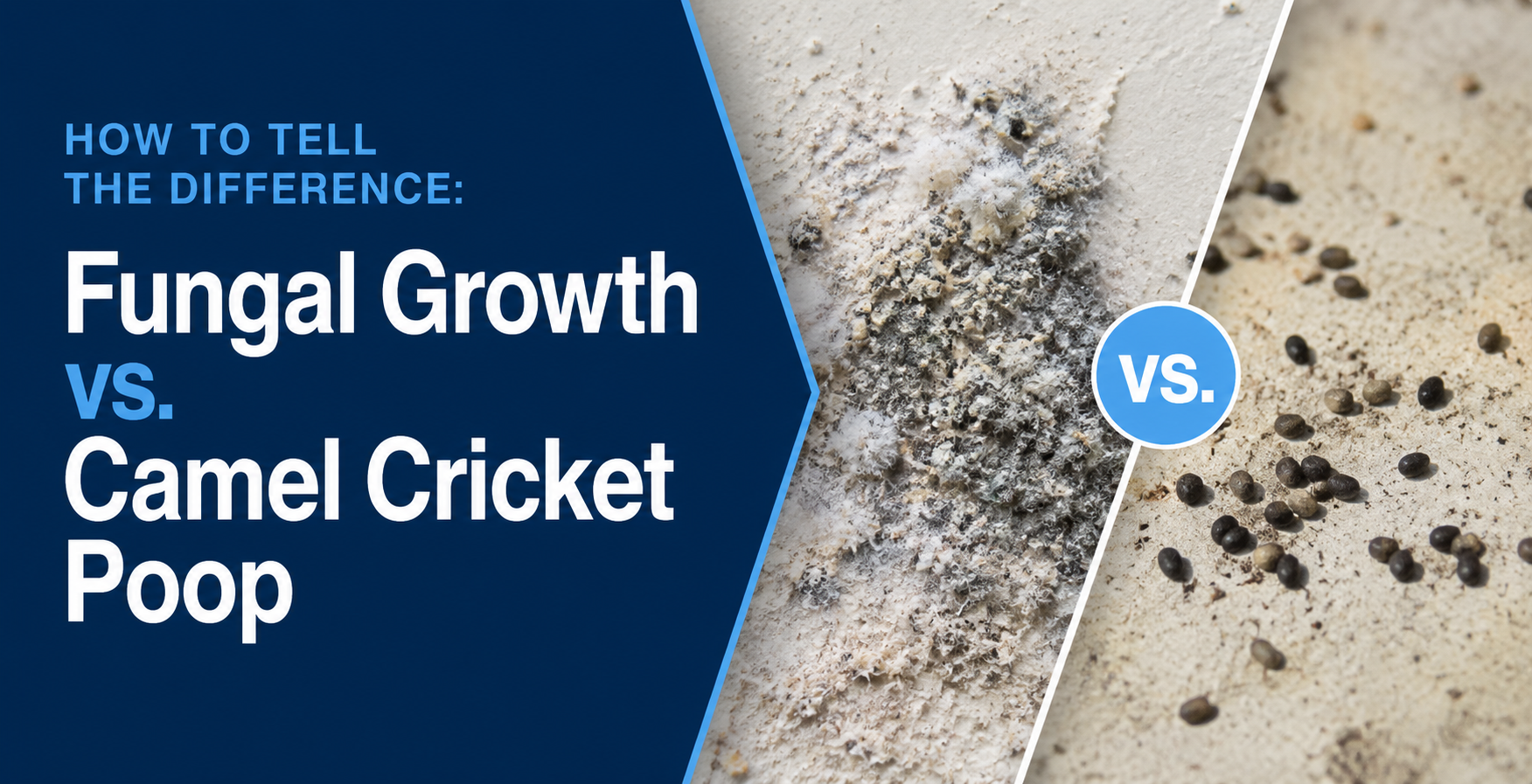
Problem #2 is the moisture damage that's already happened. Even after we pump out all that standing water, you've still got a crawl space full of moisture. That humidity has gotten into your insulation, your floor joists, your ductwork. In the Maryville crawl space, the insulation was deteriorating, there was fungal growth on the wood, and the ductwork was falling apart.
A lot of homeowners think once you get rid of the standing water, you're done. But that's not how it works. The moisture problem sticks around even after the water is gone.
And here's why this matters: if you only fix the standing water, that existing moisture keeps damaging your crawl space. The insulation keeps deteriorating. The fungal growth keeps spreading. Your wood keeps rotting.
On the flip side, if you only deal with the moisture but don't fix the drainage, new water just keeps coming in and you're right back where you started.
You need both problems fixed to actually protect your home.
How We Actually Fix Both Problems
For the Maryville crawl space, here's what I proposed to fix both the standing water and the moisture damage.
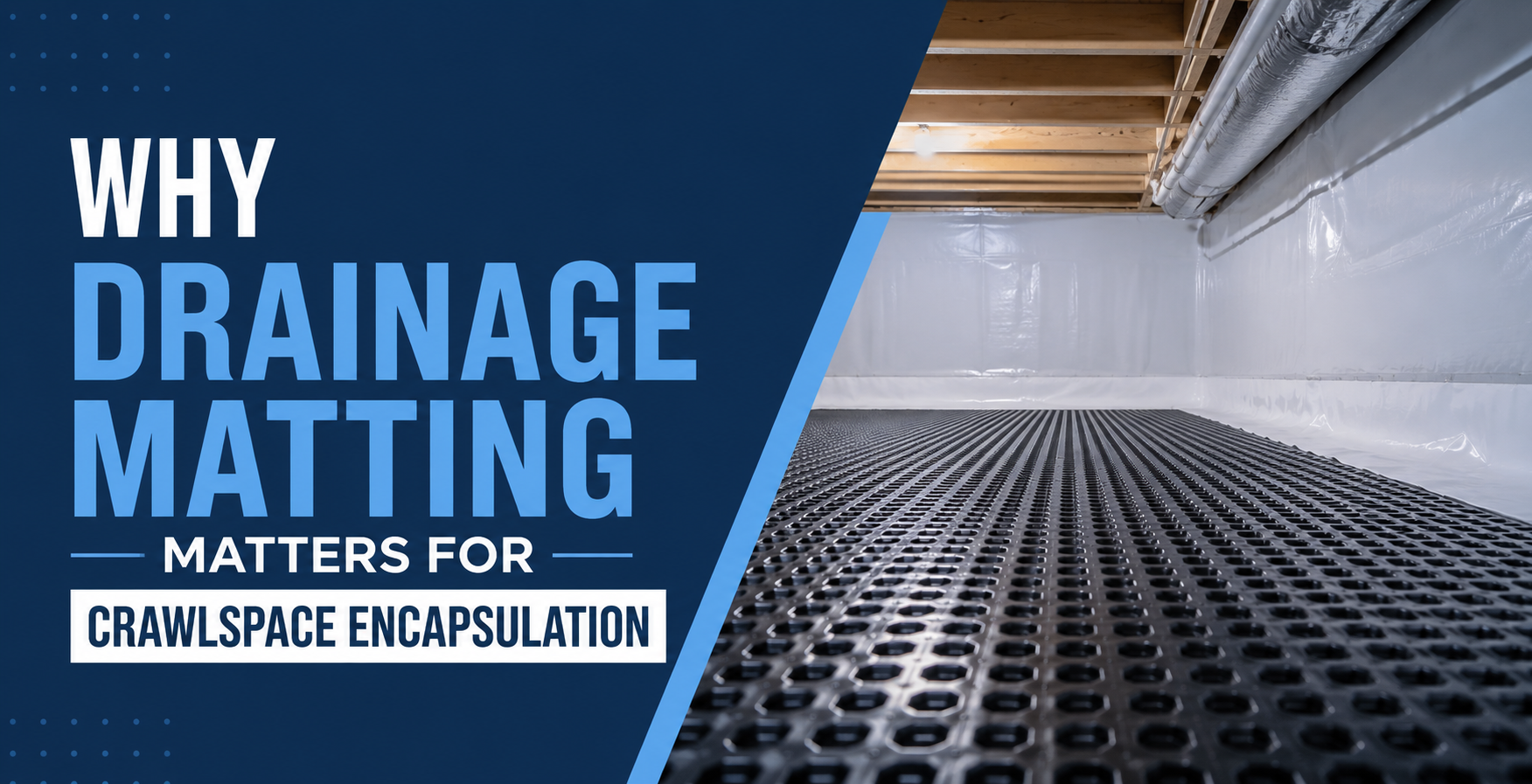
First, we fix the drainage problem. We're going to dig right up against that exposed footer. Then we backfill on top of it the way it should have been done during construction. We install a drainage system right next to the footer so we can catch water as it comes in. That drainage routes to a sump pump, and the sump pump pushes the water out and away from your crawl space.
This solves the standing water issue. No more water sitting on your footer. No more erosion. No more foundation settlement.
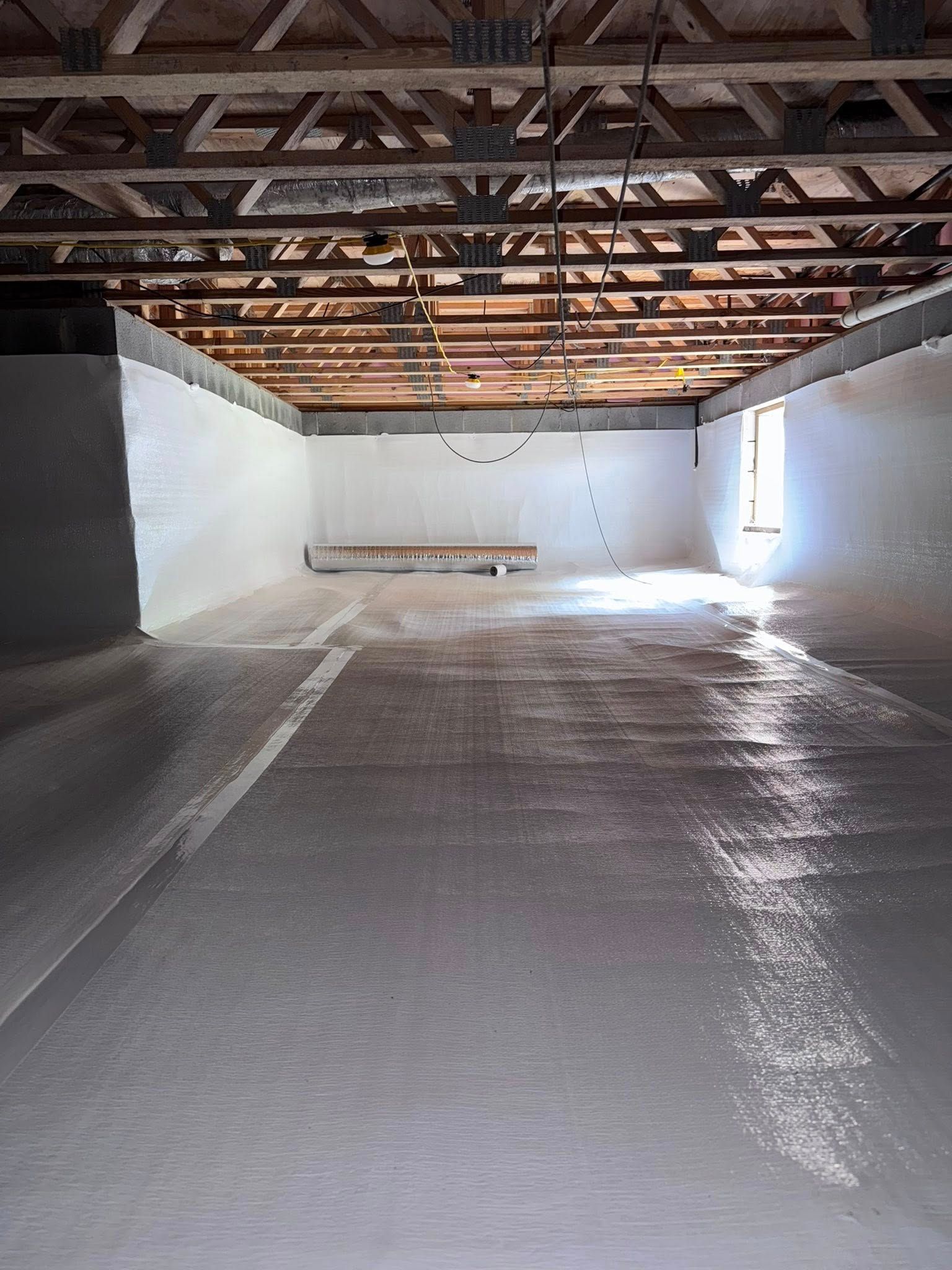
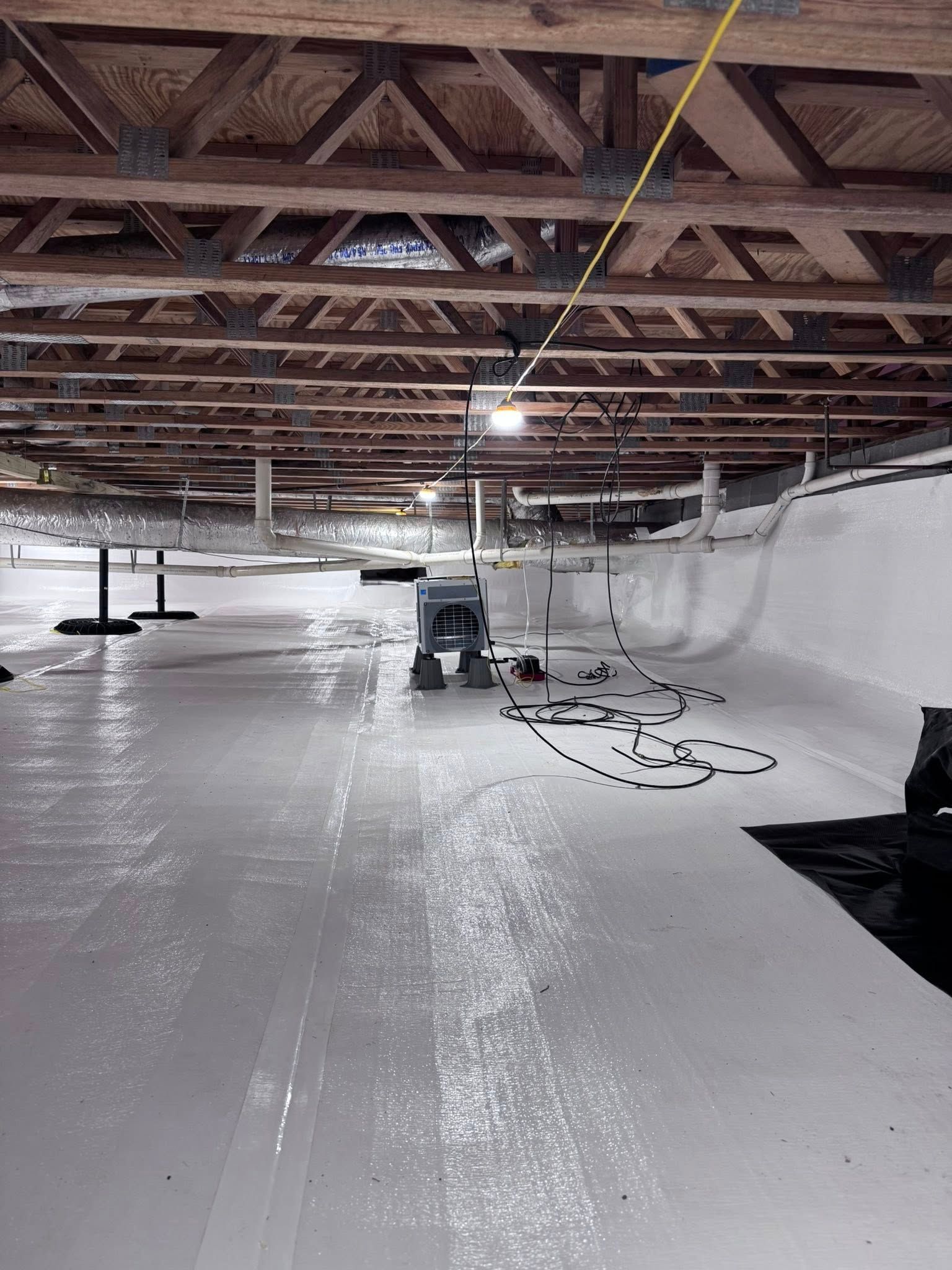
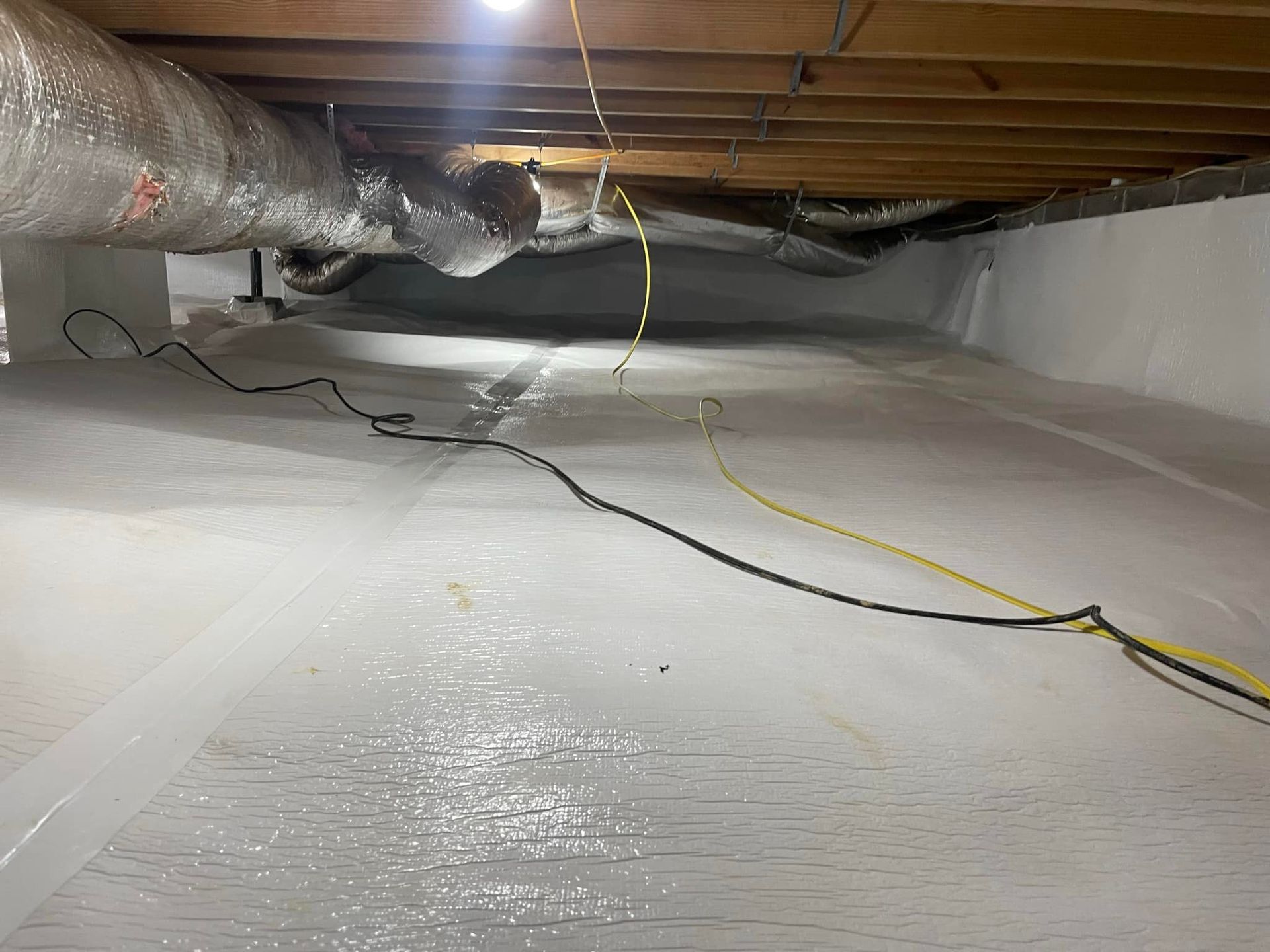
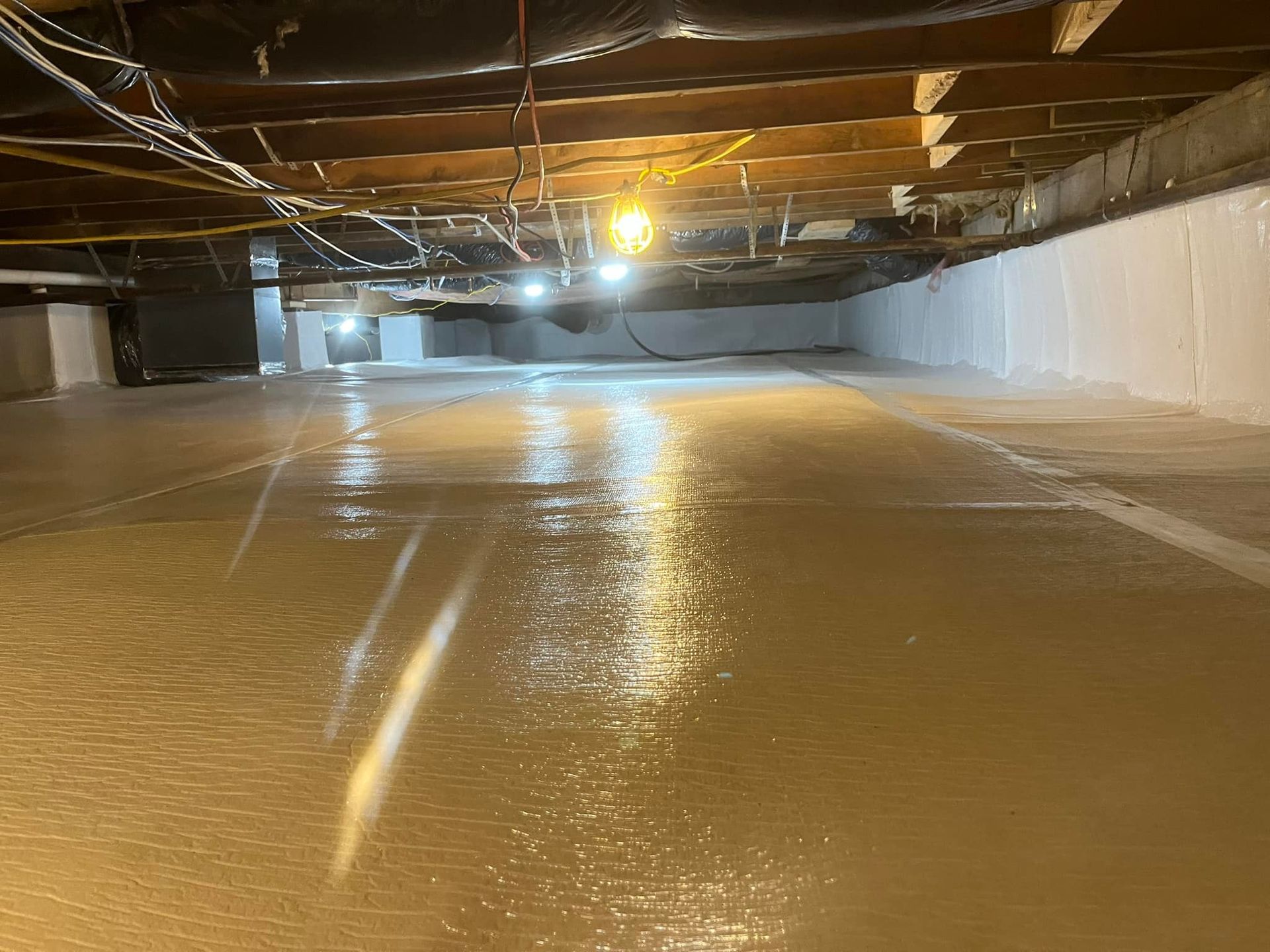
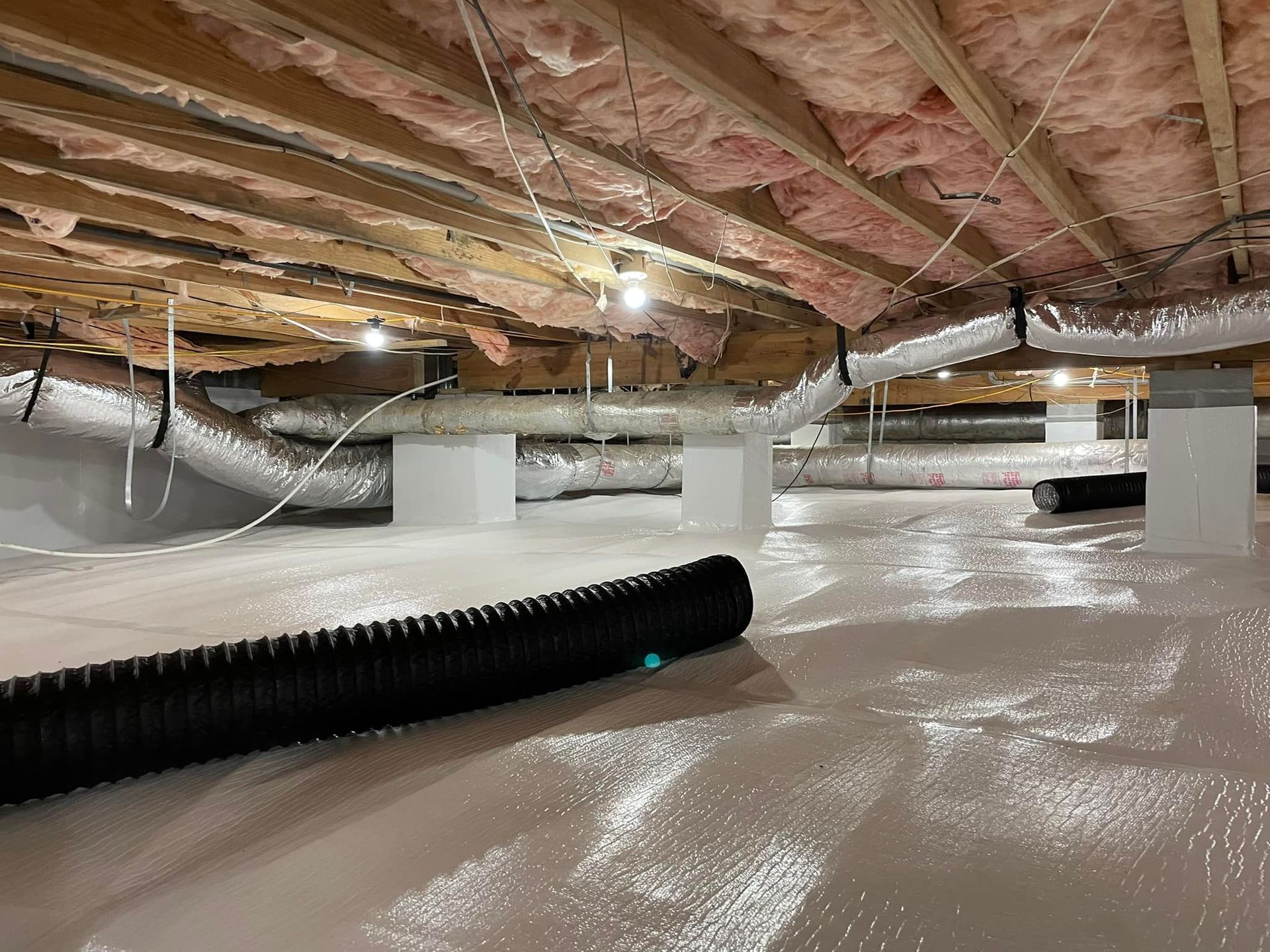
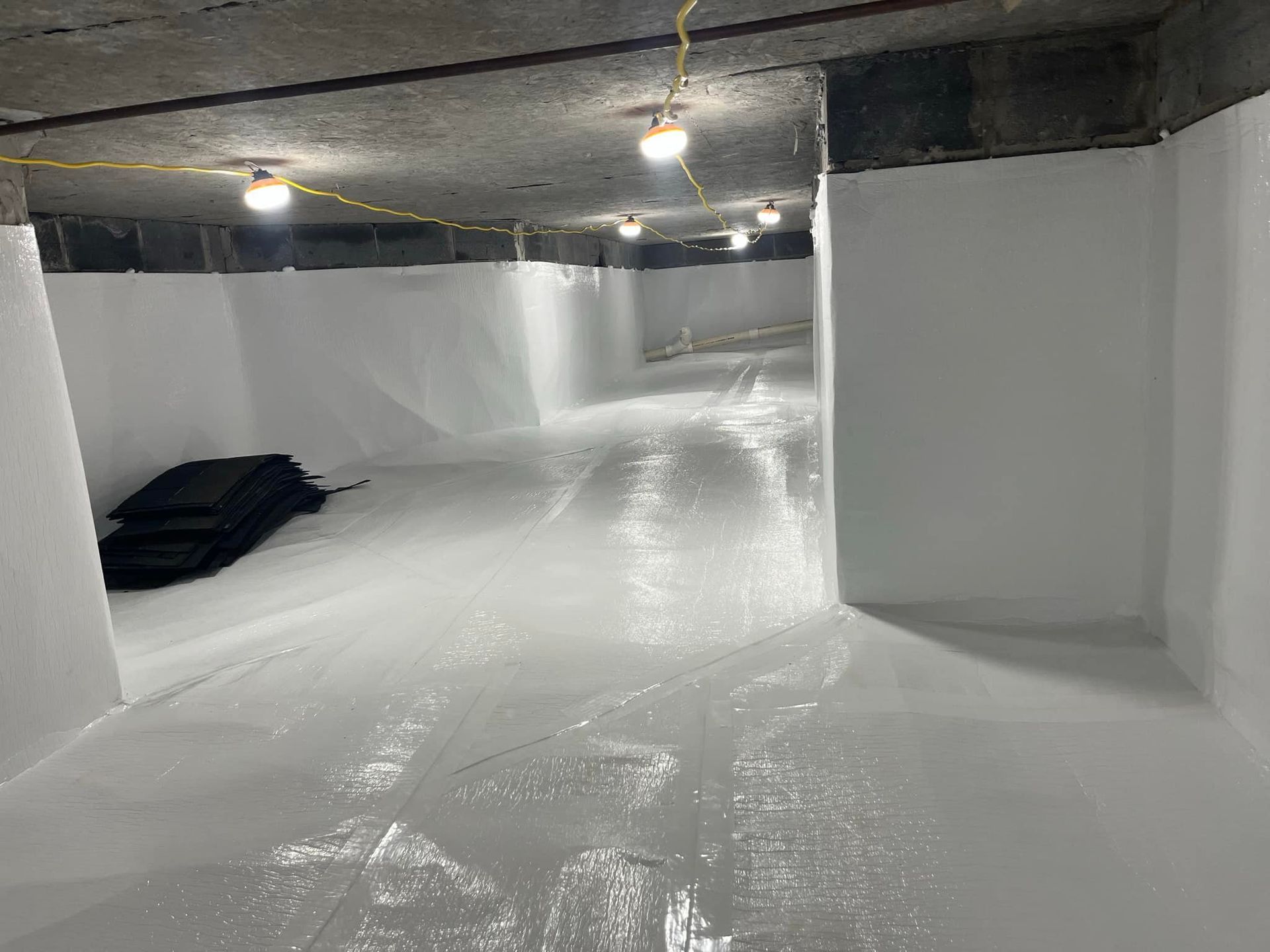
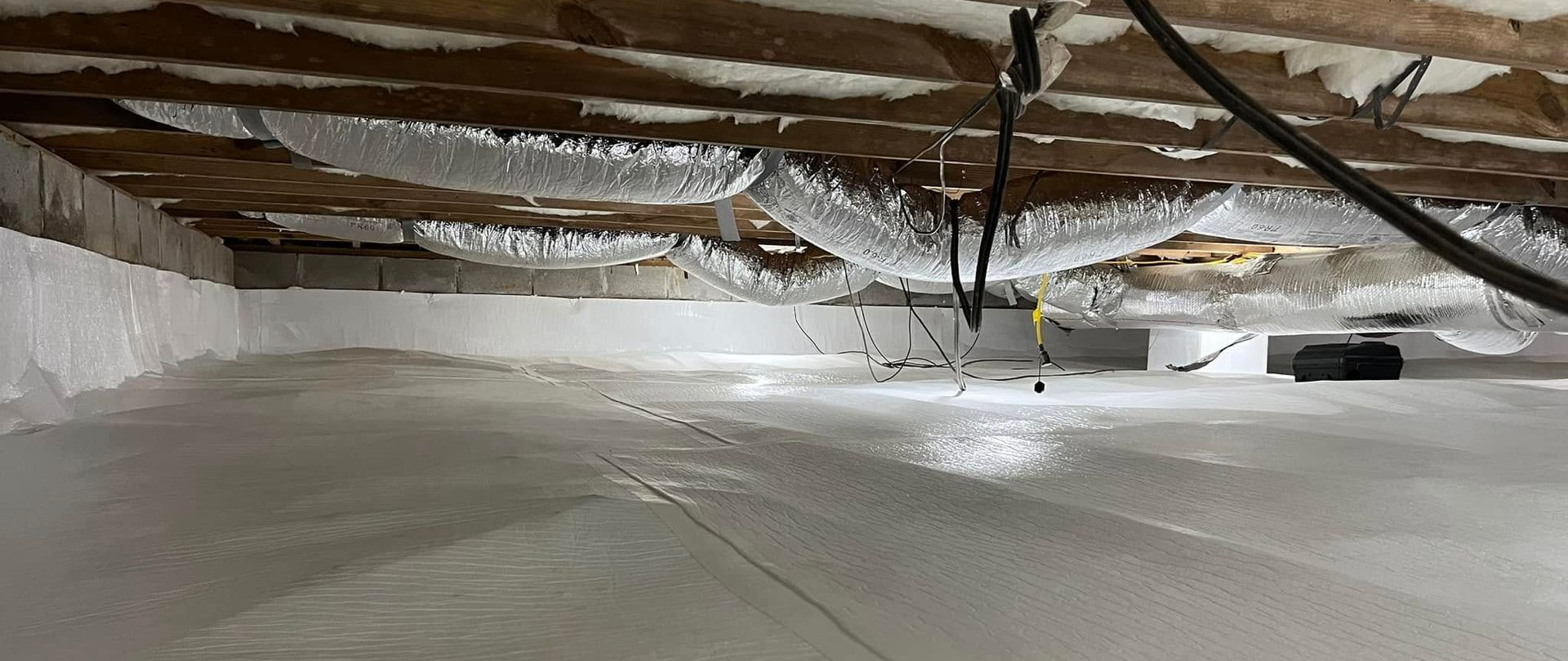
Second, we deal with the moisture. We pull out that deteriorating insulation. We treat the fungal growth. We encapsulate the crawl space with a proper vapor barrier and install a dehumidifier to control the humidity levels.
This solves the moisture damage that's already been done and prevents new moisture problems from starting.
Both solutions work together. The drainage system keeps new water from coming in. The encapsulation and dehumidifier deal with the moisture that's already caused damage.
Skip either one, and you're leaving your home vulnerable. It's like bailing water out of a leaking boat but never patching the hole. You need both fixes working together to actually solve the problem.
Next Steps
If you've got standing water in your crawl space, or if you're seeing any of those warning signs I mentioned, give us a call.
We'll come out and do a free inspection. I or one of my managers will be the one who shows up - not some sales guy from a call center. We'll get down in your crawl space, take pictures of what's going on, and explain exactly what you're dealing with.
No pressure. No games. Just straight talk about what your crawl space needs and what it'll cost to fix it right.
You can reach us at Forever Guard Waterproofing. We serve Maryville, Knoxville, and the surrounding areas in East Tennessee.
Your foundation is literally holding up your entire house. It's worth taking care of.