The Hidden Problem with Bad Crawlspace Doors
When a "Decent" Door Isn't Actually Decent
A small gap can invite moisture, pests, and long-term damage before you ever realize there’s an issue.
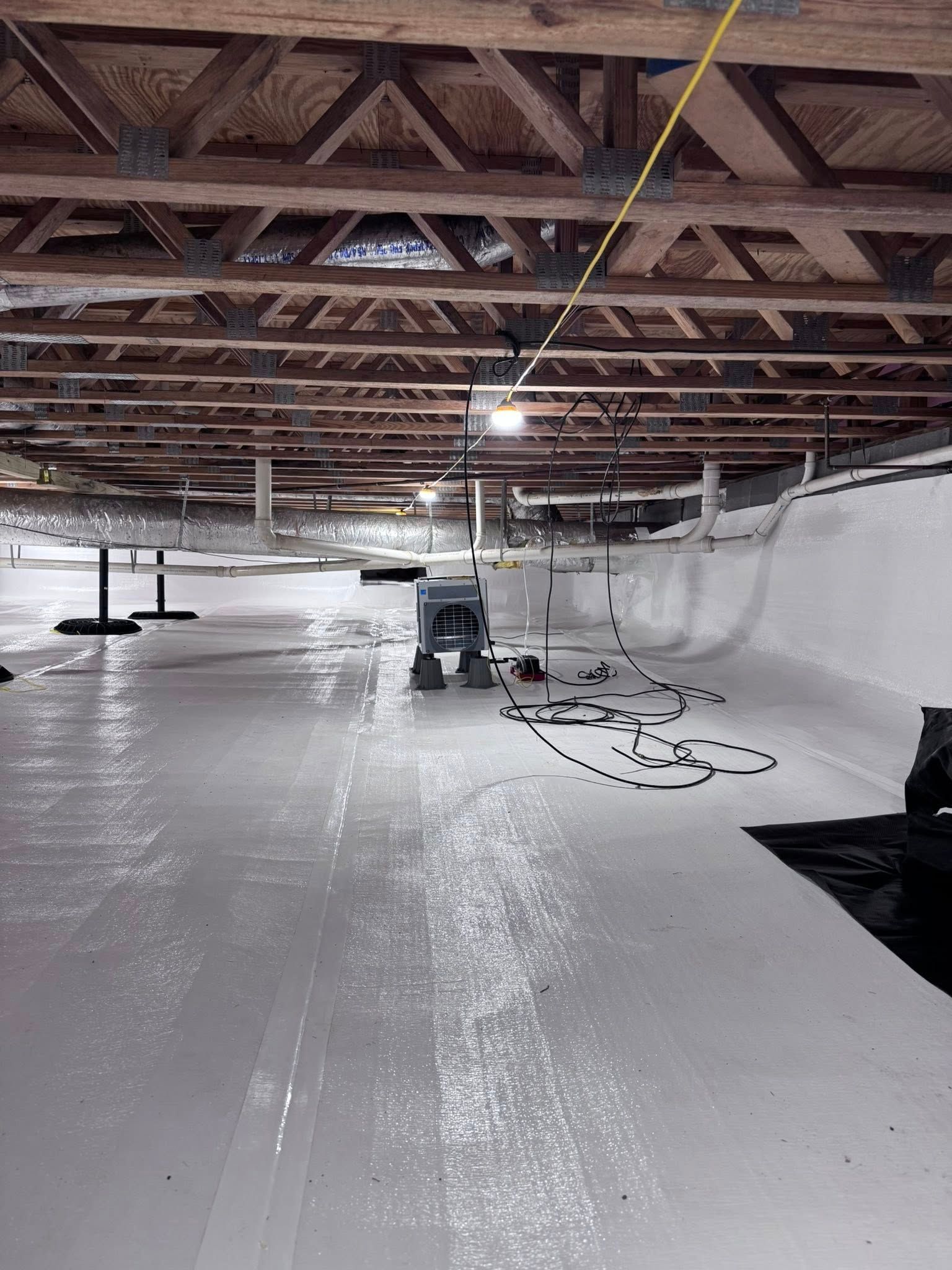
I was in Maryville recently doing an inspection—standing water in the crawlspace, fungal growth, insulation falling apart.
The usual signs of moisture winning for a while.
I was preparing a quote for drainage, a sump pump, and encapsulation when I took a closer look at the crawlspace door.
At first glance, it looked decent enough. But the more I looked, the worse it got.
There was a noticeable gap at the top—big enough for outside air to pour in.
Then I found critter droppings in the crawlspace. Something fairly large had been getting in.
Usually pests enter through HVAC penetrations or foundation openings, but this time, all signs pointed back to the door.
That “small” gap was more than enough for a raccoon or possum looking for a warm place.
If your crawlspace door looks fine at first glance, it’s worth taking a closer look.
Small issues like this can cause bigger problems long before you realize what’s happening.
The Obvious Problem: Air and Moisture
Let's start with what most people understand about crawlspace doors - they're supposed to keep outside air out.
That gap at the top of this door? All that humid outside air is coming right in through there. And here's what happens when humid air enters a crawlspace.
For every degree you cool air as it enters a crawlspace, the relative humidity rises 2.2%. At a certain point, it's going to condensate. That raises the wood moisture content. And then you've got fungal growth, rotting wood, all kinds of problems.
This is happening anytime it's spring, summer, or fall. Basically most of the year.
Your dehumidifier is down there trying to control the moisture. But if outside air is constantly pouring in through gaps in your door, that dehumidifier has to work way harder than it should. That costs you money in electricity every single month.
It's like trying to air condition your house with the windows open. You're just fighting a losing battle.
A proper crawlspace door should seal against the foundation. No gaps. When it's closed, outside air stays outside.
But here's the thing - the air and moisture issue is just the obvious problem. There's something else most people don't think about.
The Hidden Problem: Critters
So I'm down in this crawlspace and I see droppings. Pretty sizable droppings. Something's been living down here.
First thing I do is check the usual spots. Where the HVAC lines go through the foundation wall - that's a common entry point. The forklift holes in the foundation - critters can squeeze through those and get past the flashing.
But I'm looking at all these spots and nothing's jumping out at me. Then I go back to that door.
That gap at the top might not look like much to you. But if you're a raccoon, a possum, or even a cat looking for somewhere warm to hang out, that's plenty of room to squeeze through.
People don't think about this. They see a crawlspace door with a small gap and think, "Well, it's not perfect, but it's fine." Meanwhile, you've got wildlife setting up shop under your house.
And once critters get in there, you've got a whole new set of problems. They tear up insulation for nesting material. They leave droppings and urine everywhere. Some of them die down there. It's not pretty.
Plus, critters bring moisture issues too. They're living creatures - they're adding humidity to the space just by being there.
So now this homeowner's dealing with standing water, fungal growth, deteriorating insulation, AND critters. All because nobody thought that gap in the door was a big deal.
Why People Overlook the Door
Here's what I see all the time.
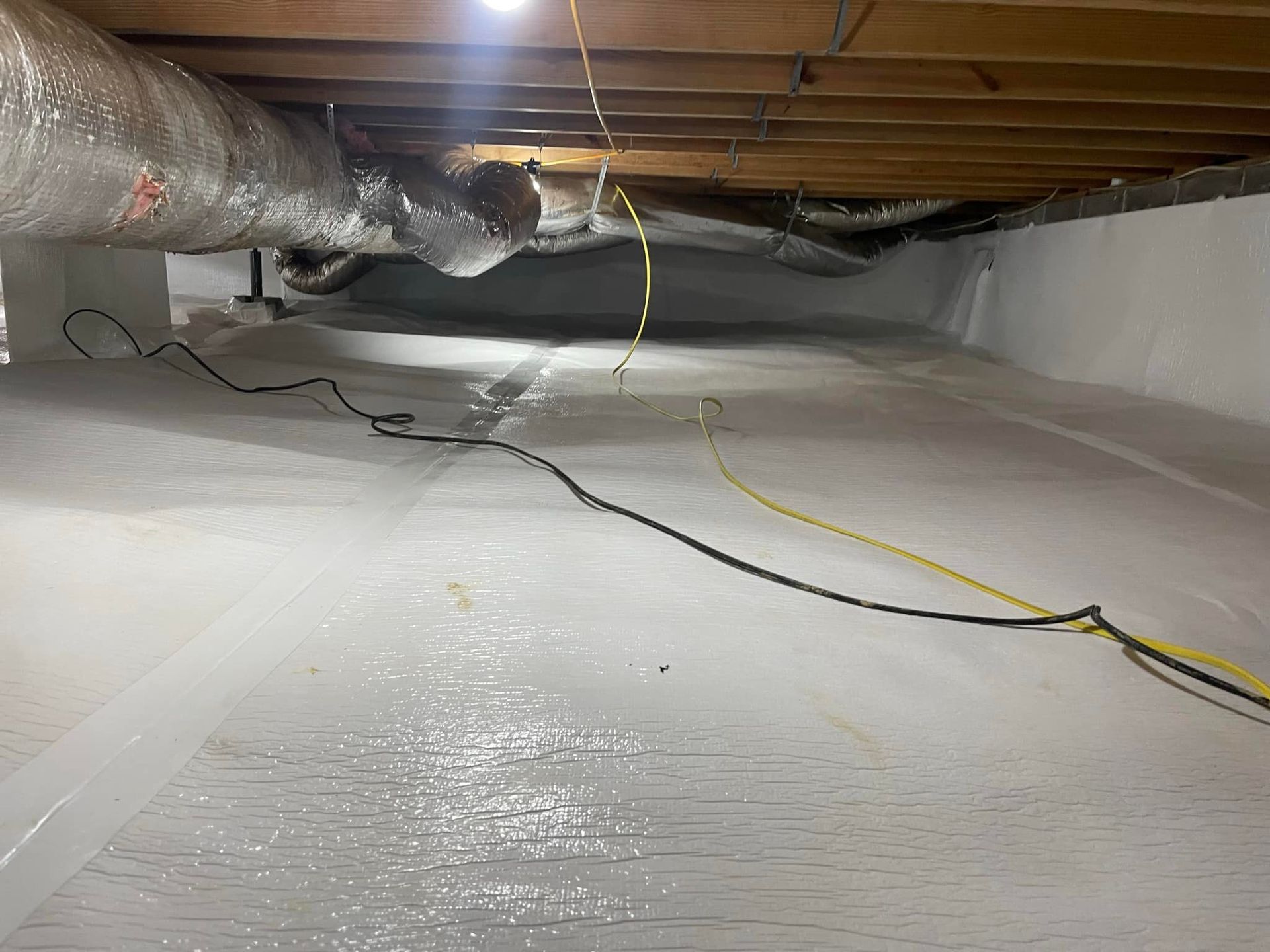
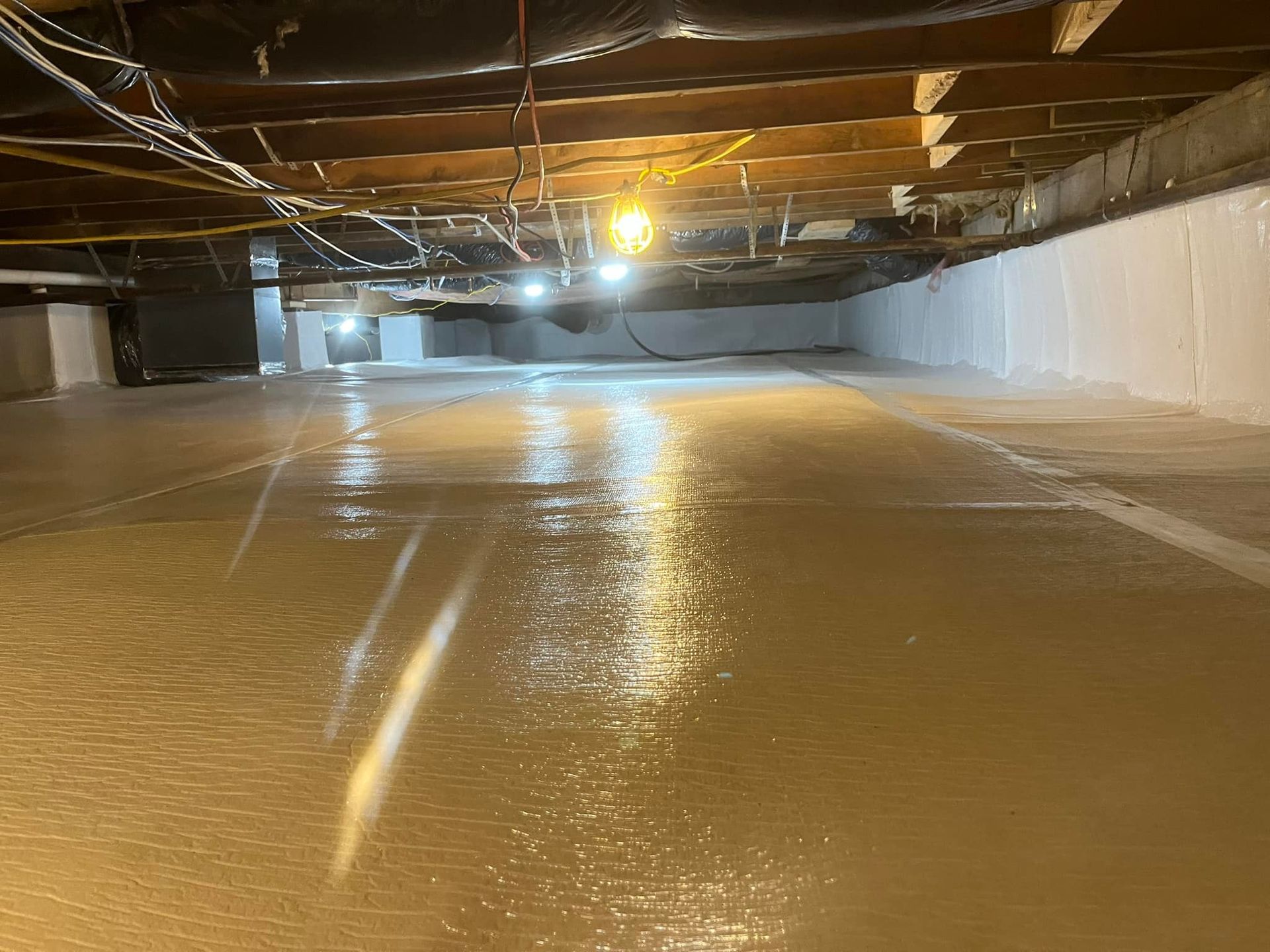
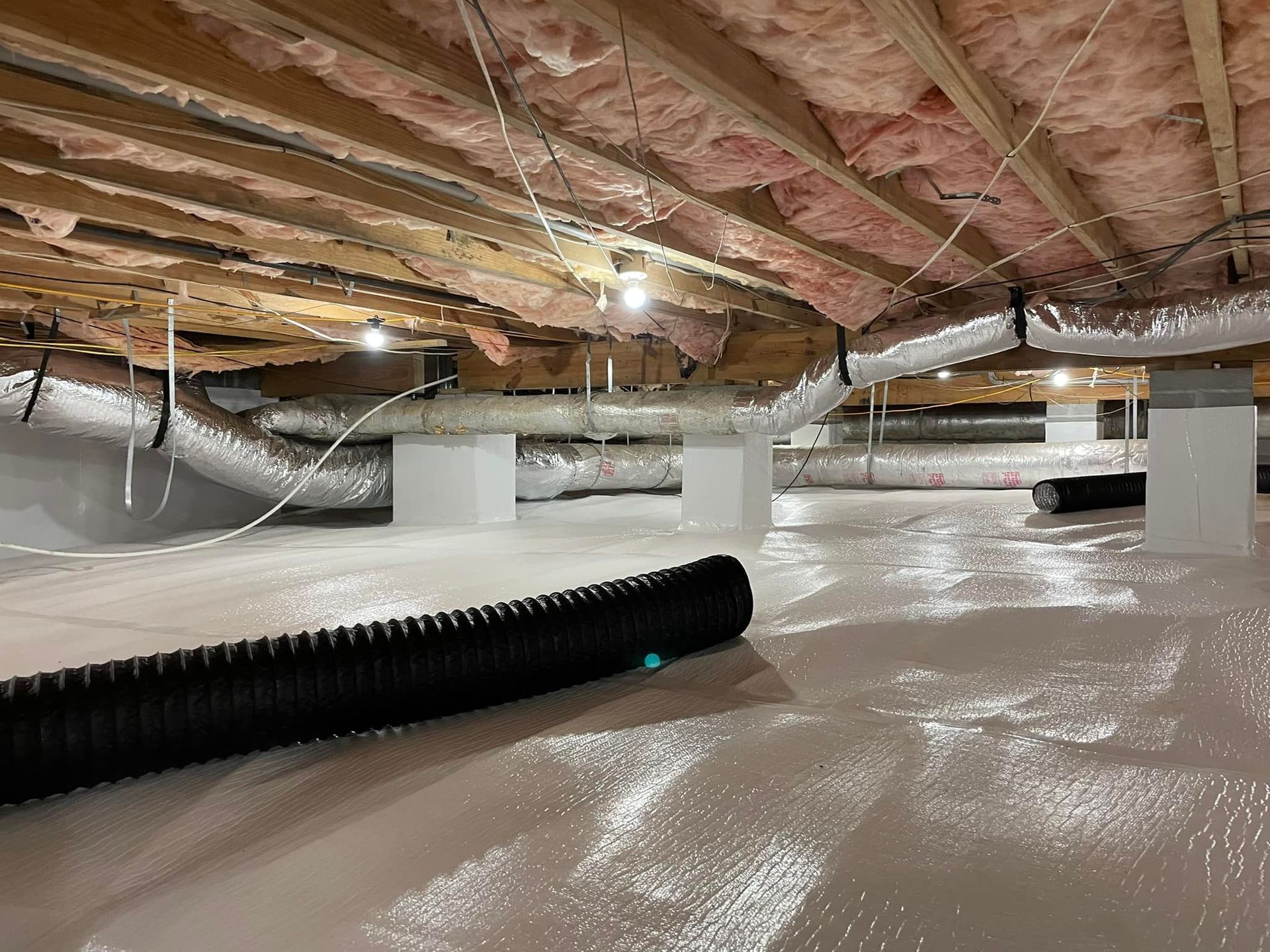
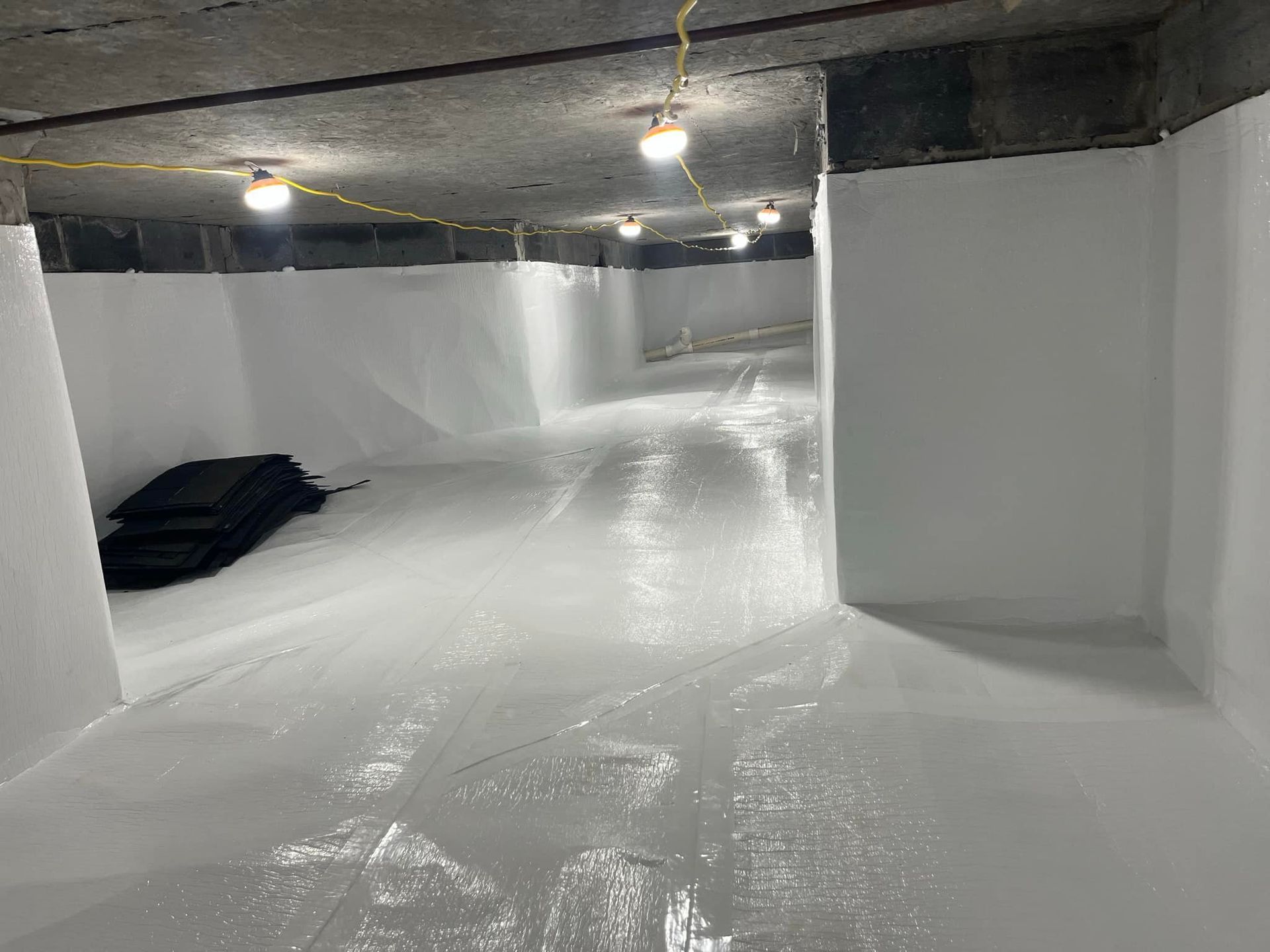
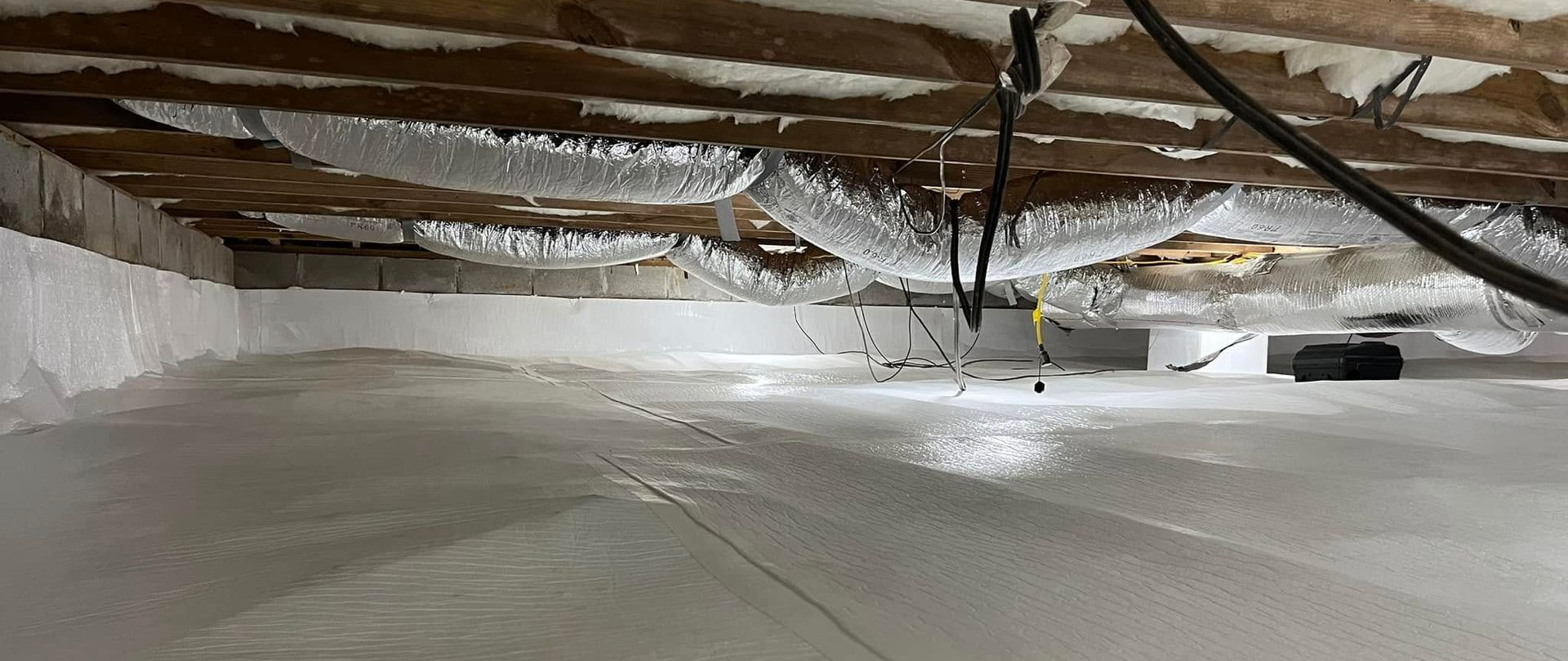
Homeowners will spend thousands of dollars on crawlspace work. Full encapsulation. Drainage system. Sump pump. Dehumidifier. Quality vapor barrier. The whole nine yards.
Then they've got a door that's falling apart with gaps you could fit your hand through. And nobody thinks twice about it.
It's like installing a top-notch security system on your house, then leaving your back door propped open. What's the point?
The crawlspace door isn't just some random piece of wood or metal. It's part of your moisture control system. Every bit of humid air that gets in through those gaps is humidity your dehumidifier has to remove. Every critter that squeezes through is another problem you have to deal with.
I get why it happens. The door seems like a small detail. People focus on the big stuff - the encapsulation, the equipment. The door's just kind of there.
But a bad door can undermine all that other work. We can install the best encapsulation in the world, but if your door doesn't seal properly, we're fighting an uphill battle the whole time.
What a Proper Crawlspace Door Should Have
A good crawlspace door isn't complicated. But it does need a few key things.
First, proper framing. The door needs to fit the opening correctly with no gaps. That means the frame itself is square and solid, not rotted or falling apart.
Weather stripping around the edges. This creates an actual seal when the door closes. Not just wood or metal pressed against concrete - an actual seal that keeps air and critters out.
Latches that work. I see so many doors where the latches are rusted, broken, or just don't hold the door tight anymore. If your door doesn't latch properly, it's not sealing properly.
And it needs to be made from materials that last. Some doors are wood that rots out in a few years. Some are thin metal that rusts and deteriorates. A quality door is an investment, but it's one that pays off.
When we rebuild a crawlspace door, we reframe it out if needed. Add proper weather stripping. Install good latches. Make sure it actually seals against the foundation.
It's not fancy work. But it makes all the difference.
Don't Let a Bad Door Undermine Your Crawlspace
If your crawlspace door has visible gaps, isn't closing properly, or you've got evidence of critters getting in, it's worth getting it checked out.
We inspect crawlspace doors as part of any quote we do. We'll let you know honestly if it needs work or if it's fine.
Because fixing a door now is a whole lot easier than dealing with years of moisture damage and wildlife problems later.