Water in Your Crawl Space: How It Gets There and What to Do About It
Understanding Water Problems Before They Damage Your Home
The most common water issues and how to stop them
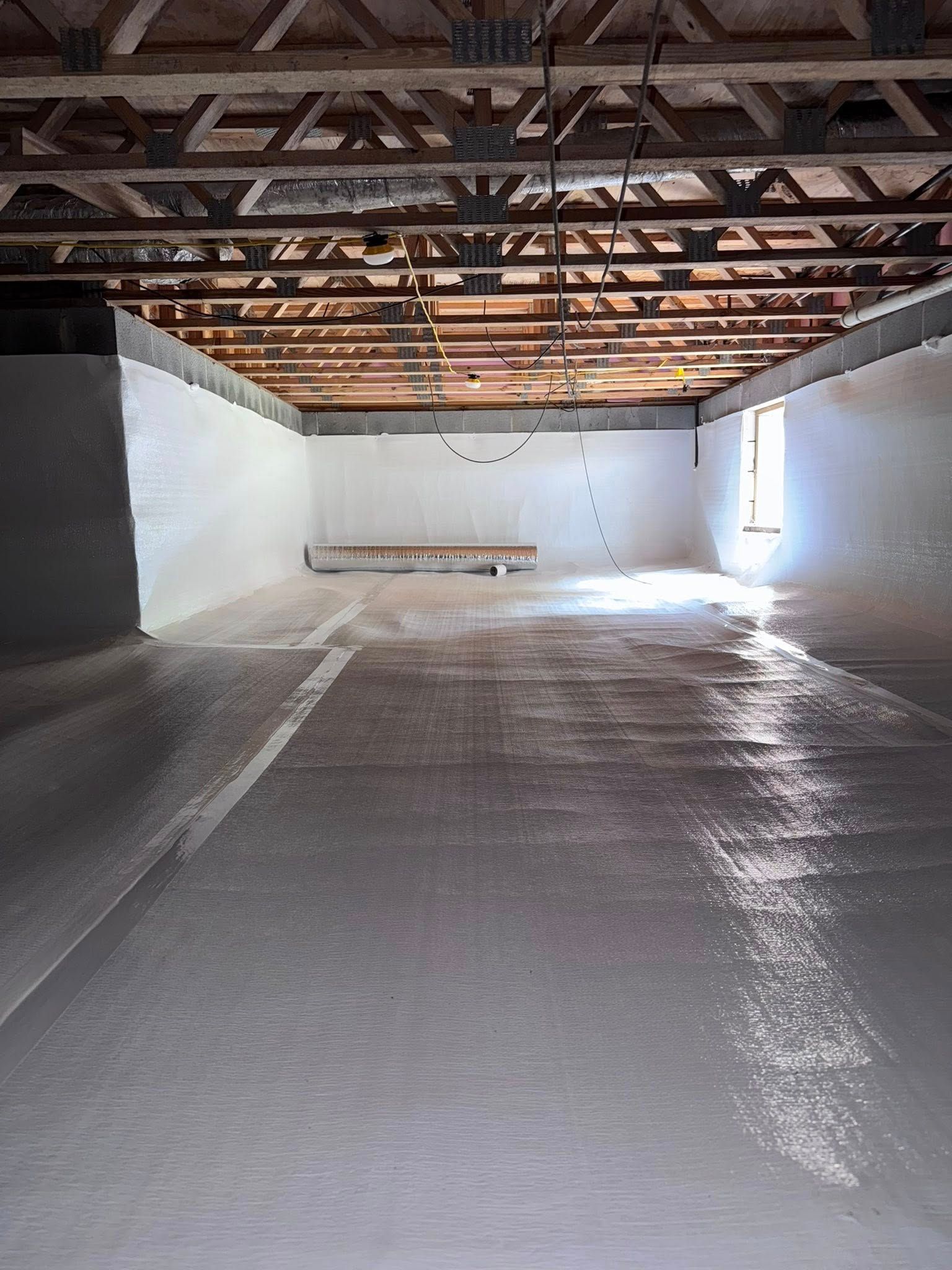
I was out in Maryville yesterday looking at a crawl space with a water problem.
Not a massive flood or anything dramatic - just water trickling from the front of the house, making its way to the back, and pooling in the low spots.
This is how most crawl space water issues start.
Not with a burst pipe or a major storm, but with a slow trickle that homeowners don't even know is there.
The water follows the path of least resistance, finding weak points in your foundation and settling wherever gravity takes it.
Understanding how water moves through your crawl space is the first step to stopping it.
Because once you know where it's coming from and where it's going, you can actually do something about it.
How Water Finds Its Way Inside
Water is persistent. It's always looking for a way into your crawl space, and it usually finds one. Here's what I see most often:
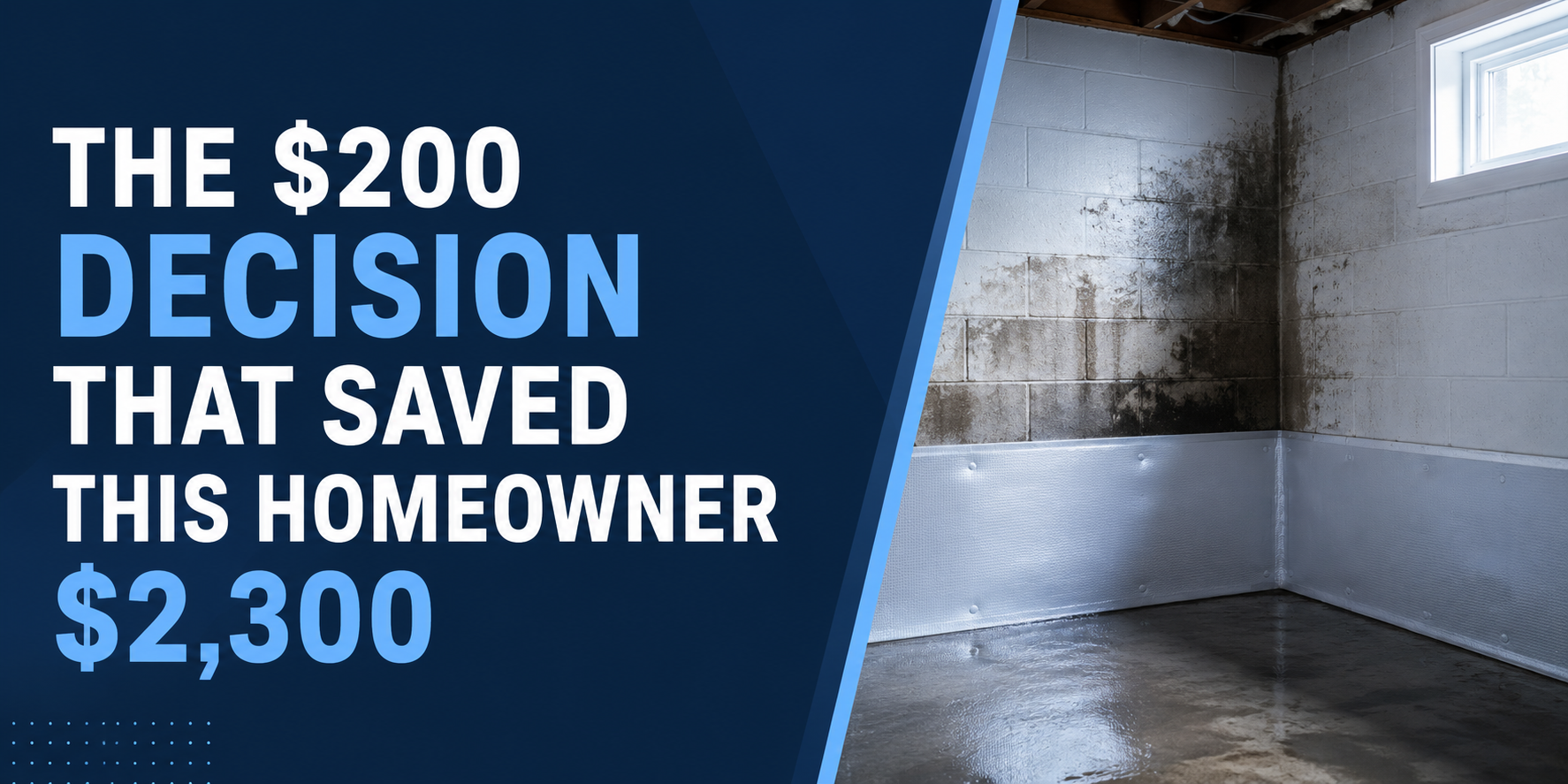
Foundation walls aren't completely waterproof. When soil around your home gets saturated, water pushes through the concrete or block, leaving those telltale marks you see running down the walls.
Step footers create natural weak points. If your home is built on a slope, your foundation probably has steps in it - some sections deeper than others. Those shallower sections don't have as much protection, so water pushes through more easily there.
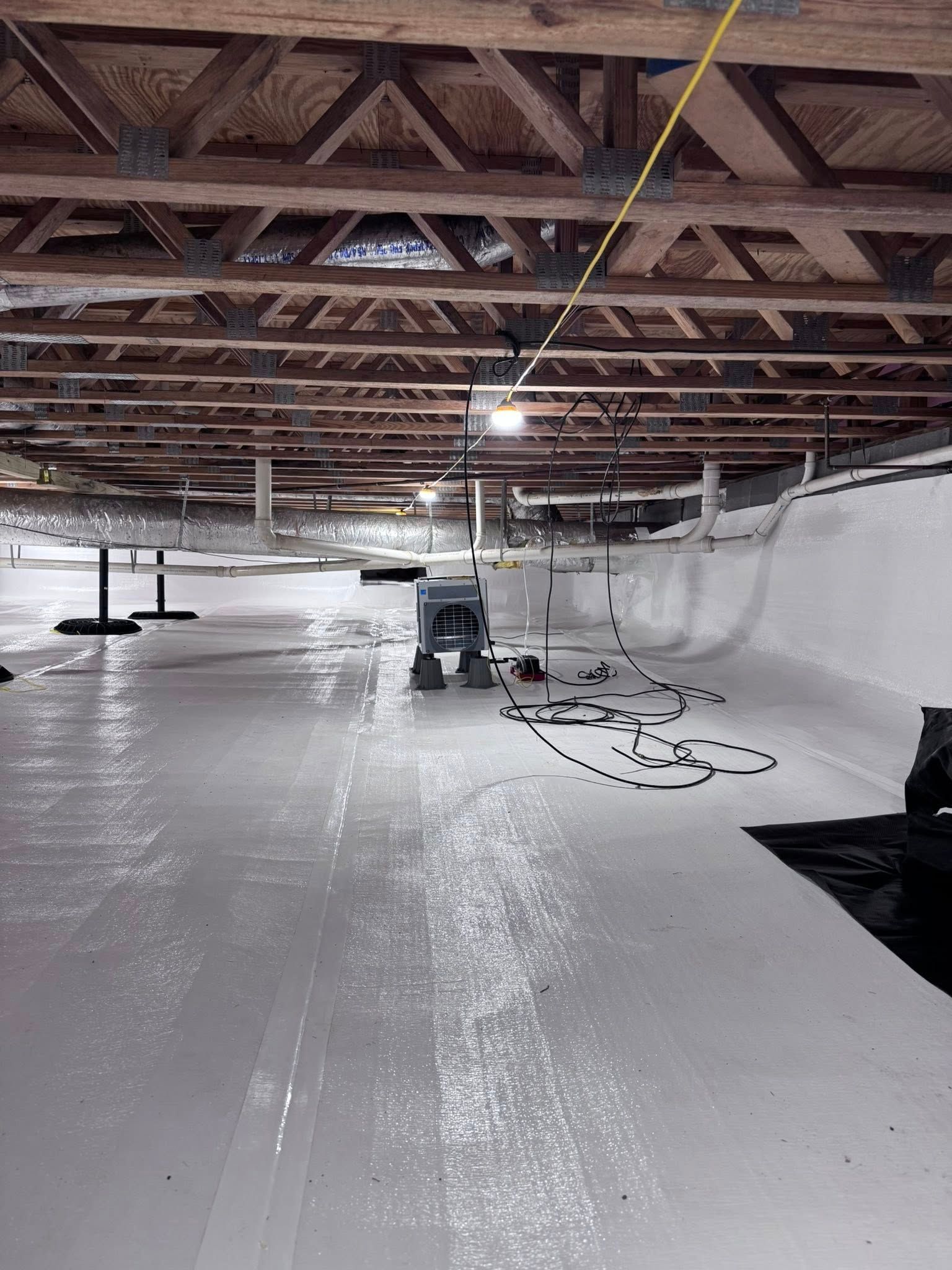
Once water gets in, it flows downhill. Just like water in your yard, crawl space water follows the grade. It moves from high points to low points, collecting in puddles on top of your vapor barrier or soaking into exposed dirt.
In this Maryville crawl space, I could trace the whole path - water coming through the front foundation wall, flowing toward the back where the ground slopes down, and pooling in the lowest corner.
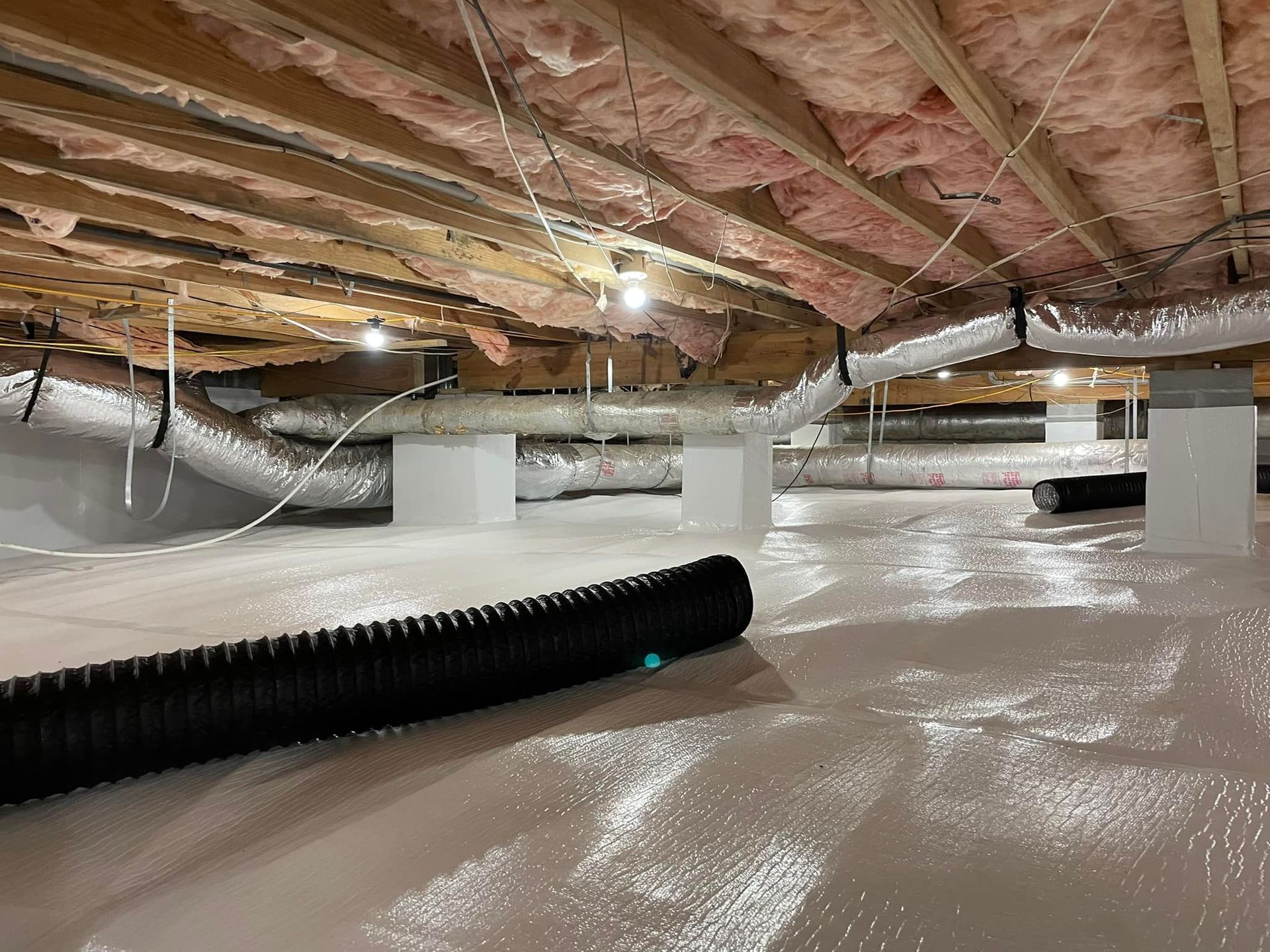
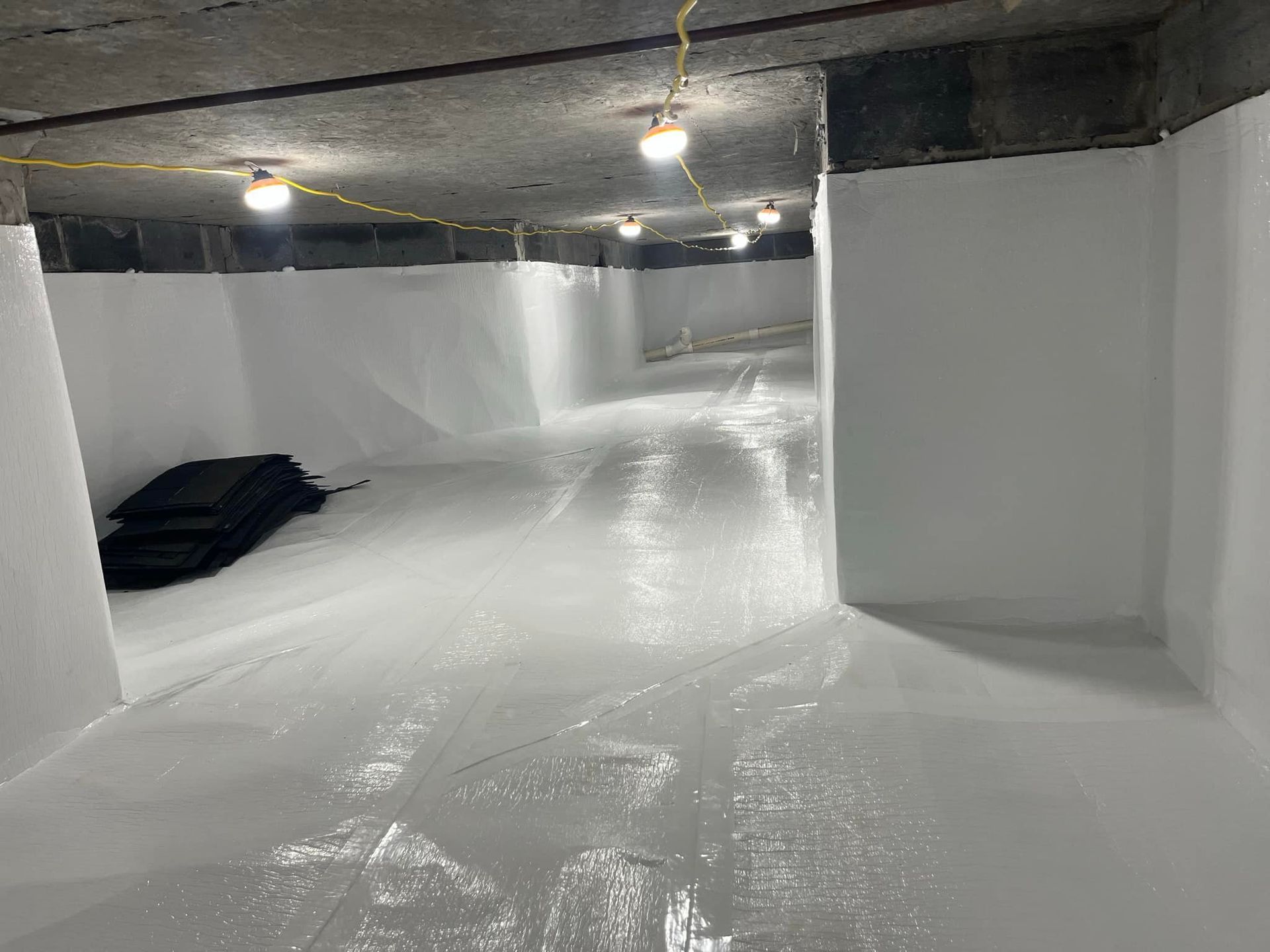
The Hidden Damage You're Not Seeing
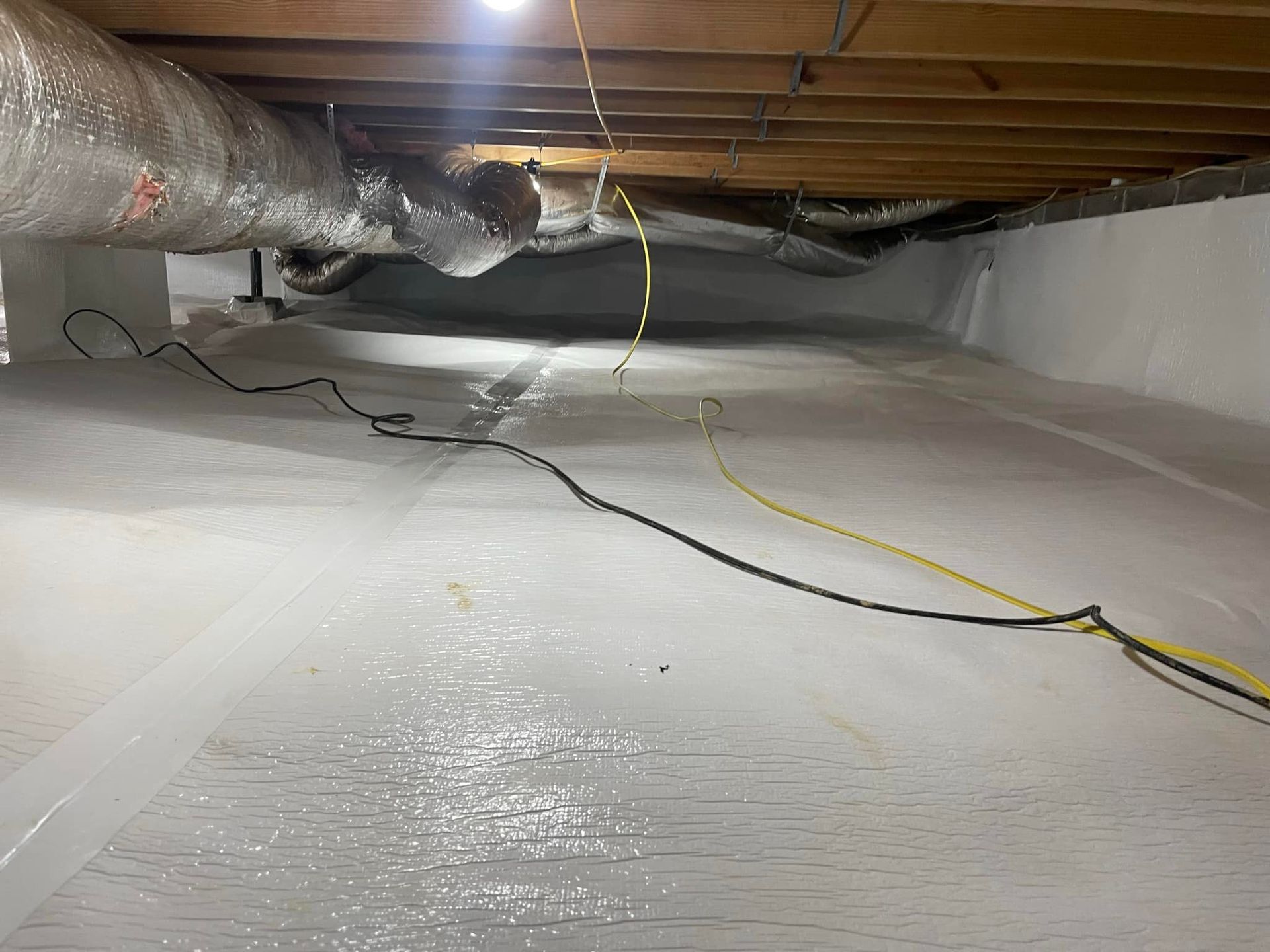
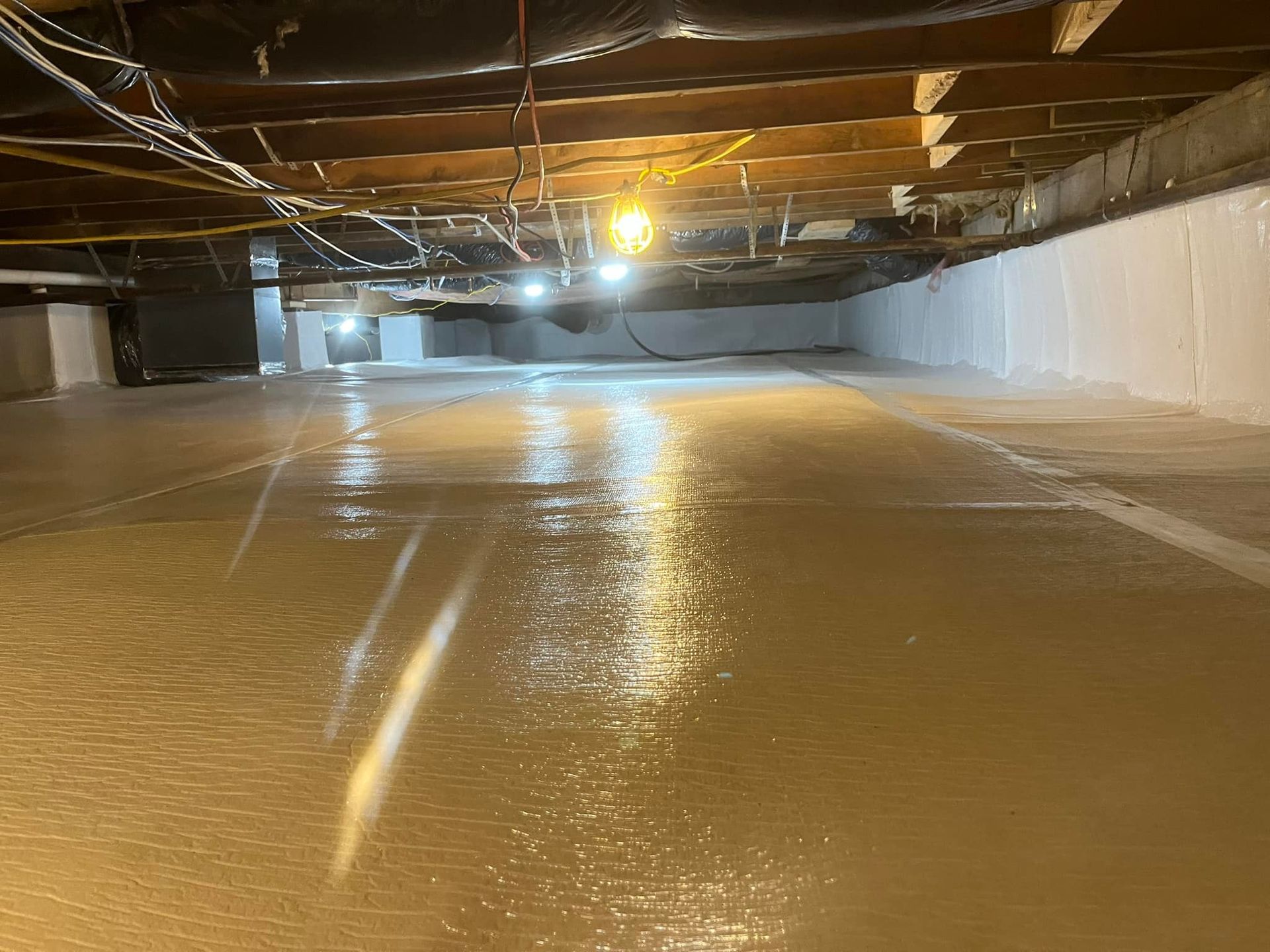
Here's the problem with crawl space water - by the time you notice it, it's usually been there for a while. Those water marks on the foundation walls don't show up after one rain. They build up over weeks or months of water pushing through.
And while that water sits in your crawl space, it's doing damage. Your vapor barrier starts failing. Moisture gets into the wood. The air quality in your home changes because what's happening under your house affects what's happening inside it.
The longer water sits, the more problems it creates. What starts as a small leak becomes a bigger issue that costs more to fix.
It's Not Just Water You Need to Worry About
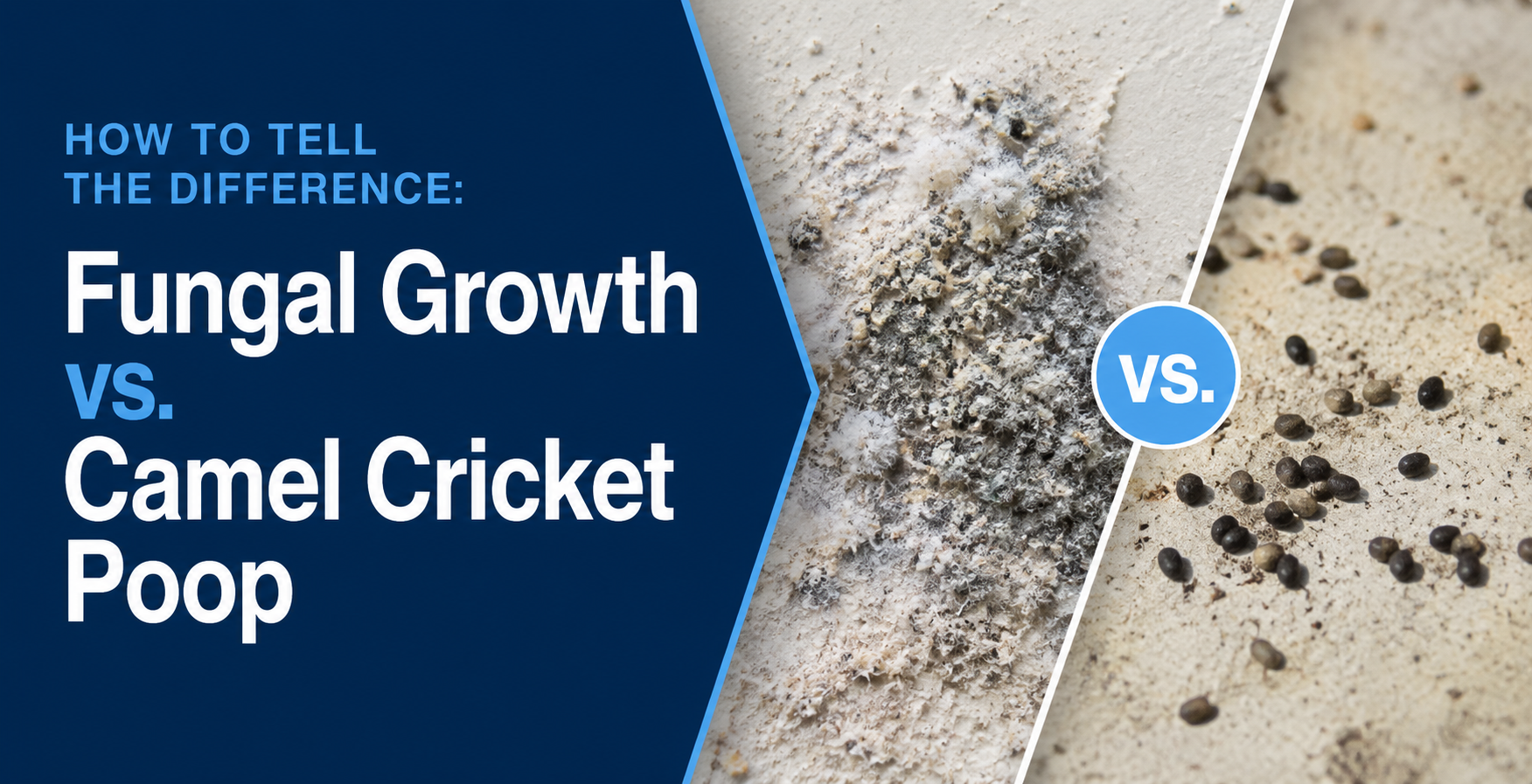
One thing that surprised the homeowner in Maryville - they had animals living under their house. Found clear evidence of it during the inspection. Droppings, damaged insulation, torn ductwork.
This happens more often than you'd think. Animals find their way into crawl spaces looking for shelter. Once they're in, they cause all kinds of damage. They tear up insulation to make nests. They chew through vapor barriers and ductwork. They leave waste that creates health concerns.
Most homeowners have no idea this is happening. They might hear something occasionally, but they don't connect it to their crawl space. Meanwhile, the damage keeps adding up.
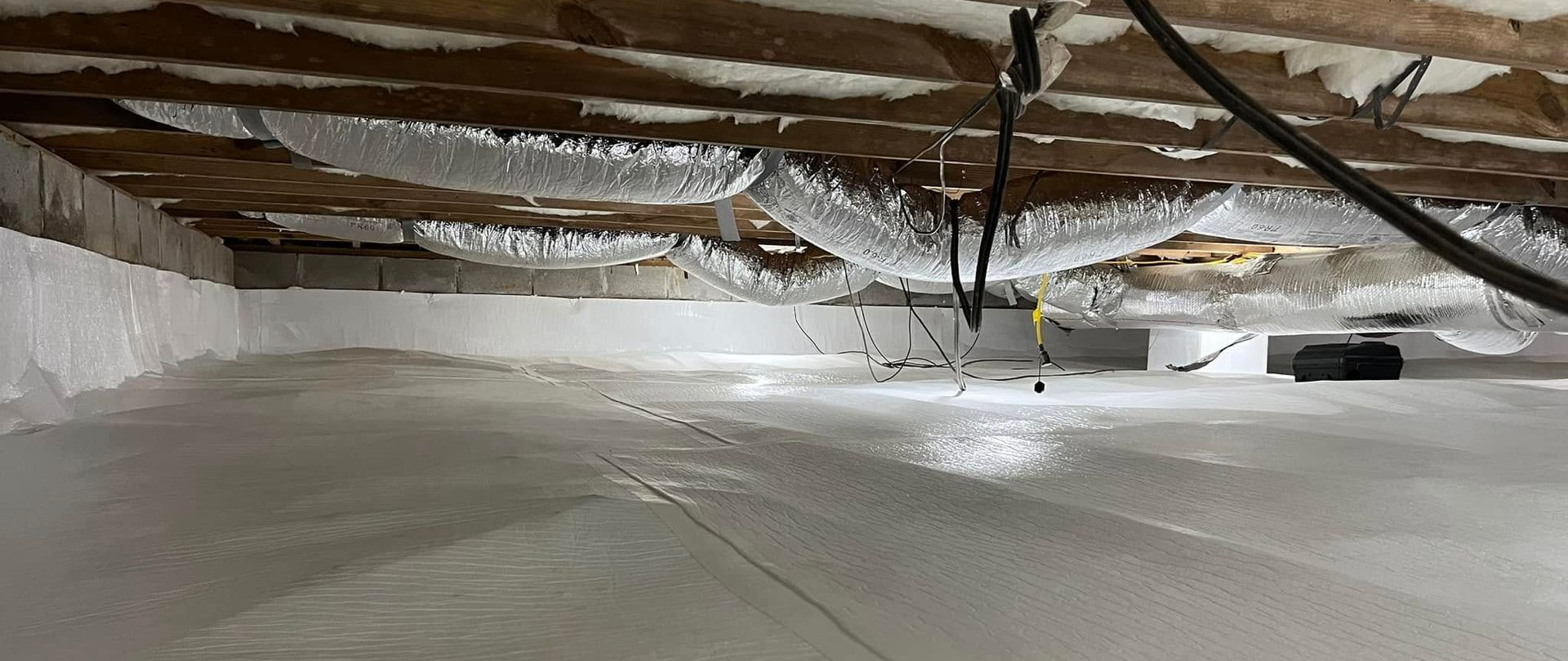
Simple Steps to Protect Your Crawl Space
Look, I get it. Your crawl space isn't exactly inviting. But checking it twice a year can save you thousands in repairs.
Here's what to look for:
- Water marks on your foundation walls
- Puddles or damp spots on your vapor barrier
- Torn or damaged insulation
- Signs of animals - droppings, nesting materials, damage to ducts
- Musty smells that weren't there before
You don't need to be an expert to spot these things. If you see any of them, that's your sign to call someone who can assess the situation and tell you what needs attention.
Don't wait until you're dealing with major damage. Catch problems early when they're still manageable.
Get a Professional Assessment
If you're not comfortable going under your house - and most people aren't - that's what we're here for. A professional crawl space inspection gives you a complete picture of what's happening down there.
We'll check every corner, take photos and videos, and show you exactly what we find. Water issues, structural concerns, insulation problems, signs of animals - whatever's going on, you'll know about it.
Then we'll give you honest recommendations about what needs attention and what can wait. No pressure, no games. Just straight information so you can make the best decision for your home.
Don't let small problems become expensive repairs. Give us a call and we'll help you understand what's really happening under your house.