Hidden Mold Risks in Older Home Ductwork
A Common Problem in Older Crawlspaces
Failing duct insulation in older homes is easy to overlook—but it can impact comfort, efficiency, and health
I was out in Alcoa today doing a crawlspace inspection, and I found something I see way too often in older homes.
The customer had called me out because they were having some foundation issues.
Another company - one of those big billboard companies - had already been out to install helical piers.
But they didn't lift the foundation, so the gap was still about a quarter inch.
And they put the piers on a corner without wrapping around it, which means that whole section isn't getting proper support.
But that's not what I want to talk about today.
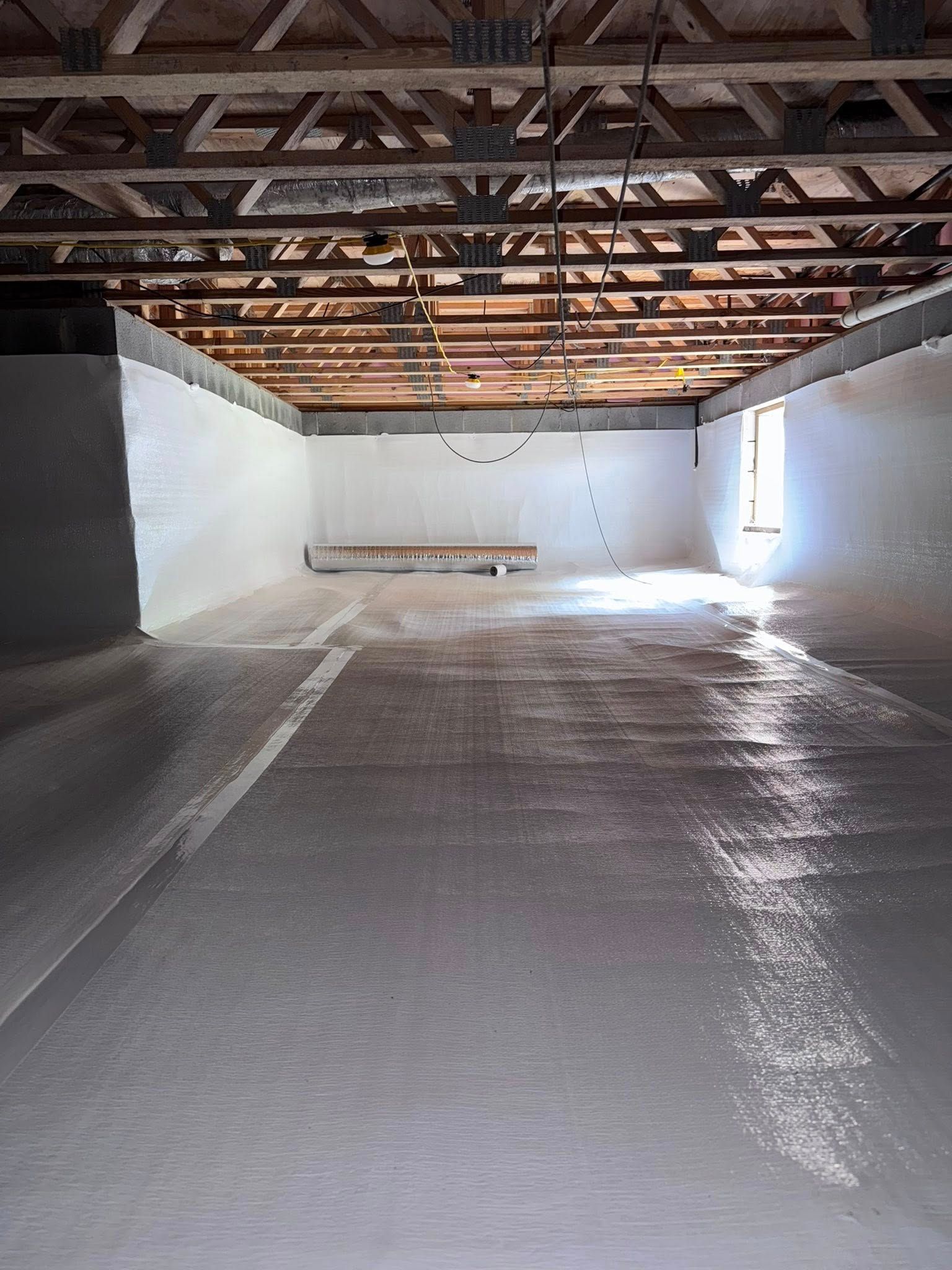
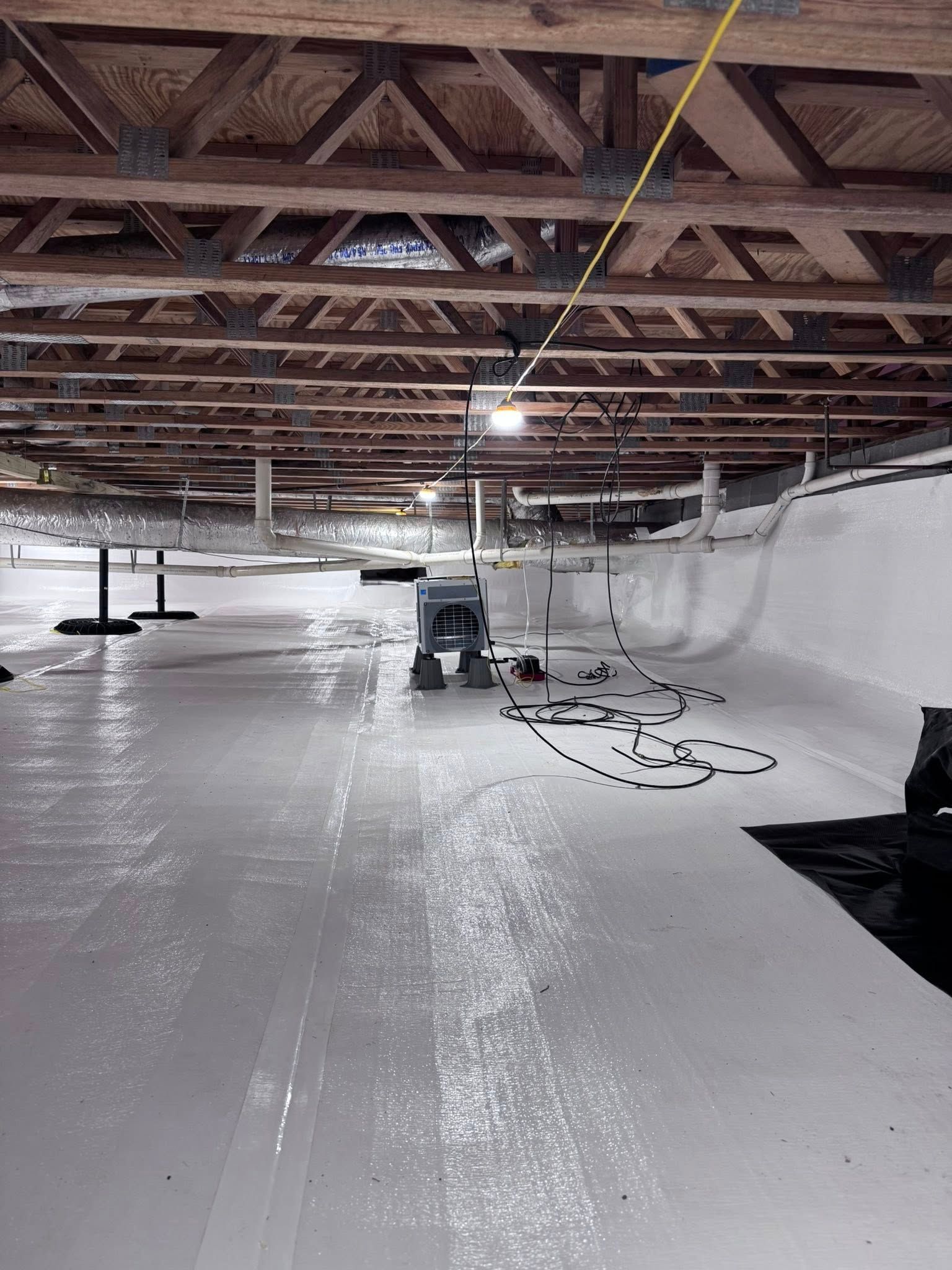
While I was down there looking around, I noticed the ductwork.
It had that paper-backed insulation you see in homes from the sixties and seventies.
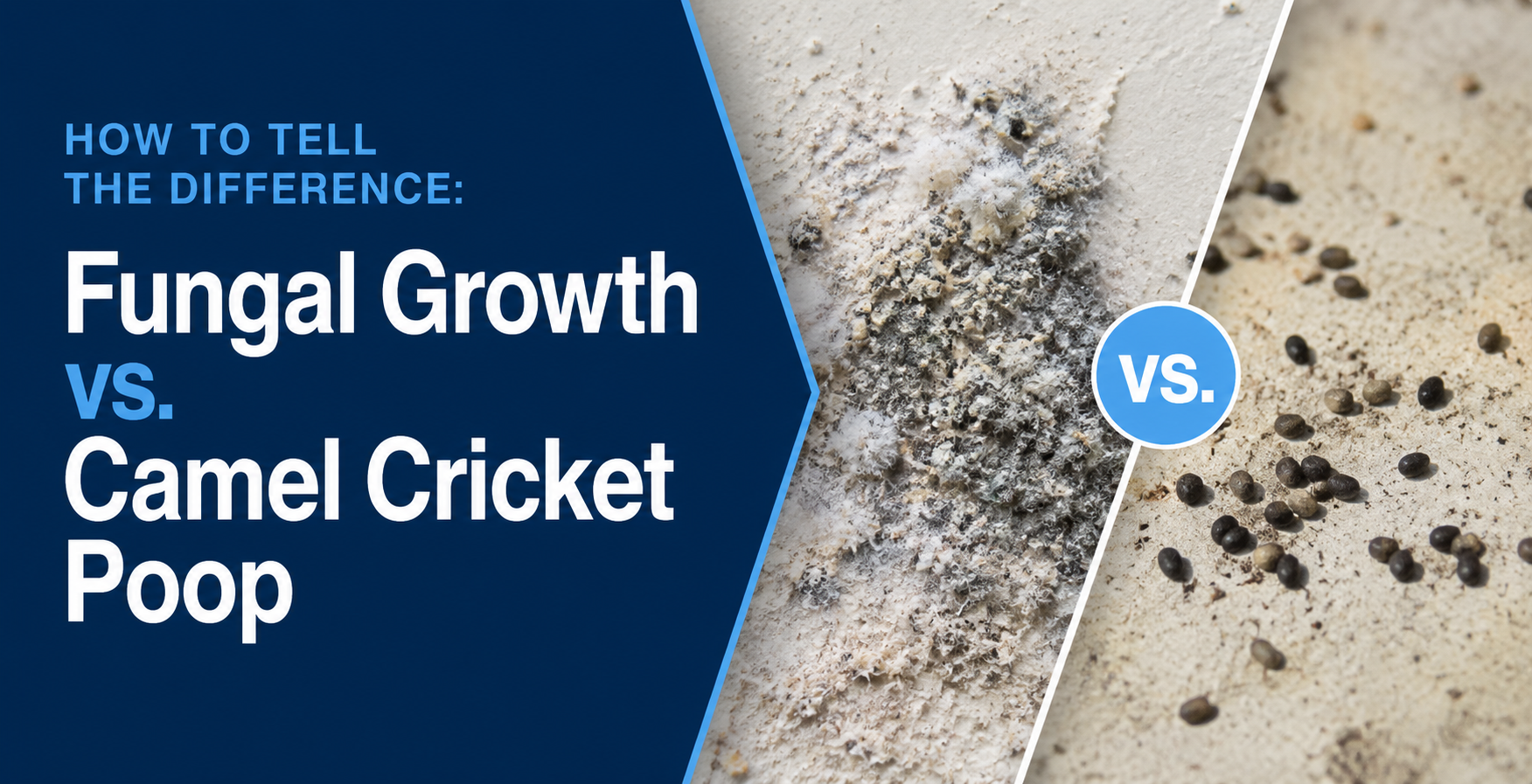
And it was covered in fungal growth. Deteriorating. Falling apart.
This is one of those problems most homeowners don't even know to look for.
You're not crawling around under your house checking your ducts.
But if you've got an older home, this could be happening right now without you knowing it.
And it's worth checking out.
The Problem with Paper-Backed Duct Insulation
Back in the sixties and seventies, they wrapped ductwork with paper-backed insulation. It was standard practice. Seemed like a good solution at the time.
The problem? That paper backing is basically food for mold.
When your ducts sweat during the summer - which they're going to do in a crawlspace - that paper absorbs the moisture. Once it gets damp, fungal growth starts growing on it. And once it starts, it spreads fast.
I've seen this paper-backed insulation completely deteriorate in just a few years once the mold gets going. It falls apart. Hangs off the ducts in strips. And the whole time, it's growing more and more fungal growth.
In this crawlspace in Alcoa, you could see it all over the ductwork. There were also camel cricket droppings everywhere, which is another sign of moisture problems. But the ducts themselves? That paper backing was covered in mold and starting to fall apart.
The thing is, this isn't some rare problem. If your home was built in the sixties or seventies and still has the original ductwork insulation, there's a good chance this is happening in your crawlspace right now.
Why Modern Aluminum Insulation Is Different
Now, not all duct insulation has this problem.
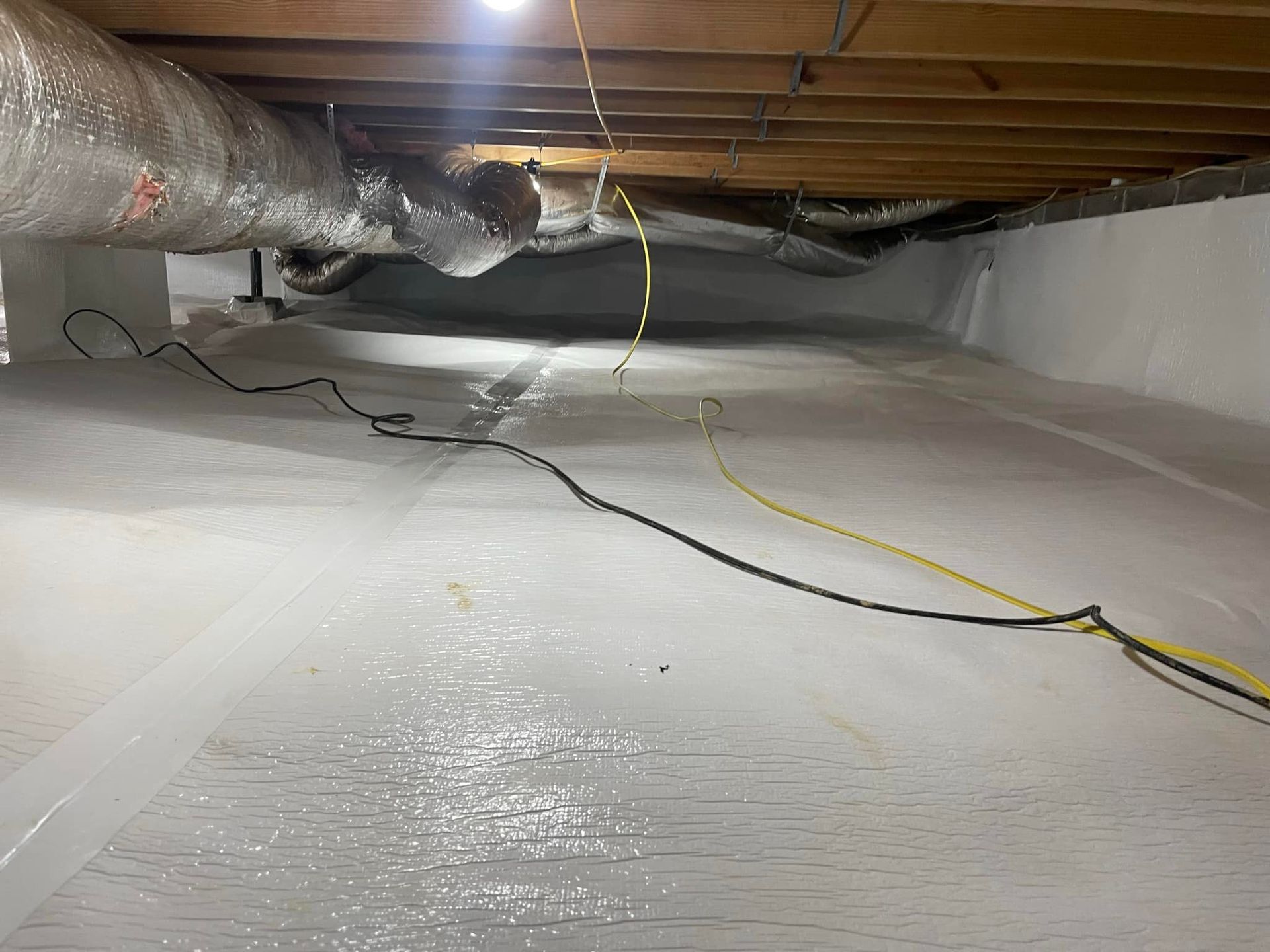
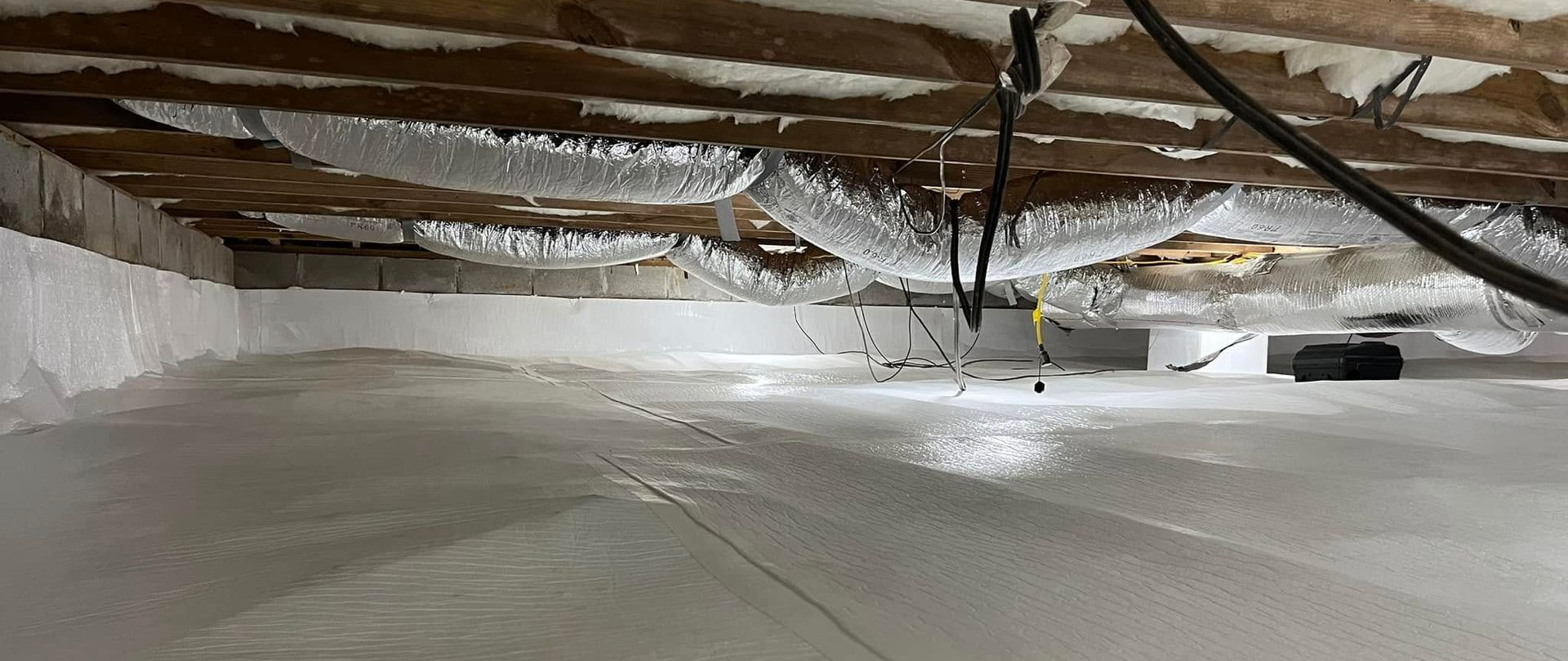
The reflective aluminum insulation by itself? That's fine. It might sweat during the summer when it gets humid, but it's not going to grow mold. Aluminum doesn't absorb moisture like paper does.
Can mold grow on aluminum insulation? Sure, if enough dirt and organic material builds up on it over time. But we're talking years of buildup. And even then, it's not the same problem as paper-backed insulation.
The paper backing is the issue. It absorbs moisture. It holds that moisture. And mold loves it.
So if you've got newer ductwork with just the aluminum reflective insulation, you're in better shape. It's when you've got that old paper-backed stuff that you need to worry.
How to Know If You Have This Problem
Here's the thing - most people have no idea what kind of insulation is on their ductwork. Why would you? It's not like you're hanging out in your crawlspace.
But if your home was built in the sixties or seventies, there's a good chance you've got paper-backed insulation down there.
Signs you might have a problem:
Your crawlspace smells musty. That moldy, damp smell is often coming from somewhere. Could be your ducts.
You can see the insulation deteriorating if you look. It's hanging off in strips or looks like it's falling apart.
There's visible mold or dark spots on the ductwork. If you can see fungal growth from the crawlspace entrance, it's definitely time to get it checked.
Your home was built in that era and you've never had the ductwork looked at. If it's original, it's probably paper-backed.
You don't have to crawl around down there yourself. But it's worth having someone who knows what to look for take a look.
What This Means for Your Home
So why does this matter? It's just some mold on ducts in a crawlspace nobody goes into, right?
Not quite.
First, air quality. Those ducts are carrying air through your house. If they're covered in mold and deteriorating, that's affecting the air you're breathing upstairs.
Second, the insulation isn't doing its job anymore. Once it starts falling apart, you're losing energy efficiency. Your HVAC system is working harder than it should.
Third, the problem spreads. Mold doesn't just sit there. It keeps growing. It gets worse. And the more moisture you have in your crawlspace, the more problems you're creating for everything down there.
I've seen crawlspaces where the duct insulation was so bad, it was falling off in chunks. At that point, you're not just dealing with a mold problem. You're dealing with deteriorated ductwork that needs to be addressed.
This isn't one of those things that gets better if you ignore it. It gets worse.
Ready to Get an Honest Look Under Your Home?
If you've got an older home and haven't had your crawlspace looked at in years, reach out for a free inspection.
I'll come out, check your ductwork, see what's going on down there, and give you honest answers about what needs to be done.
No pressure. No games. Just straight information so you can make the right decision for your home.