When Crawl Space Encapsulation Goes Wrong
What Happens When Companies Cut Corners on Your Crawl Space
A look at failed encapsulation work and what homeowners need to know before hiring
A customer called me a few years back about her crawl space.
She'd already paid a big company - one of those billboard companies you see everywhere - to do a full encapsulation. But something wasn't right.
When I got down there to take a look, I understood why she called. The work was falling apart.
Tape seams ripped open.
Vapor barrier punctured in multiple spots.
Vents left completely unsealed.
She'd spent thousands on an encapsulation that barely lasted a year.
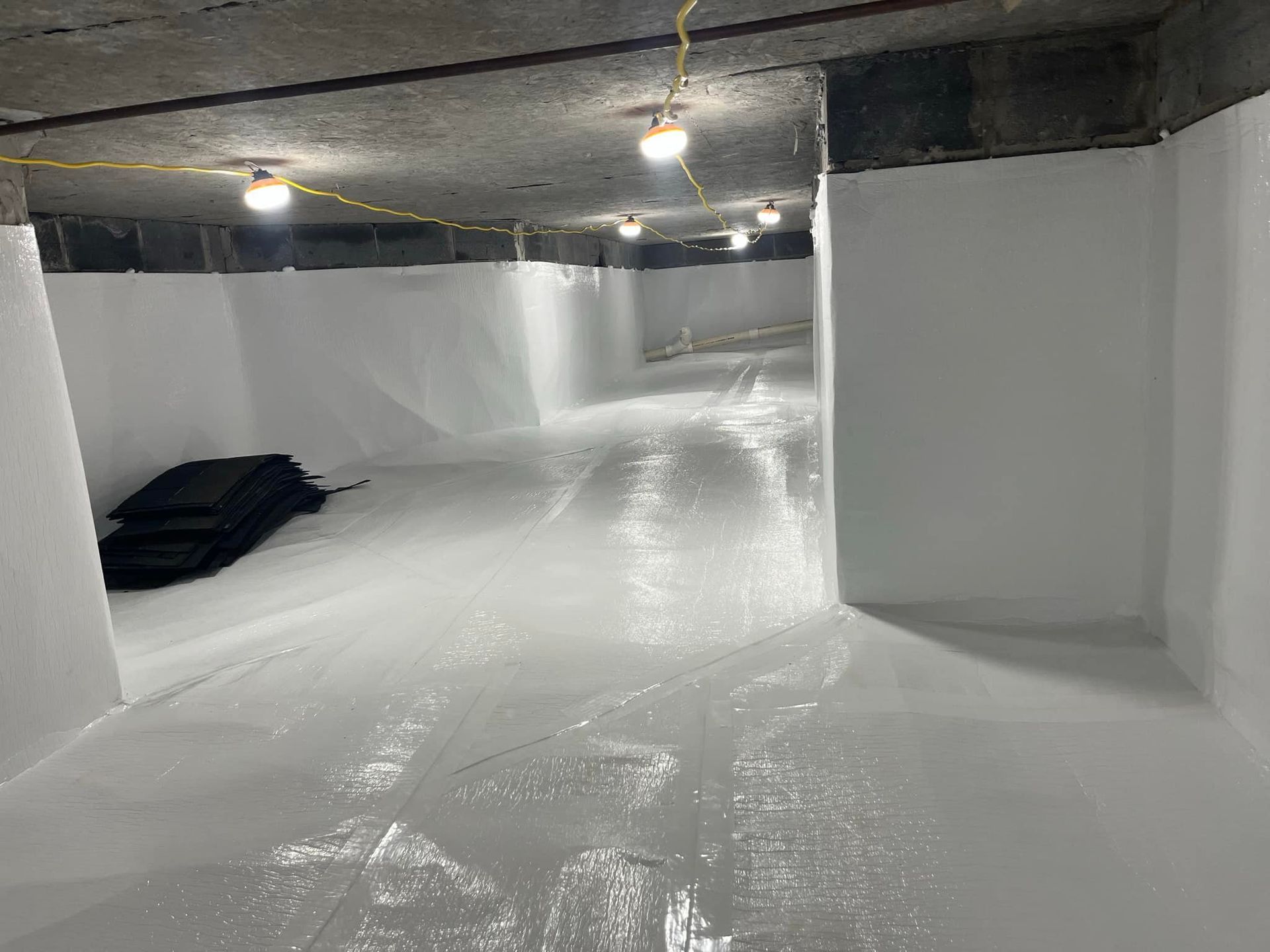
We ended up pulling everything out and starting over.
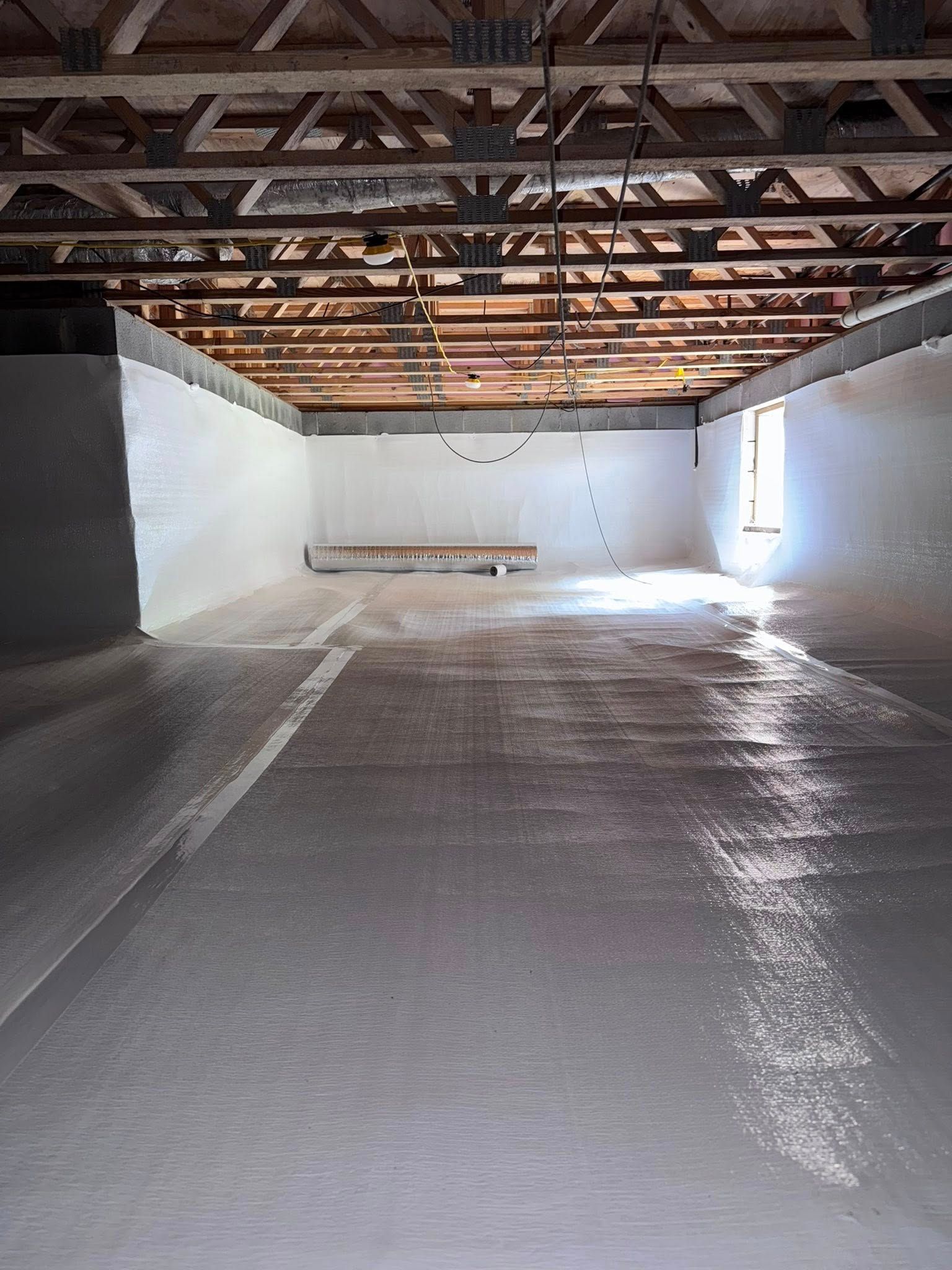
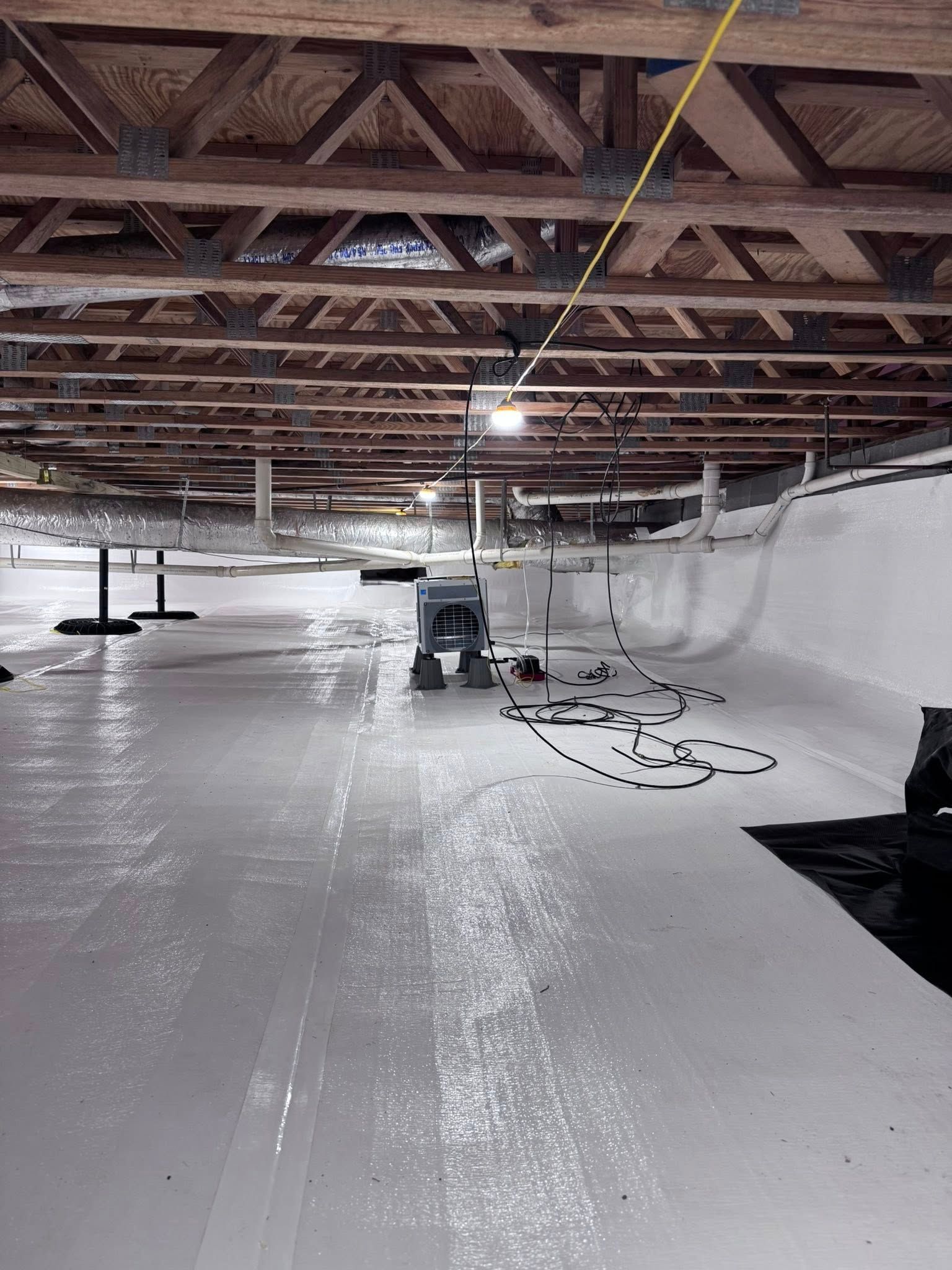
Better materials, proper installation, quality dehumidifier.
Three years later, it's still working exactly how it should.
But here's the frustrating part - she had to pay for the same job twice.
What We Found Under This House
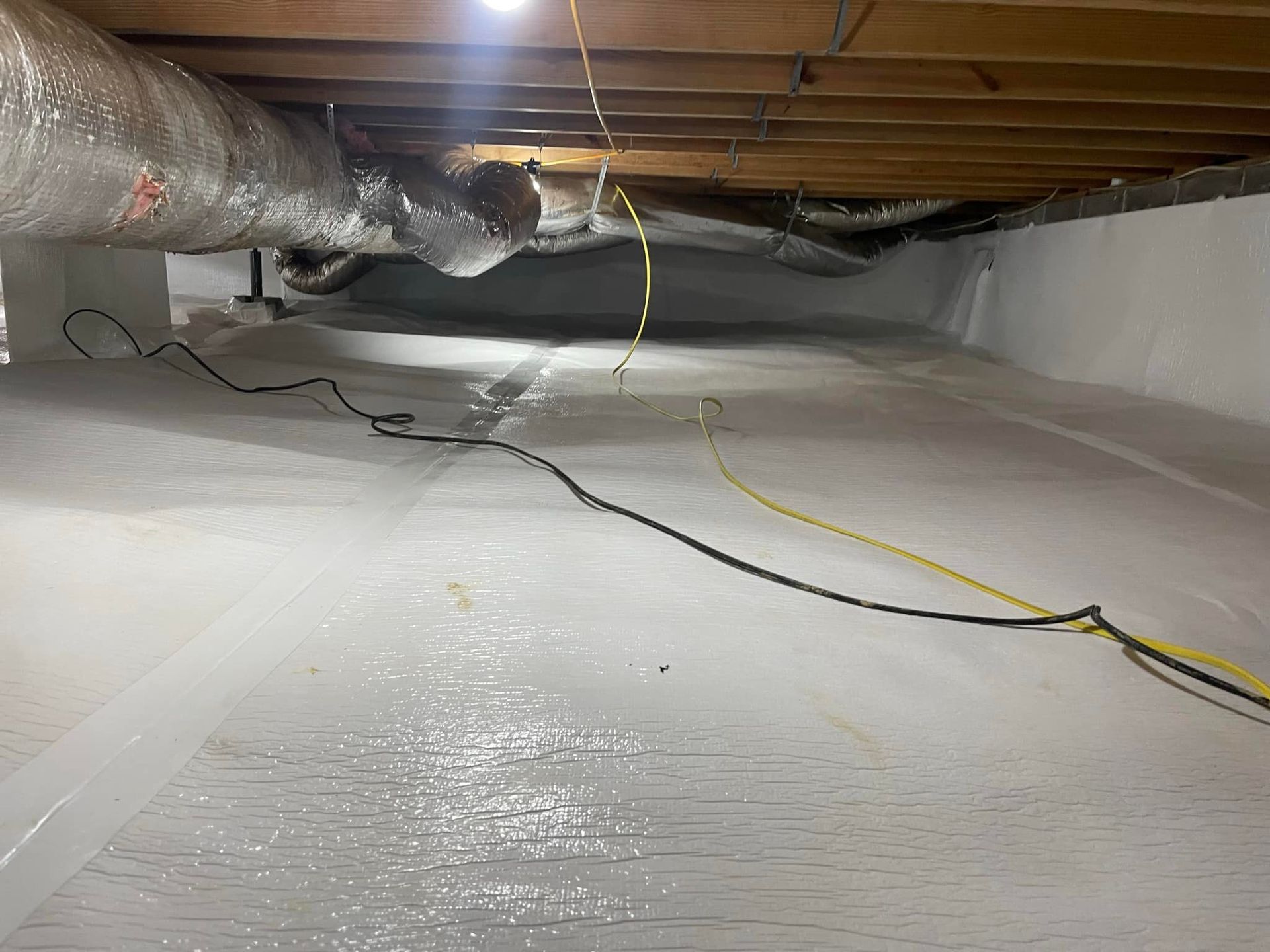
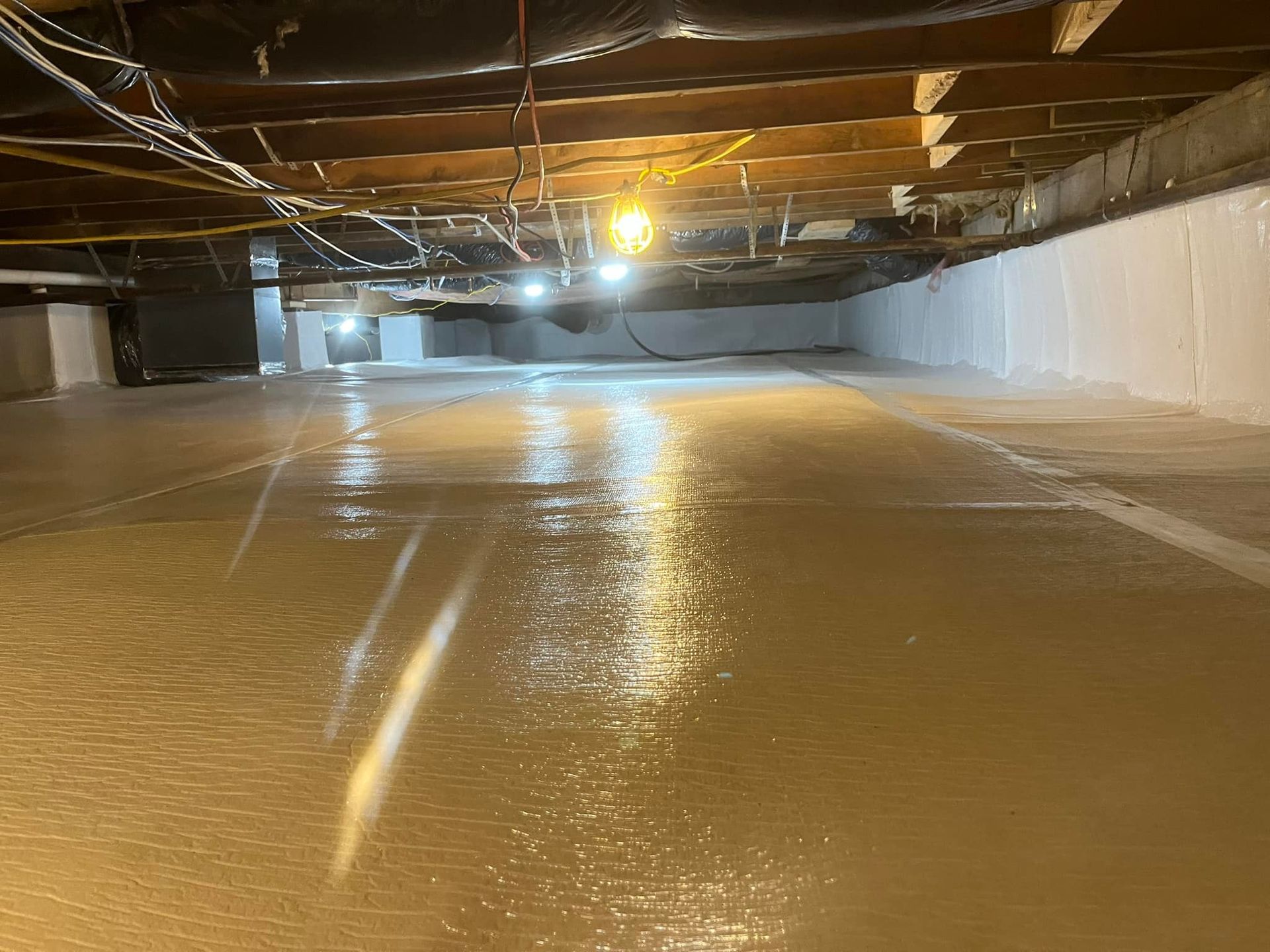
The problems with the original installation were everywhere. Tape seams had torn apart all over the crawl space. The vapor barrier they used was cheap - maybe 10 mil thickness - and it was already punctured before anyone even used the space. Just from them installing it, the material was damaged.
They'd left a back room completely open with multiple vents unsealed. No proper dehumidification setup for that area. The whole point of encapsulation is controlling moisture, and they'd left major entry points wide open.
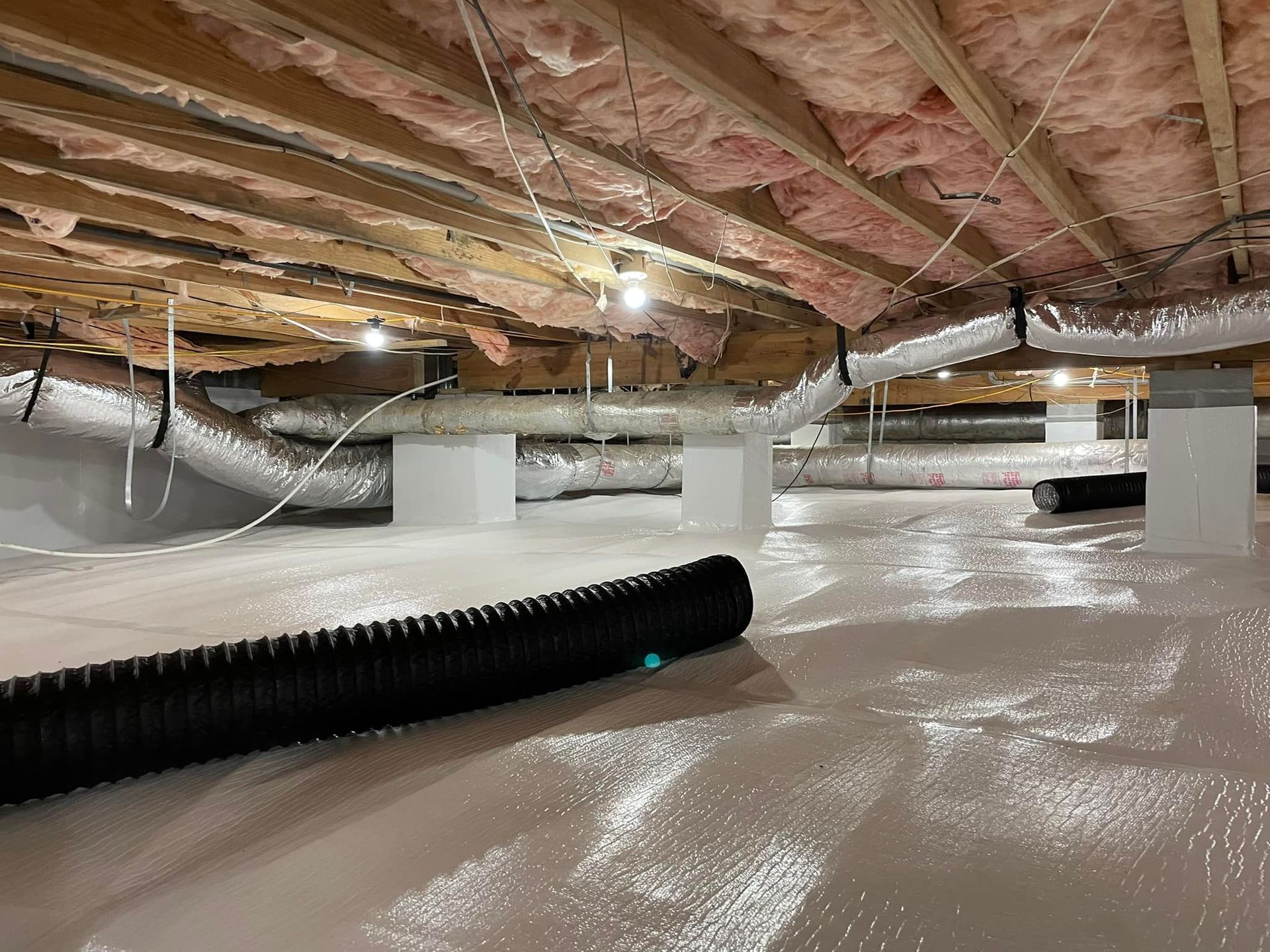
The dehumidifier situation wasn't much better. When we came in to fix it, we installed an AprilAire E070 with proper ducting to pull air from both the main space and that back room. That's how you actually control moisture throughout the entire crawl space.
Why Quality Materials Actually Matter
Look, I get it. When you're comparing quotes, it's tempting to go with the cheaper option. But here's what that actually means for your crawl space.
A 10 mil vapor barrier costs less. It also tears during installation and won't hold up over time. We use 20 mil barriers because they can handle the installation process and last for years. That's double the thickness, which means real protection for your investment.
The same goes for dehumidifiers. An undersized unit might cost less upfront, but it won't control moisture in your space. We size dehumidifiers correctly and run proper ducting to make sure every area gets coverage. That's not cutting corners - that's doing the job right.
When companies use cheap materials, they're saving money on your project. You're the one who pays the price later.
Warning Signs of Poor Installation
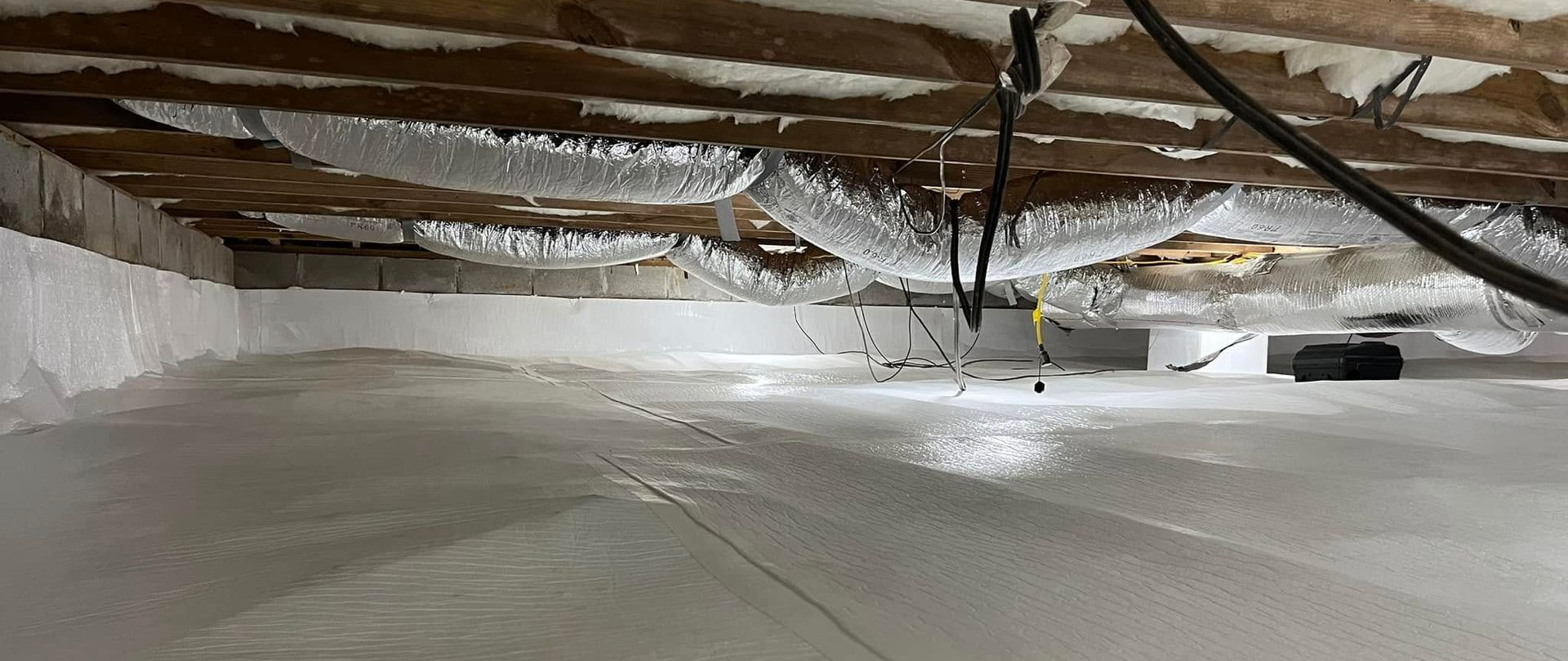
After any crawl space work is done, you need to go down there and look at it yourself. Here's what to check:
Are the tape seams flat and secure? They shouldn't be bubbling or pulling away from the barrier. Look at the vapor barrier itself. Does it have tears or punctures? It should be intact across the entire space.
Check every vent. They should be properly sealed if you paid for encapsulation. Walk the perimeter and look for gaps or unsealed areas.
If you see problems right after installation, speak up. Don't wait for issues to get worse. A quality company will come back and fix their work.
Questions to Ask Before You Hire
Before you sign any contract, get specific answers about materials and installation:
What thickness vapor barrier will you use? It should be at least 20 mil. How will you seal the vents and entry points? What size dehumidifier will you install, and how will you ensure coverage throughout the space?
Ask about their installation process. Will they properly seal all seams? How do they handle obstacles like piers and utilities?
And here's the big one - what does their warranty actually cover? Get it in writing. Know what happens if something fails in the first year or two.
Protect Your Investment
Don't assume the work is done right just because a company has billboards all over town. Big advertising budgets don't equal quality installation.
After the work is complete, get down in your crawl space and look at it. Take photos. Ask questions if something doesn't look right. And if you're not sure, call someone else to take a look. A second opinion is cheaper than paying for the job twice.
This homeowner learned that lesson the hard way. She trusted a big name company and ended up paying twice for the same work. Don't let that happen to you.
If you need an inspection of existing work or you're looking for honest answers about what your crawl space needs, give us a call. We'll tell you exactly what we see and what it takes to fix it right.