Wrong Materials Under Your House Could Cost You the Sale
Why Proper Crawl Space Shims Matter More Than You Think
The builder shortcuts that turn into deal-breakers during home inspections
Just finished a job in Farragut where we had to replace 15 shims under a home's main support beams.
The problem? The builder had used hardie plank - the same material you'd use for exterior siding - as structural support for the house.
Here's what shims are supposed to do: they sit between your foundation piers and floor beams to keep everything level and properly supported.
They're bearing the weight of your entire structure.
Using the right material isn't optional - it's critical.
But some builders take shortcuts.
They grab whatever's handy during construction.
Hardie plank, drywall scraps, random wood pieces.
It saves them a few dollars and a trip to get proper materials.
The problem shows up years later when these materials start to fail.
What We Found Under This House
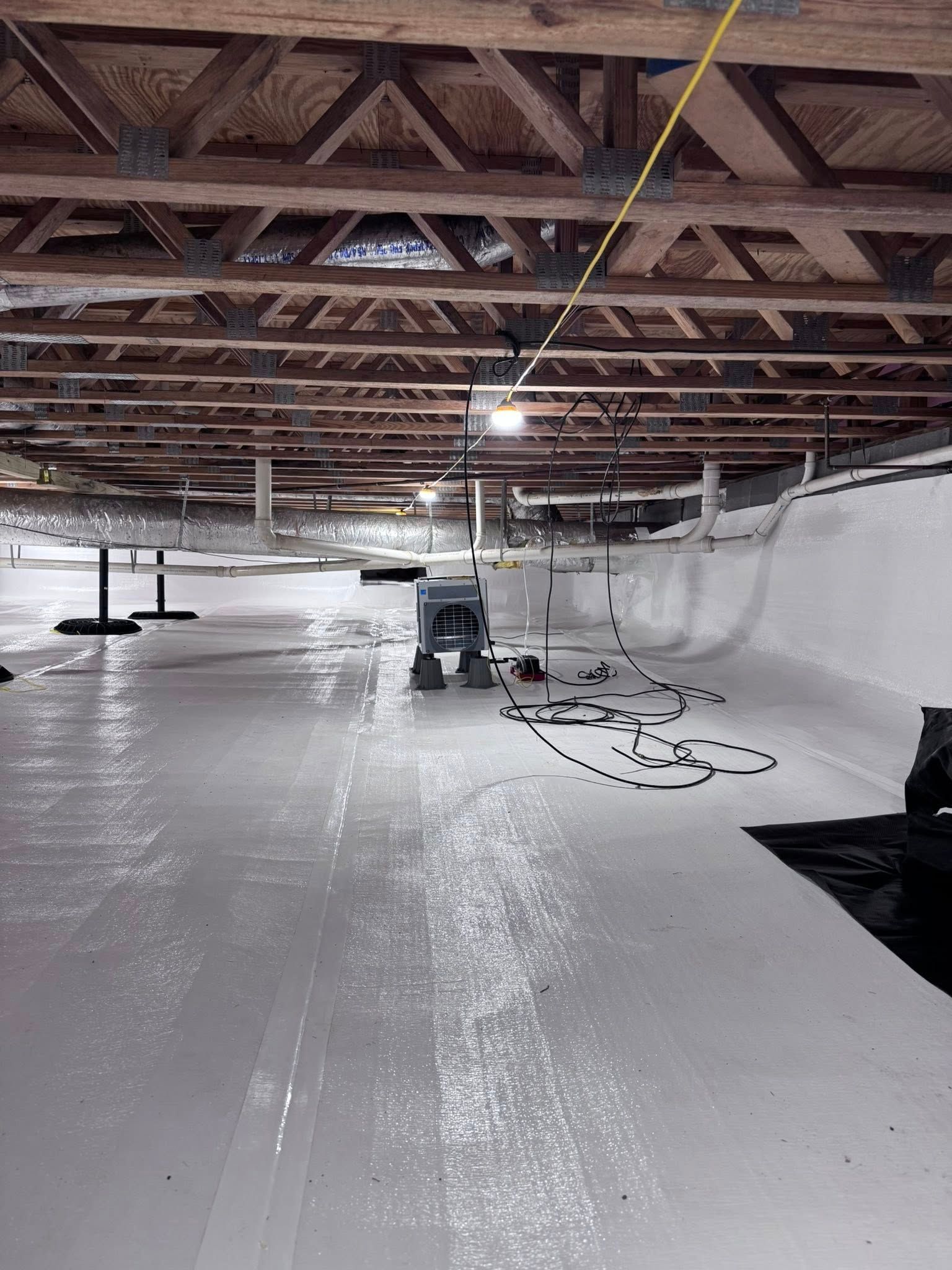
When we crawled under this Farragut home, the issue was clear. Fifteen or sixteen shims were made from exterior hardie plank siding. This material is designed to protect the outside of your house from weather - not to support structural weight.
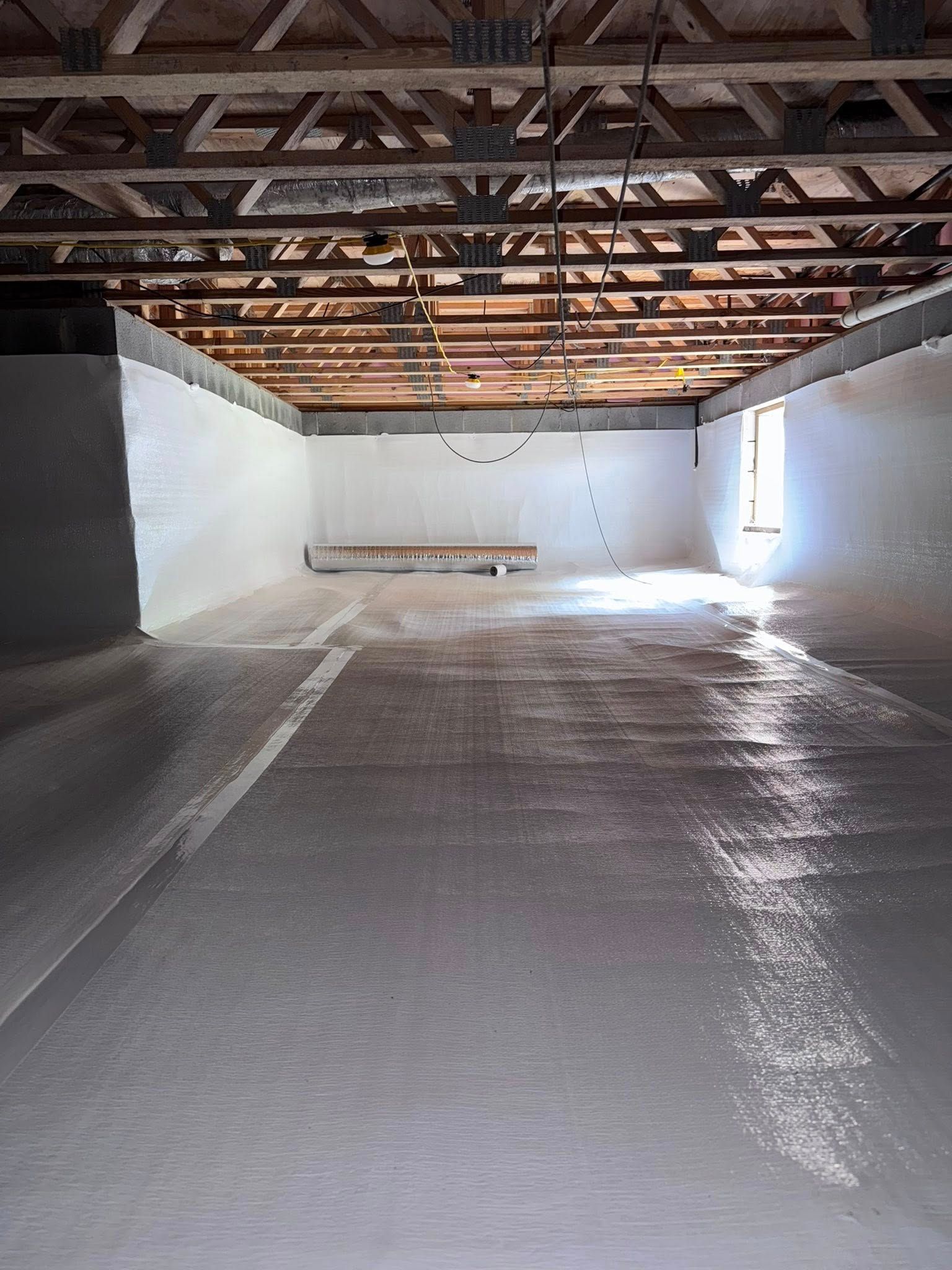
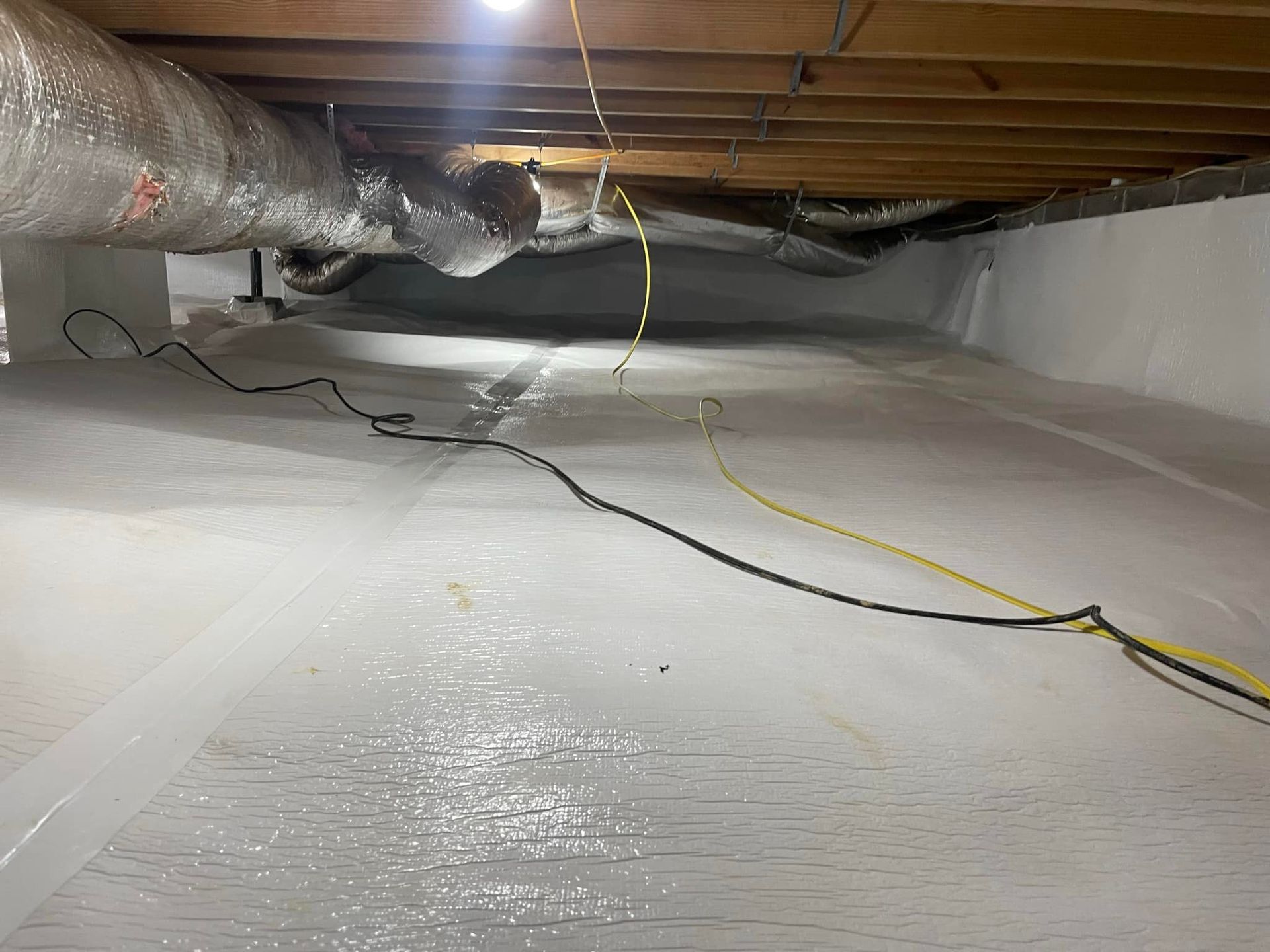
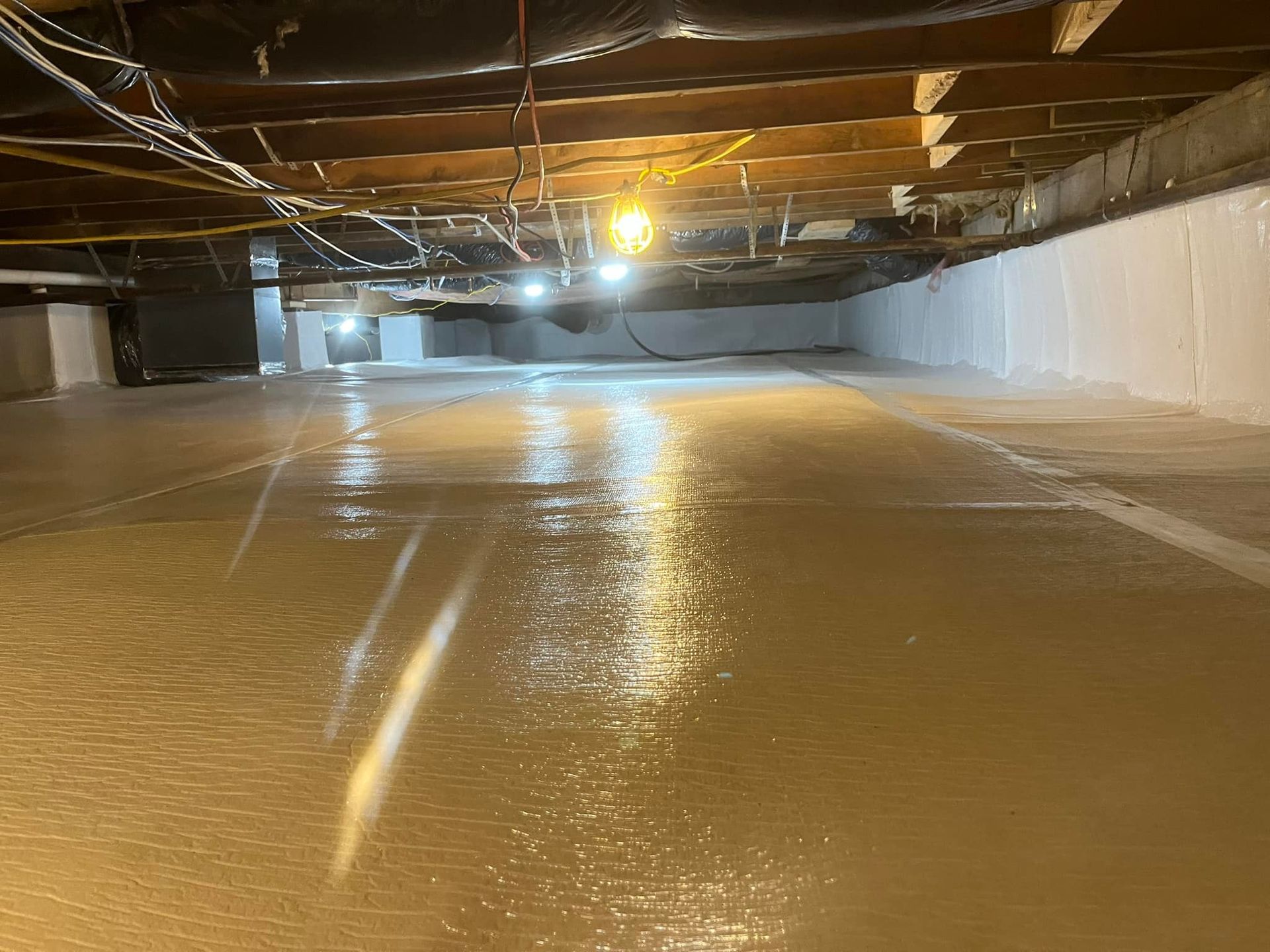
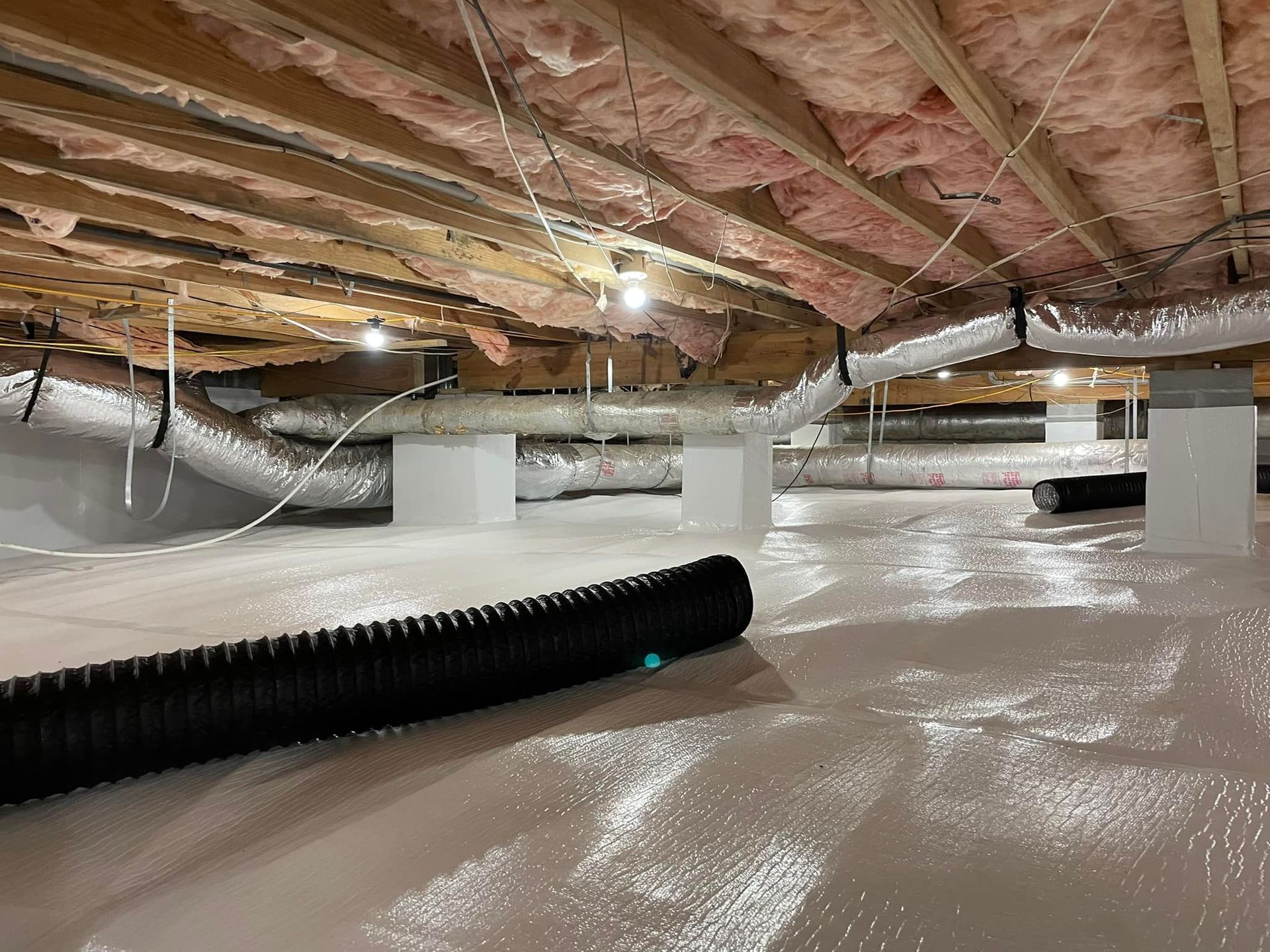
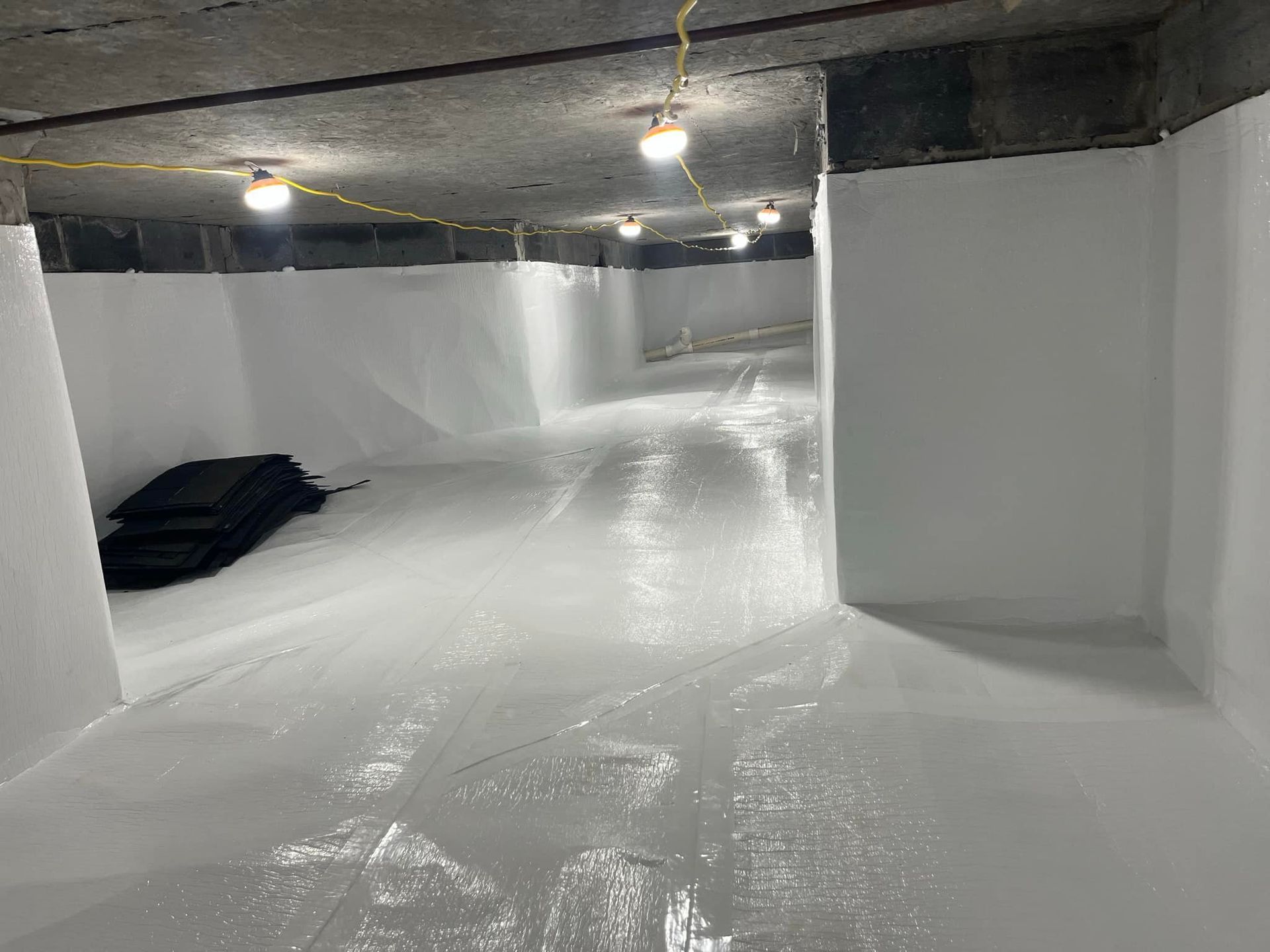
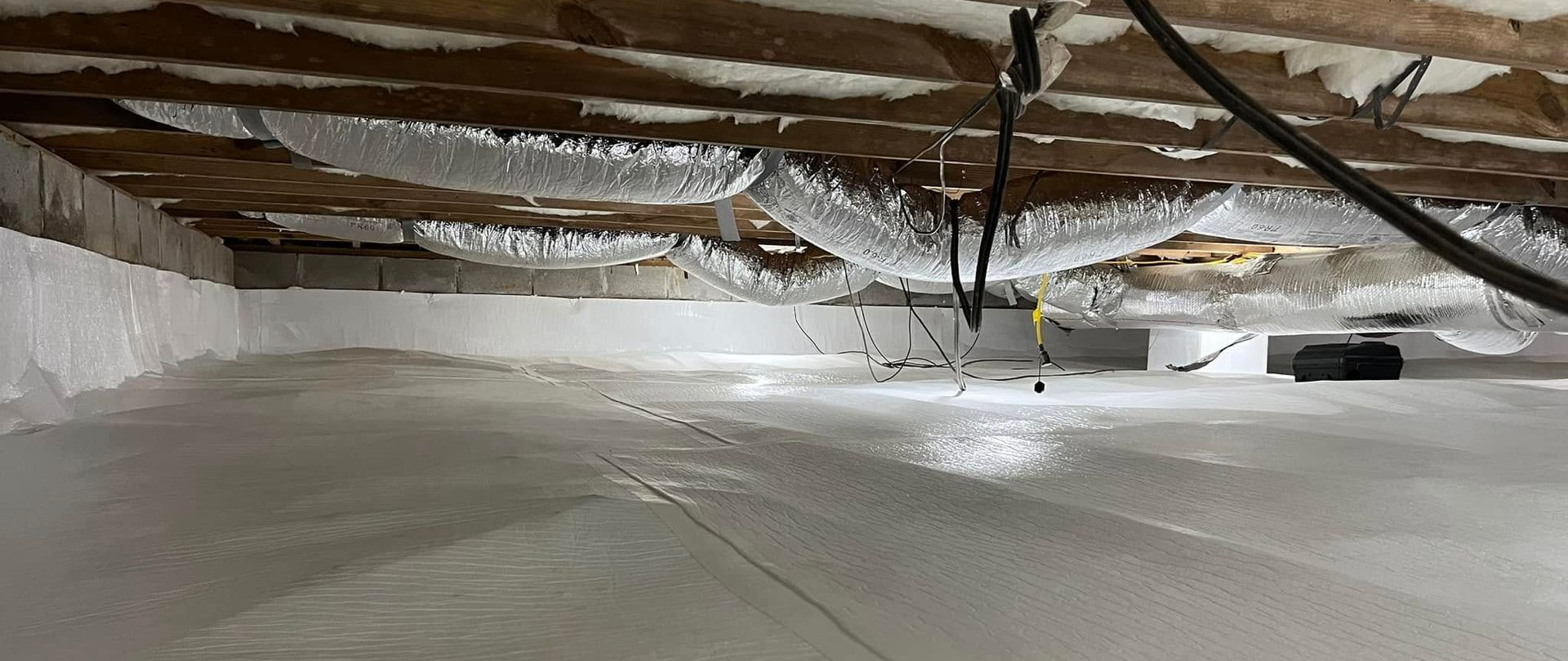
We had already encapsulated this crawl space a few weeks earlier, so we knew the layout well. The homeowners were in the middle of renovations, which made it the perfect time to address the problem before it got worse.
My crew jacked up both sides of the beam, lifted it carefully, and swapped out every incorrect shim with proper wood supports. The work took a few hours, but now the homeowner has a support system that will actually do its job for the long haul.
Why the Wrong Materials Cause Real Problems
Hardie plank isn't designed to bear weight. Neither is drywall. When builders use these materials as shims, they're creating a ticking time bomb under your house.
Over time, these improper materials compress under the constant weight. They can shift, deteriorate, or simply fail to provide the stable support your home needs. You might notice floors starting to sag, doors that won't close properly, or cracks appearing in walls.
And here's the kicker - even if you don't notice problems yet, home inspectors will. They know exactly what to look for under a house. When they spot hardie plank or drywall being used as structural support, red flags go up immediately. Suddenly your sale is delayed or you're facing price negotiations you didn't expect.
Common Materials Builders Use (That They Shouldn't)
After thousands of crawl space inspections, I've seen builders use all kinds of inappropriate materials as shims:
Hardie plank or other exterior siding - designed for weather protection, not weight bearing. It can crack and crumble under pressure.
Drywall scraps - literally the worst choice. Drywall absorbs moisture and falls apart. It has zero structural integrity for this purpose.
Random wood scraps - sometimes wood works, but not all wood is equal. Untreated lumber can rot. Thin pieces can split. You need proper dimensional lumber for structural support.
The frustrating part is that proper shims don't cost much more. But cutting corners during construction creates problems that homeowners inherit years later.
How to Know If Your Crawl Space Has This Issue
You don't need to be an expert to spot potential problems. Here are some warning signs:
Look for uneven floors or soft spots when you walk around your house. Check if doors are suddenly harder to close or won't latch properly. Watch for new cracks in drywall, especially around door frames.
If you can access your crawl space safely, take a look at what's between your beams and piers. Proper shims should be solid wood - usually pressure-treated lumber that can handle moisture and weight.
See anything that looks like siding material? Drywall? Random scraps? That's your signal to call someone who can assess the situation and make it right before it becomes a bigger issue.
Protect Your Investment Before It's Too Late
Look, I get it. Crawl space problems aren't exciting. But ignoring improper shims won't make them go away - it just means you'll deal with them at the worst possible time.
If you're planning to sell, home inspectors will find these issues. If you're staying put, those wrong materials are slowly compromising your home's structural integrity. Either way, fixing it now is a lot easier and cheaper than waiting.
We replaced those shims in Farragut in just a few hours. The homeowners got peace of mind knowing their house is properly supported, and they won't face surprises when it's time to sell.
Don't wait until structural problems show up or an inspection report kills your deal. Let us take a look at what's actually holding up your house..