Water in Your Crawl Space: How a Small Problem Becomes Structural Damage
What Happens When Water Finds the Low Point and Stays There
How ignored water problems lead to cracked foundations and failing floors
It Started With Just a Little Water
I was out in Friendsville yesterday looking at a crawl space with water intrusion.
The homeowner knew water was getting in, but figured it wasn't a big deal since it would dry up after a few days without rain.
Here's the problem with that thinking: water always finds the lowest point in your crawl space.
And when it sits there - even if it's just for a few days at a time - it's doing damage.
Every time it collects and then drains away, it's weakening your foundation a little more.
In this crawl space, you could see exactly where the water had been sitting.
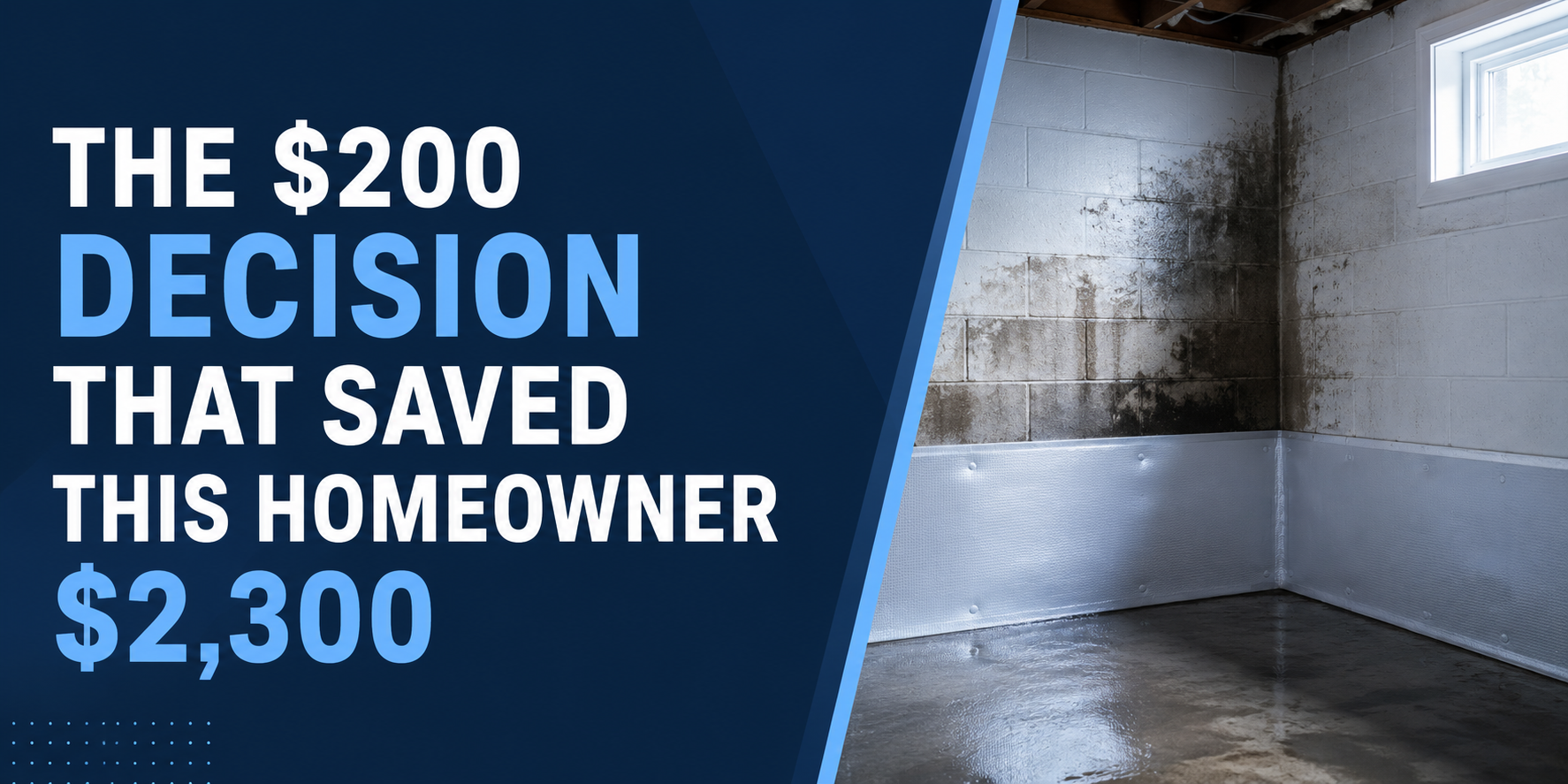
Dark water lines on the blocks showed how high it was getting.
And the positive drain that should have been moving that water out?
Completely clogged from years of neglect.
From Puddles to Foundation Cracks
When I looked closer at where the water was pooling, I found stair step cracks in the blocks on both sides. These aren't random cracks - they tell a specific story about what's happening underground.
The footer at this low point had started to settle. Years of water sitting against it had weakened the soil underneath. As that corner dropped, even slightly, it created stress on the block walls above. That's where those distinctive stair step patterns come from.
Think of it like this: if one corner of your house starts sinking while the rest stays put, something has to give. In block foundations, that "give" shows up as cracks that follow the mortar joints in a stair step pattern.
The Sound of Structural Problems
As the homeowner walked around above the crawl space, I could hear the floors creaking with every step. That sound isn't just annoying - it's telling you something important about what's happening to your floor joists.
Wood is like a sponge. When moisture levels in your crawl space keep changing, the wood absorbs water and swells, then dries out and contracts. Over and over again. After years of this cycle, the wood weakens and the connections between joists loosen up.
That's what creates the creaking. The floor system isn't as solid as it should be because the wood has been compromised by constant moisture changes. Get the moisture under control with proper encapsulation, and that wood can finally stabilize at one moisture level. Once that happens, the creaking usually stops and the structural integrity comes back..
When One Problem Creates Another
Here's what made this situation worse: the crawl space actually had a positive drain installed. Someone had tried to solve the water problem before. But over the years, that drain got completely clogged up with debris.
So now the water that should have been draining away was just sitting there, making everything worse. The clogged drain became worse than having no drain at all, because the homeowner thought the problem was handled.
This is what happens with crawl space neglect. One small issue - a clogged drain - leads to standing water. Standing water leads to footer settlement. Settlement leads to foundation cracks. Meanwhile, moisture is damaging your floor joists from below. Before you know it, you've got multiple expensive problems that all started with something simple.
The Right Way to Fix Water Damage
For this Friendsville home, just pumping out the water won't fix anything. We need to address every part of the problem.
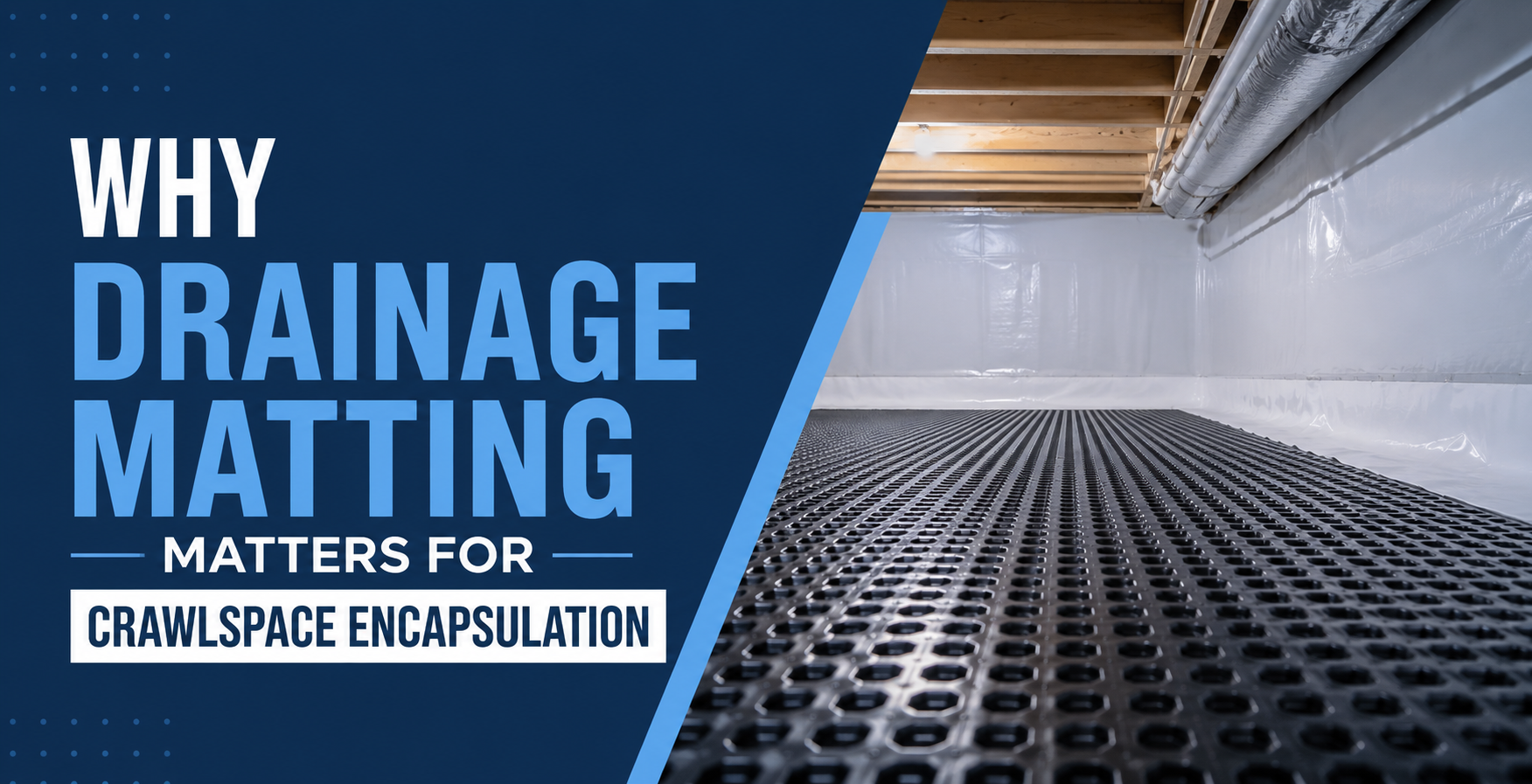
First, we're installing proper drainage that actually works and can be maintained. Then we're putting in a sump pump to move that water out and keep it out.
But here's the critical part: that settled corner needs helical piers. These go deep into solid soil and stabilize the foundation so it can't settle any further. Without this step, the cracking will just continue.
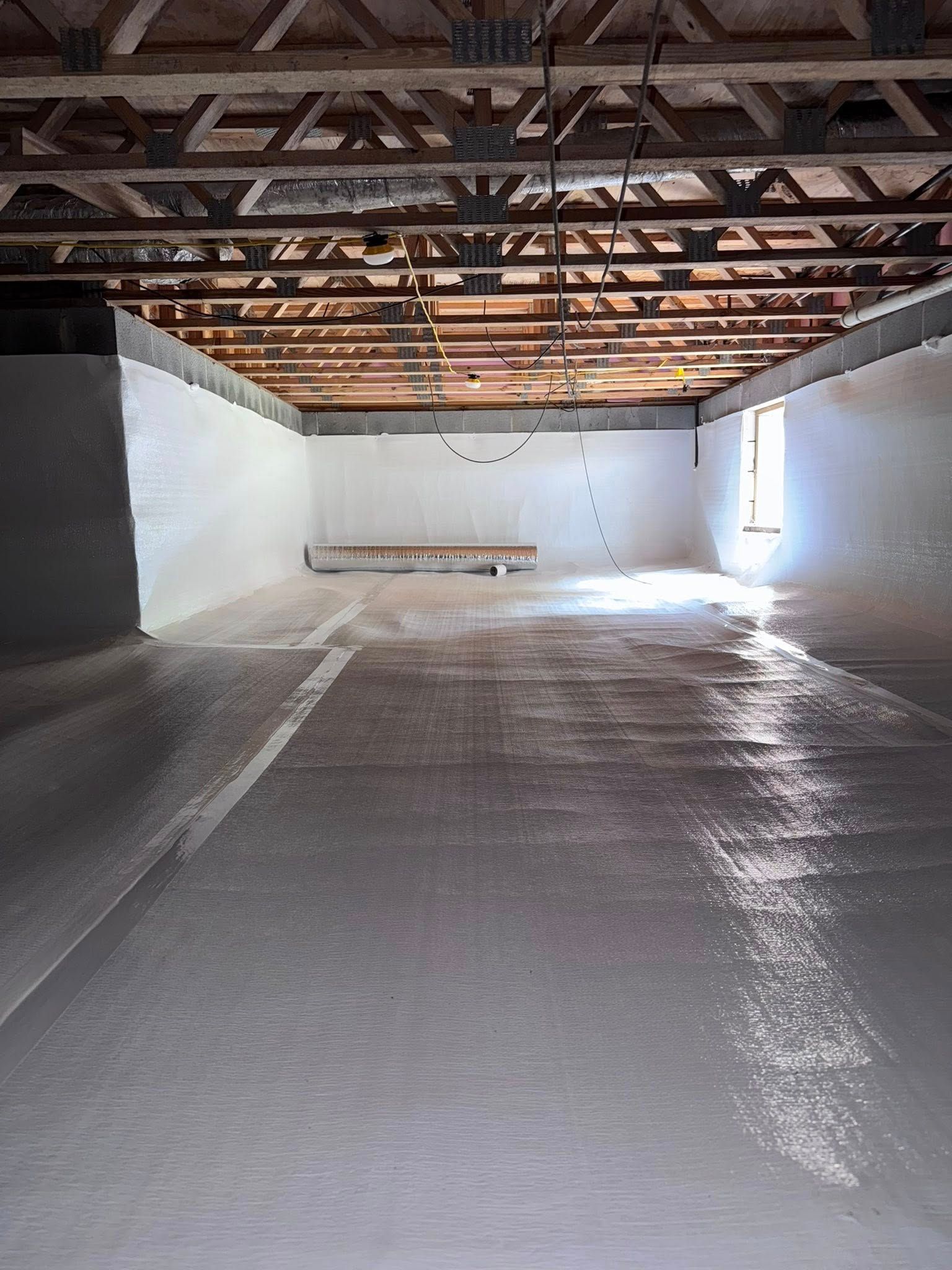
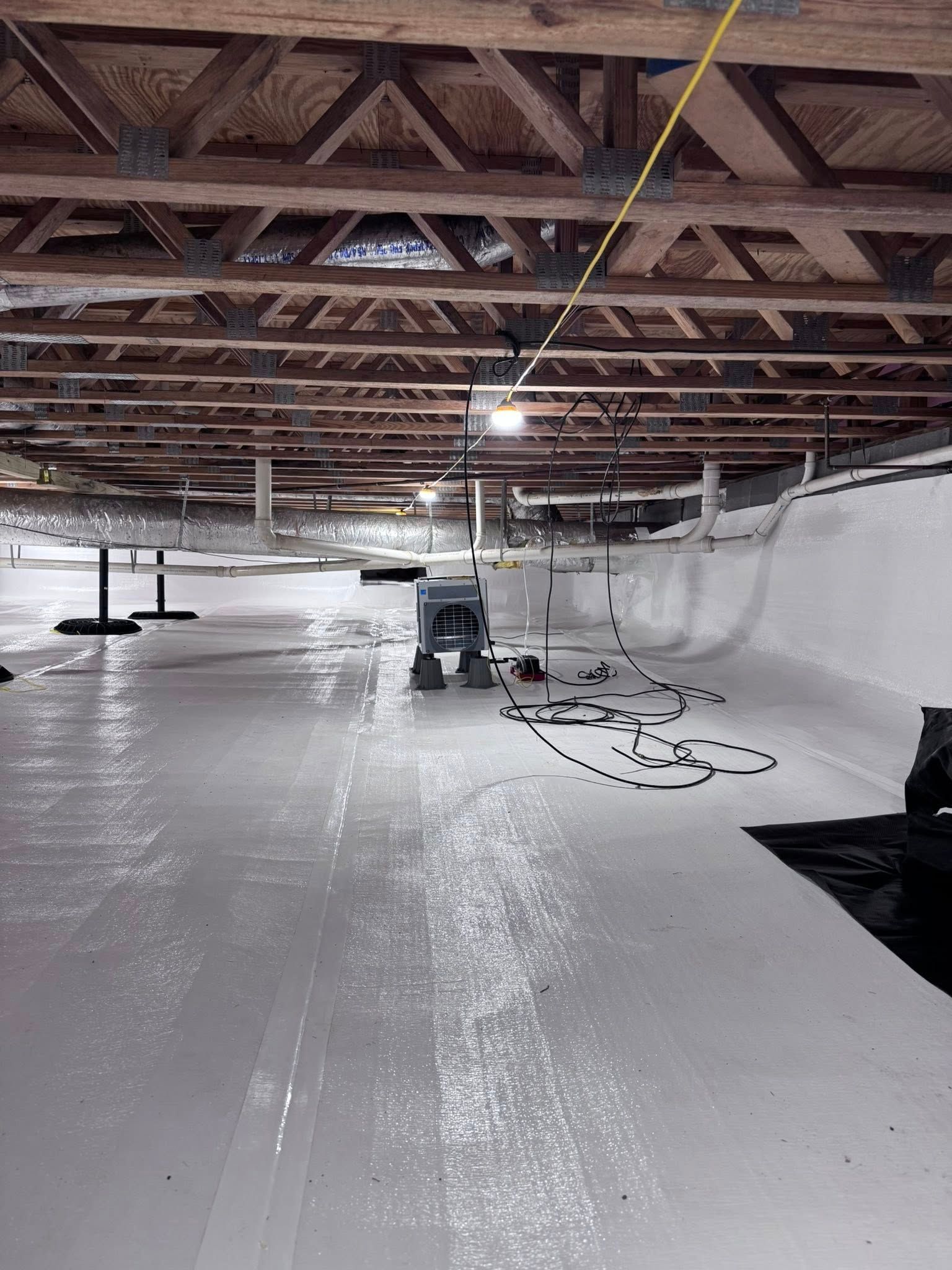
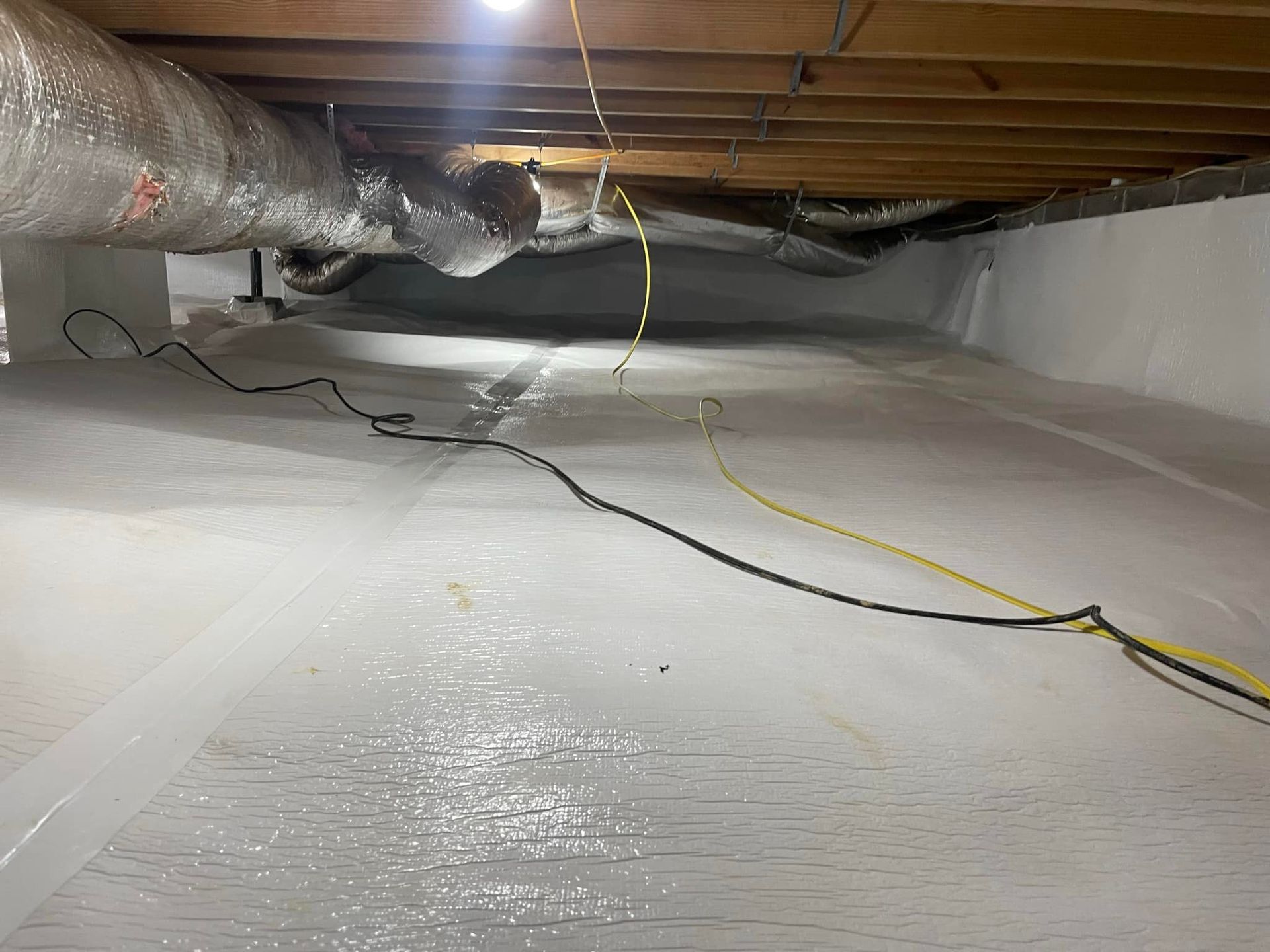
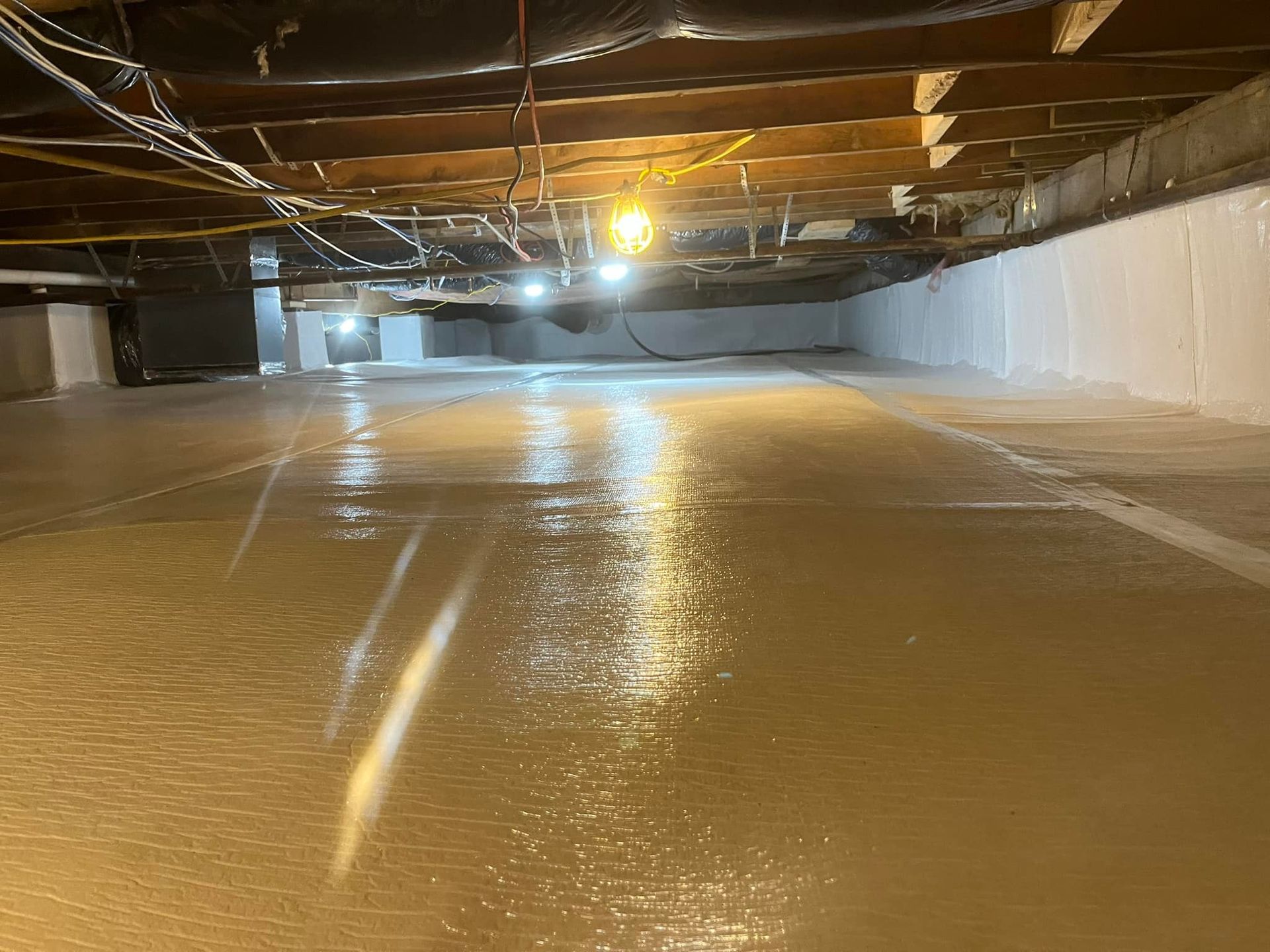
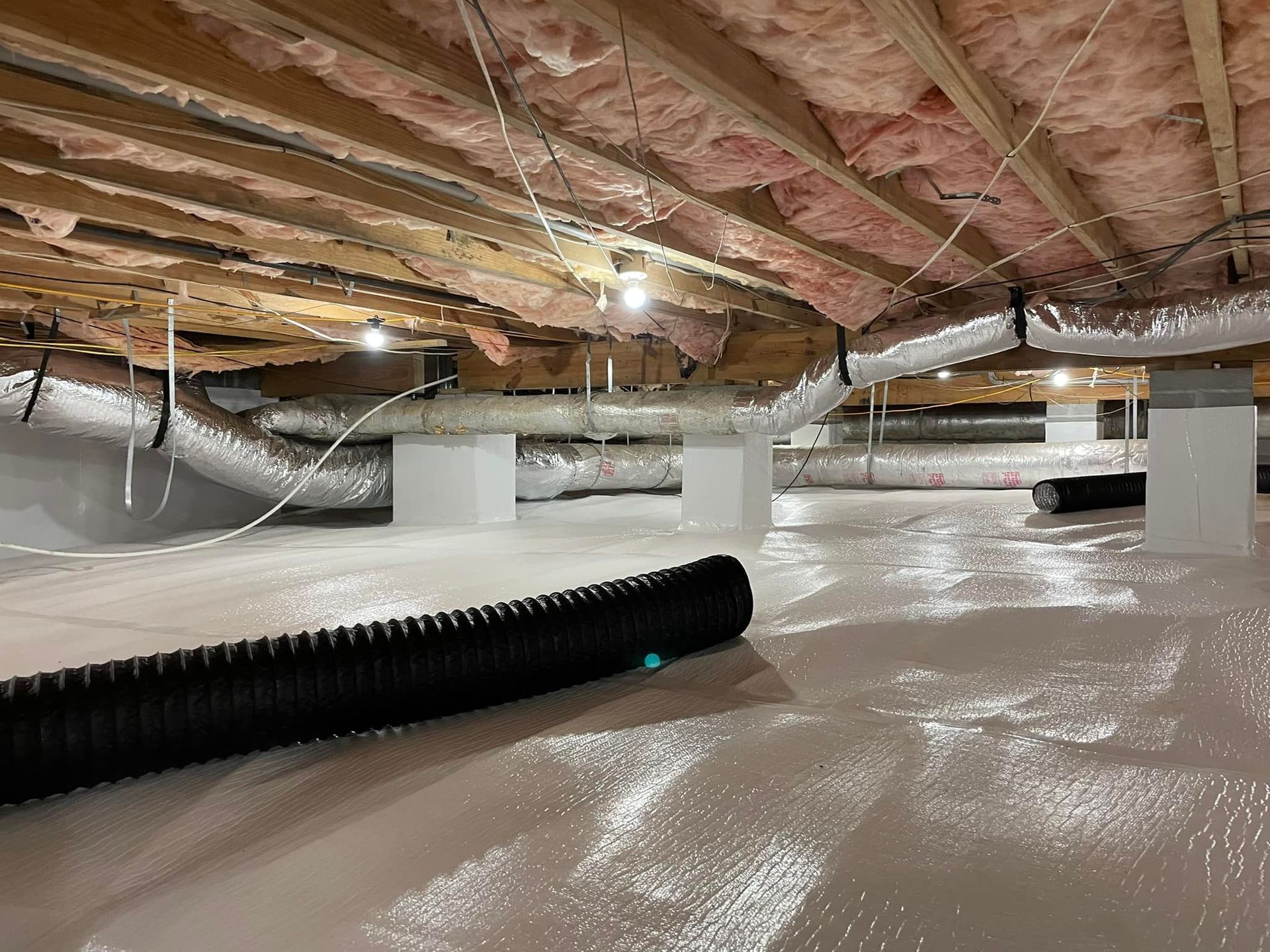
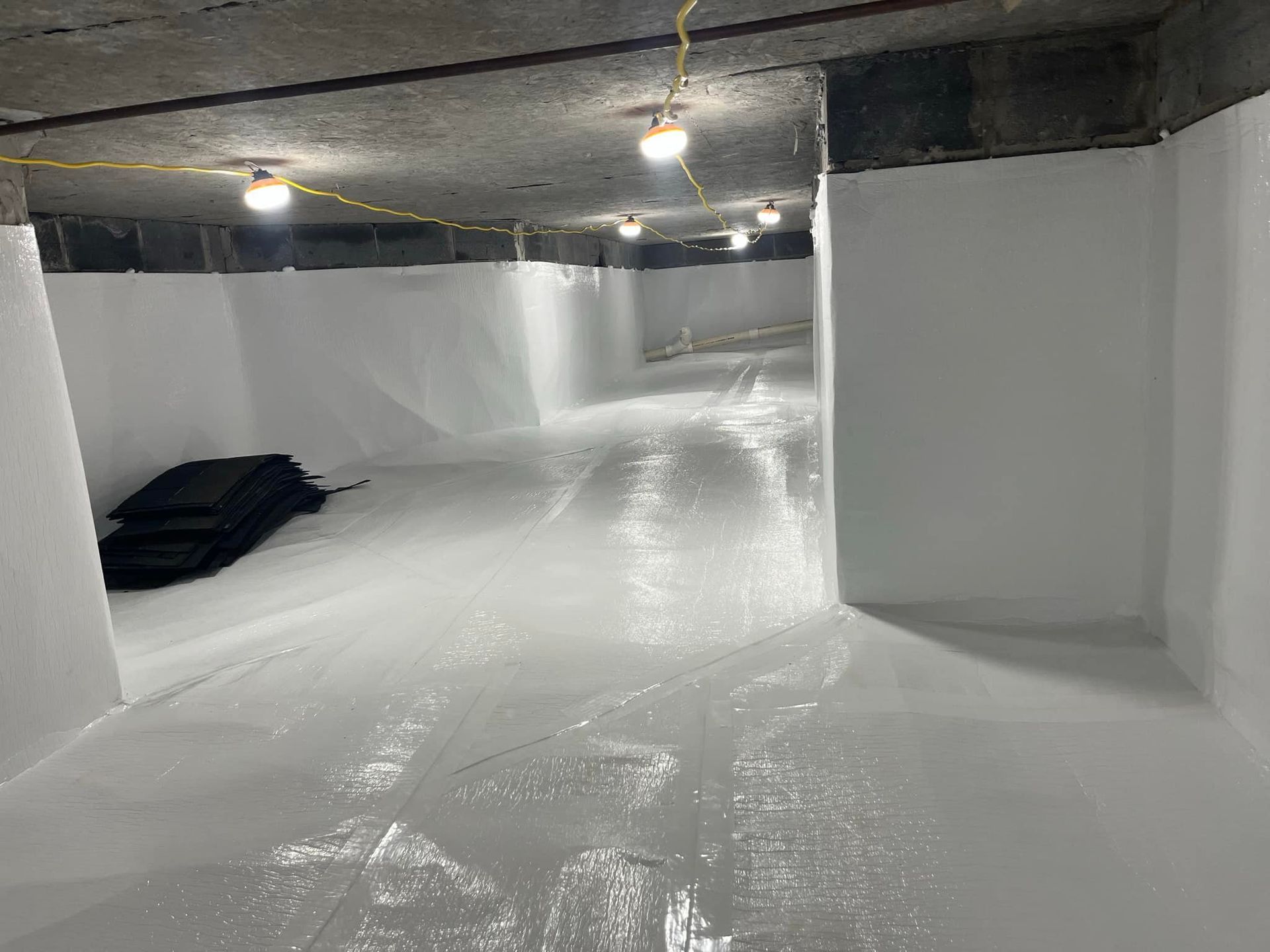
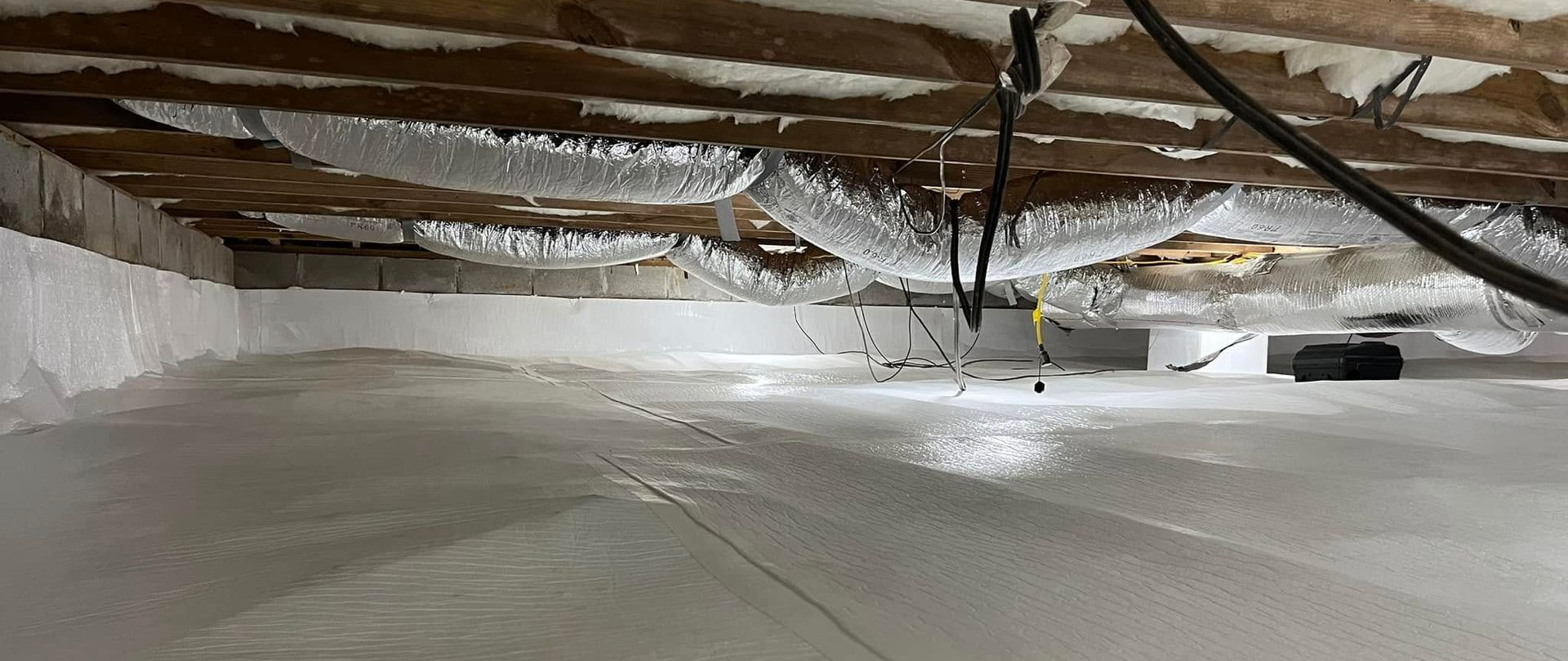
Finally, encapsulation ties it all together. Once we control the moisture with a proper vapor barrier and dehumidification, the wood can stop that constant swelling and shrinking cycle. The floor joists stabilize, the creaking stops, and the whole system works the way it should.
Some homes also need supplemental jacks to support weakened areas while everything stabilizes. Every situation is different, but the goal is always the same: fix the root cause, not just the symptoms.
Protect Your Home Before Small Problems Grow
Look, I get it. A little water in your crawl space doesn't seem like an emergency. It dries up, life goes on, and you've got bigger things to worry about.
But here's what you need to watch for: water lines on your foundation walls, clogged drains that aren't doing their job, floors that creak more than they used to, and any cracks in your foundation blocks - especially those stair step patterns.
If you're seeing any of these signs, don't wait. Small water problems turn into foundation issues. Foundation issues turn into structural damage. And structural damage turns into expensive repairs that could have been prevented.
The best time to call a professional is before you hear your floors creaking or see cracks in your walls. But the second best time is right now, before those small problems become bigger ones.