The Hidden Reason Your Energy Bills Won't Go Down
Your Crawl Space Might Be Costing You Hundreds Every Month
A crawl space expert explains why moisture damage to ductwork is draining your wallet
Your heating bill arrives, and you're frustrated all over again.
The number keeps climbing even though you haven't changed how you use your system.
You've replaced the filter, had the unit serviced, and maybe even upgraded to a newer model. But the bills stay high.
I just finished an inspection in Rockwood that shows exactly why this happens.
The homeowner was dealing with the same problem - high energy costs, rooms that never felt quite comfortable, and an HVAC system that ran constantly.
The issue wasn't their heating unit at all. It was what was happening to their ductwork in the crawl space below.
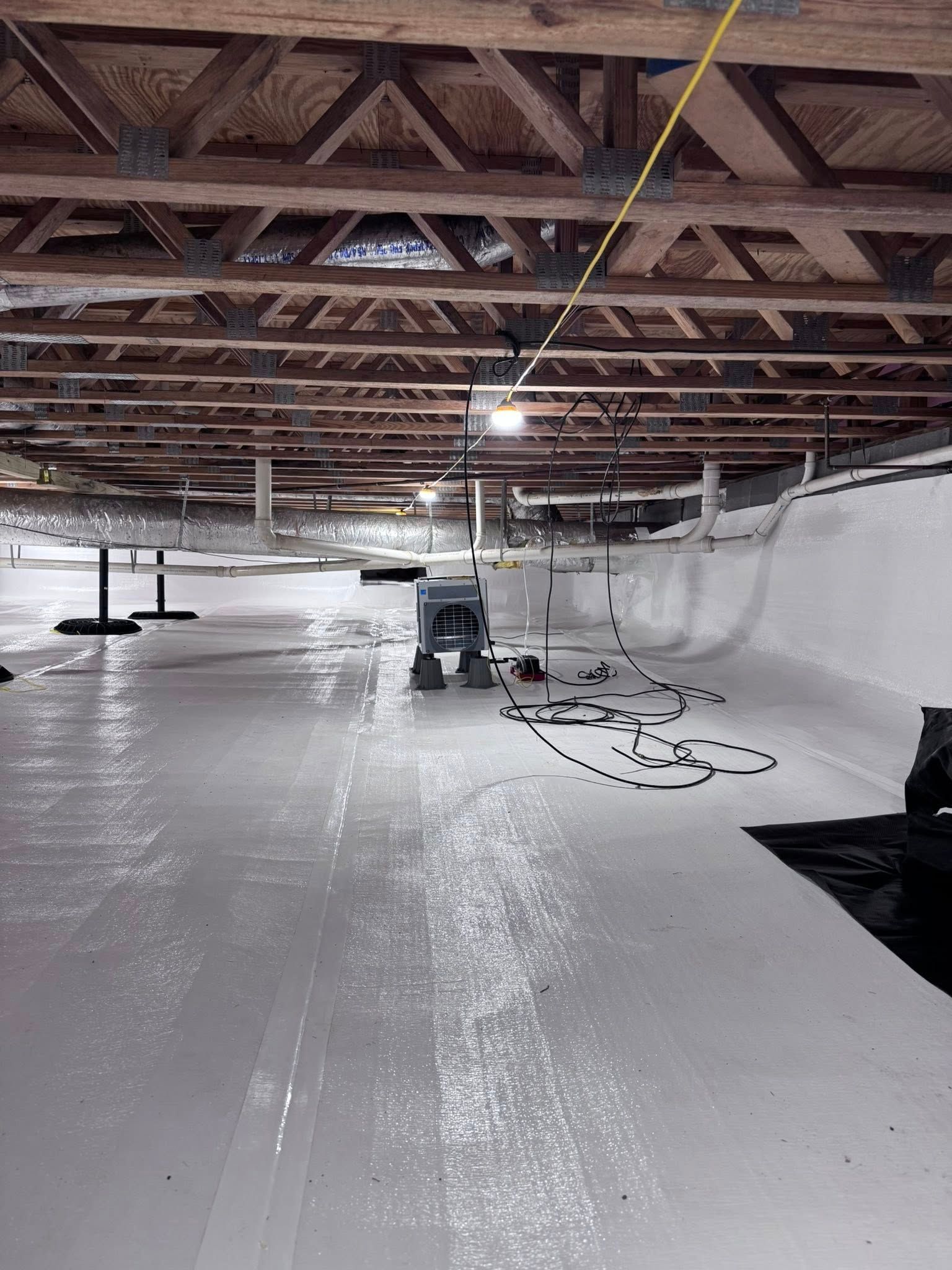
What's Really Happening Under Your House
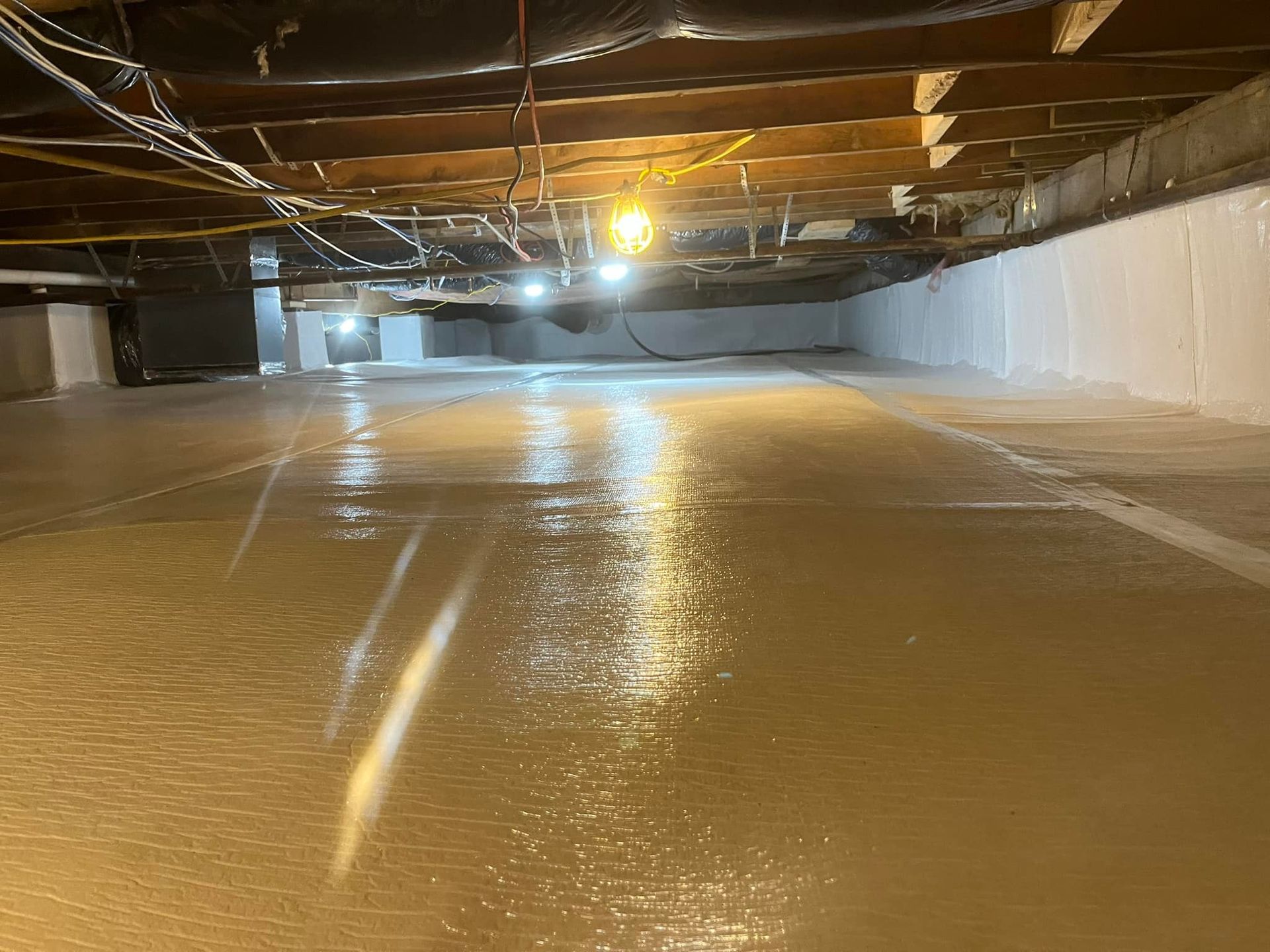
When I got into this Rockwood crawl space, the problem was clear. The ductwork was falling apart from years of moisture exposure. Joints were separating. Seams were coming loose. The homeowner had replaced a few sections over the years, but the deterioration just kept spreading.
Here's what most people don't realize: when your ductwork sits in a damp crawl space, it's constantly sweating. That moisture breaks down the materials. Old-style ductwork like this deteriorates even faster.
All that heated air you're paying for? It's leaking into your crawl space through those separated joints instead of making it to your rooms. You're heating the space under your house while your living room stays cold.
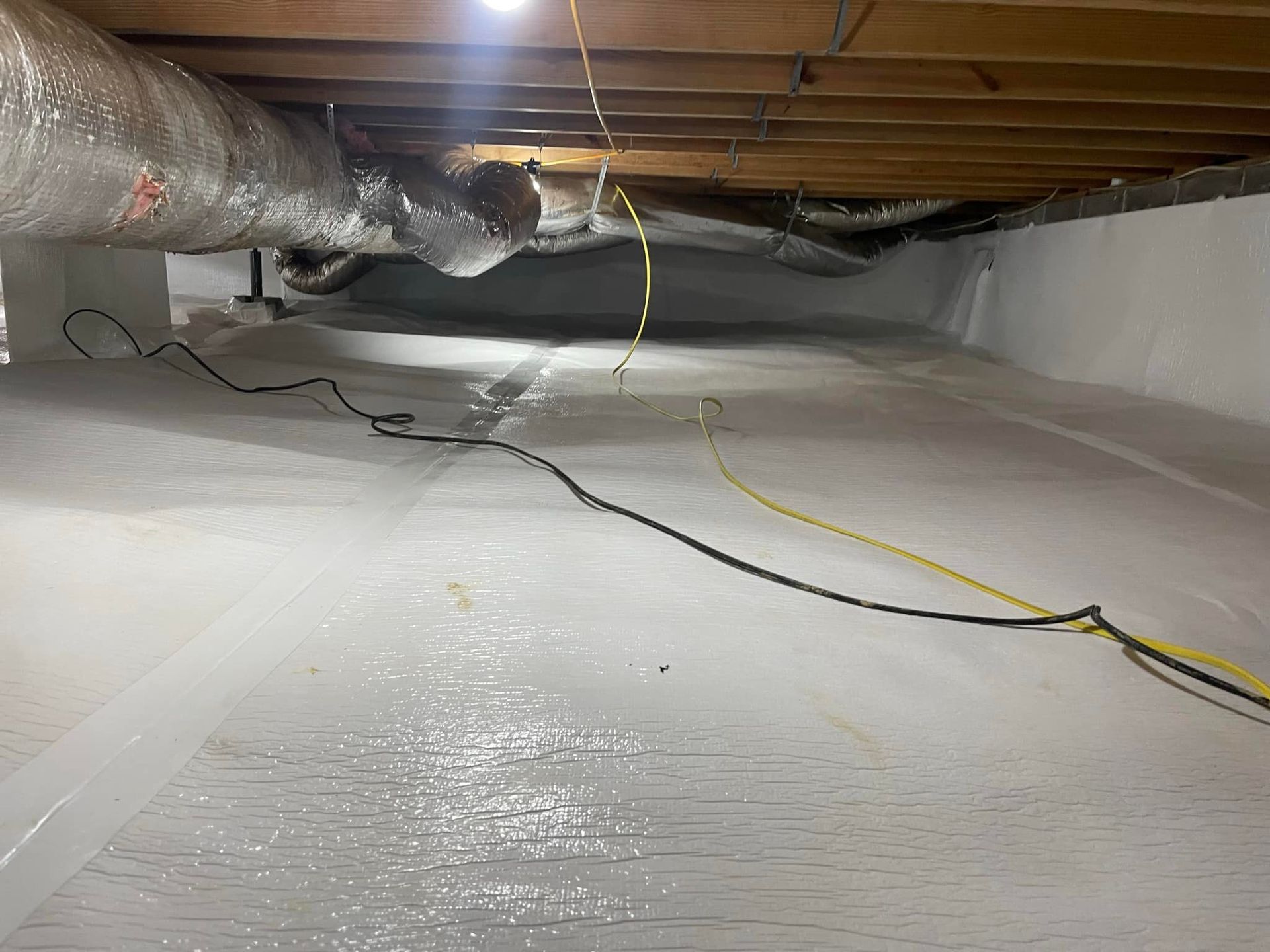
The Bandaid Approach That Never Works
The homeowners in Rockwood did what most people do - they replaced the worst sections as problems showed up. Fix one area, then another pops up a year later. It feels like you're staying on top of it, but you're really just chasing the same problem around your crawl space.
Here's why that doesn't work: you're treating the symptom, not the cause. The moisture that destroyed the first section is still there, working on the rest of your ductwork. Eventually, you'll need to replace the entire system - a repair that could cost thousands.
The real cost isn't just the ductwork repairs. It's the money leaking out of your ducts every single month while you wait for the next section to fail.
How Encapsulation Stops the Damage
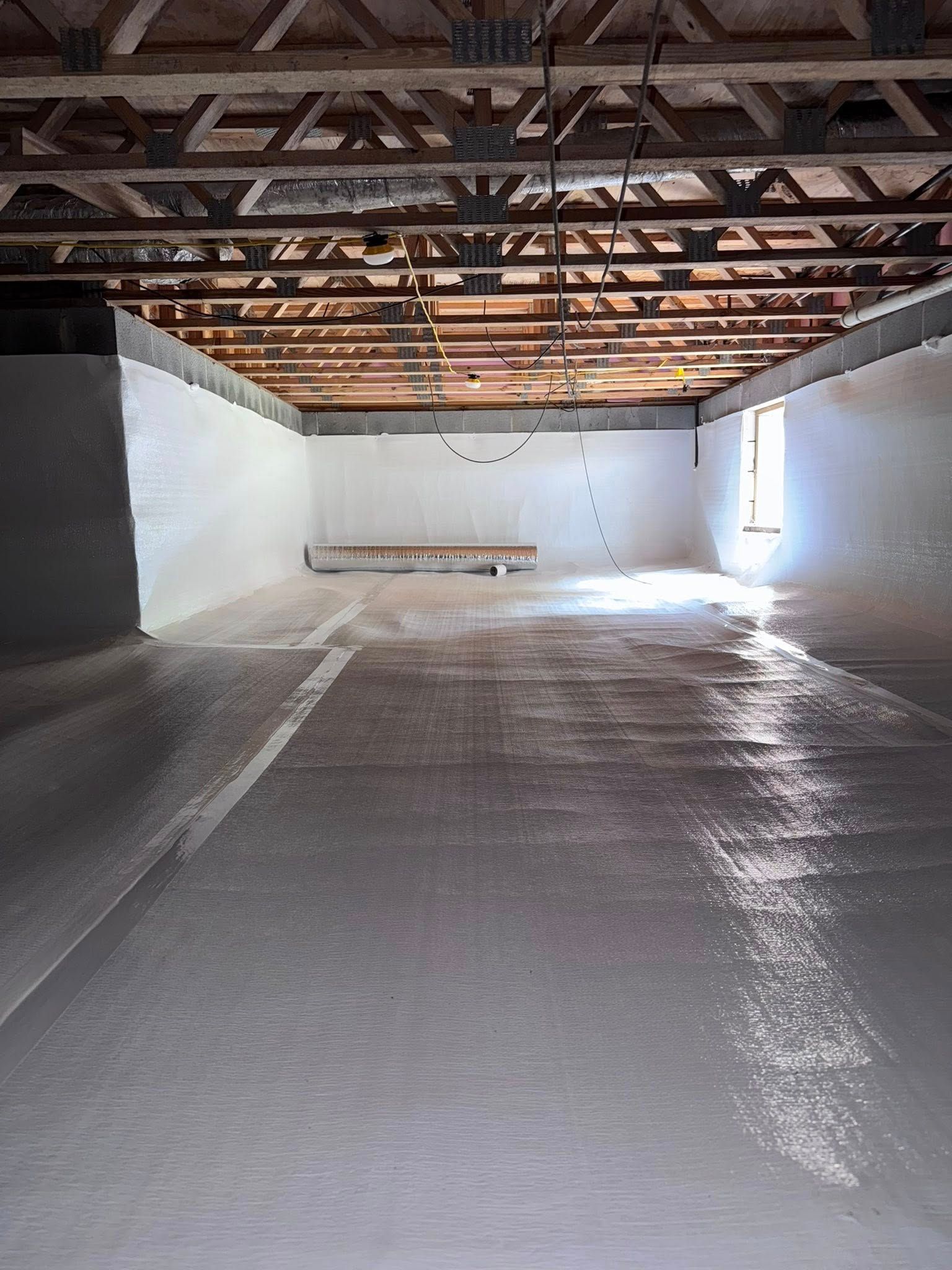
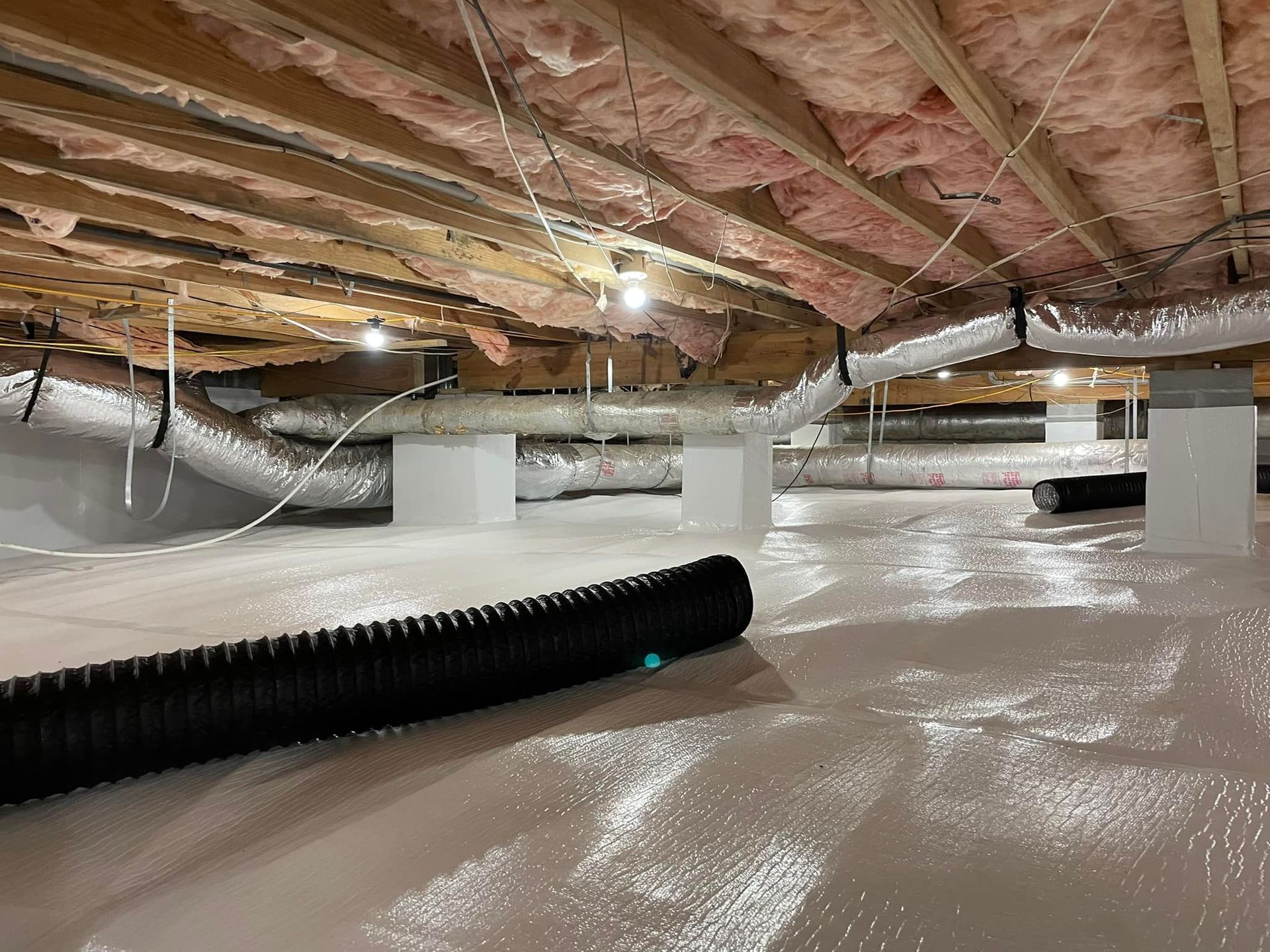
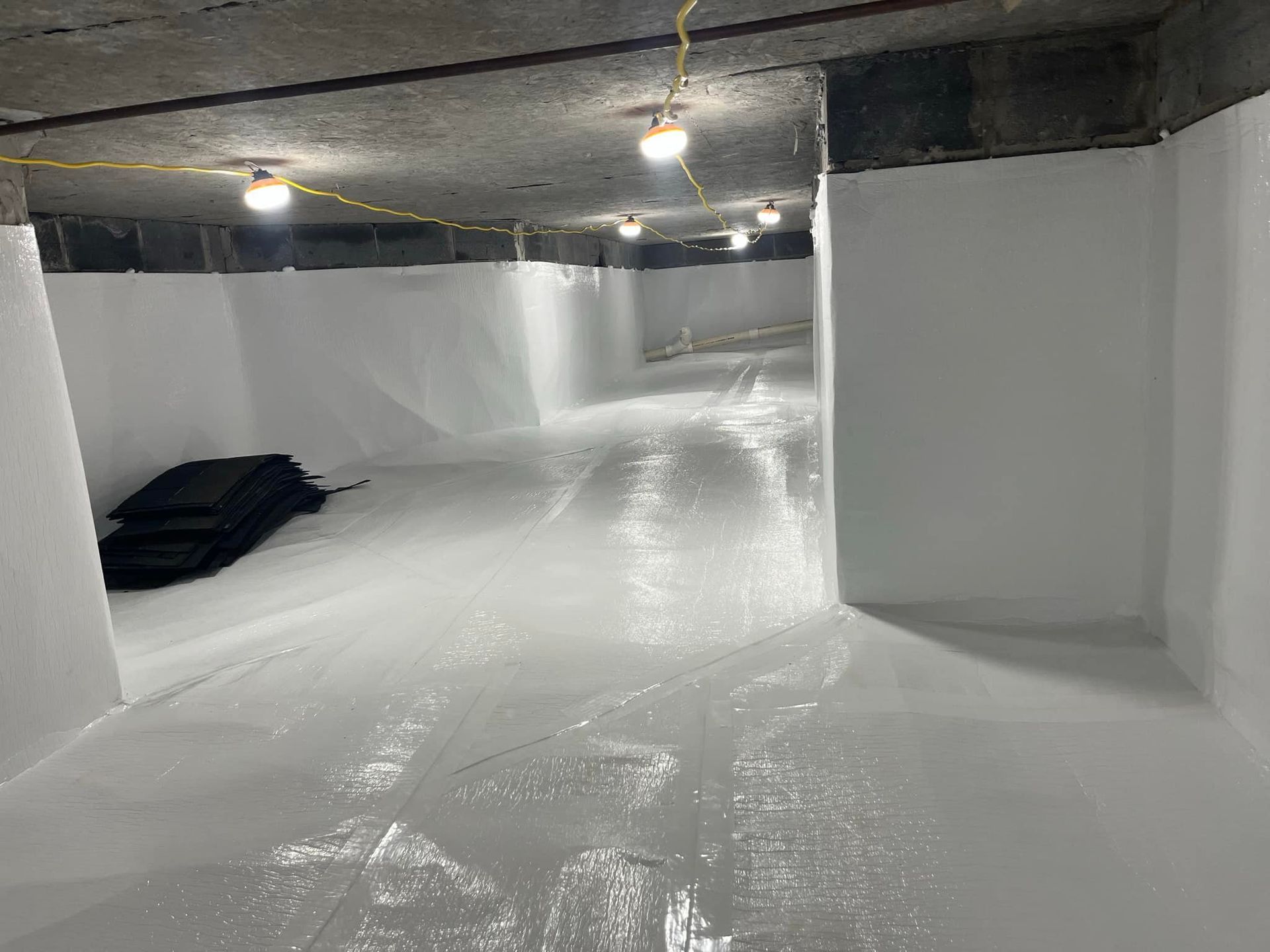
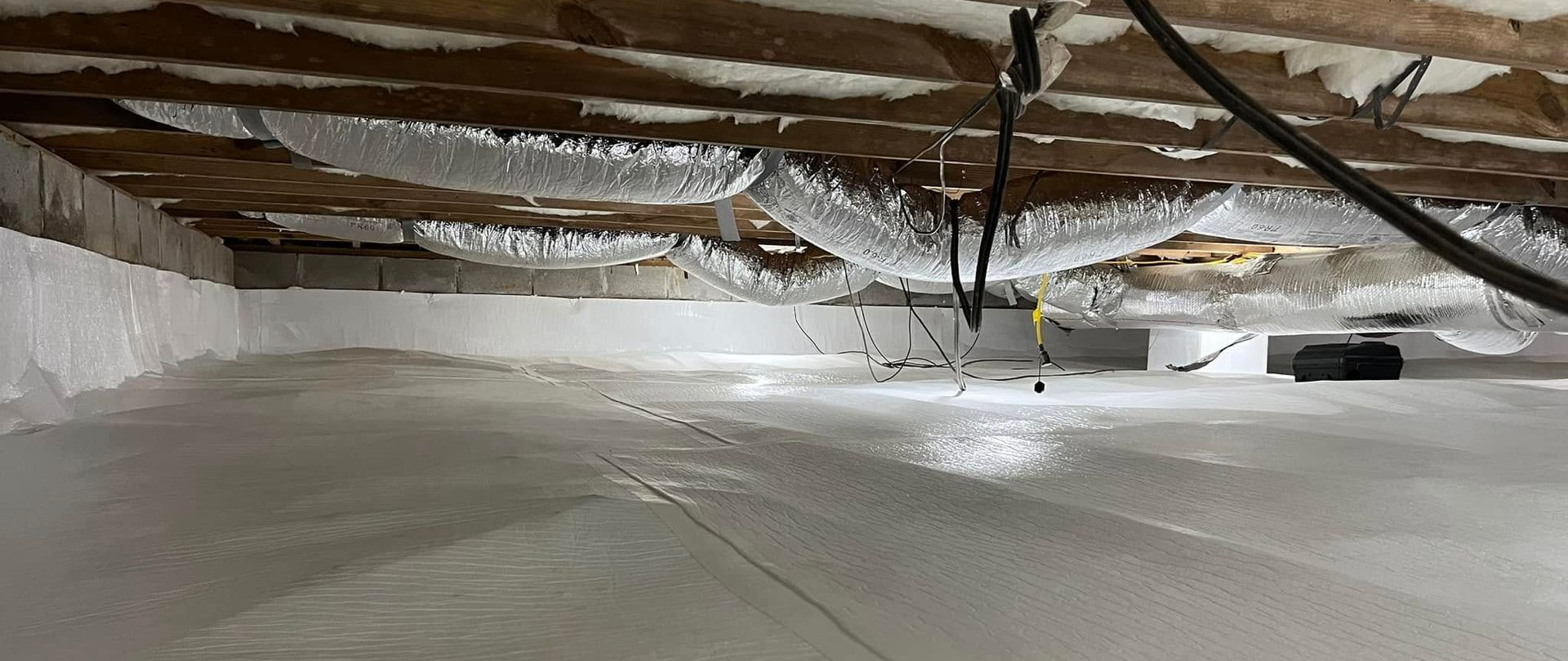
Once we encapsulate a crawl space and control the humidity, the deterioration stops. Your ductwork won't sweat anymore. Those joints won't keep separating. The materials won't keep breaking down.
For this Rockwood home, we'll clean out the old vapor barrier, treat the fungal growth, and seal the space properly. Then we'll install a permanent dehumidifier to regulate the humidity year-round.
That protection extends to everything in your crawl space - not just the ducts. Your floor joists stay solid. Your insulation stays in place. Your entire HVAC system works the way it's supposed to, heating your home instead of your crawl space.
Signs Your Crawl Space Is Costing You Money
You might be dealing with the same issues without realizing it. Here's what to watch for:
- Your system runs constantly but rooms stay uncomfortable
- Energy bills keep rising with no explanation
- Some rooms are always colder or hotter than others
- You smell musty odors when the heat or AC kicks on
- You've replaced ductwork sections multiple times
Any of these signs point to moisture problems affecting your HVAC efficiency. The longer you wait, the more money disappears into that crawl space every month.
Protect Your Investment Before It's Too Late
Look, I get it. Crawl space work isn't exciting. But think about what you're spending on energy bills right now. Think about the ductwork repairs you've already paid for, and the ones you'll need in the future if nothing changes.
Encapsulation isn't just about fixing what's broken today. It's about protecting your HVAC investment and stopping the money drain. When you control the moisture, you save on energy costs, avoid repeated repairs, and keep your system running efficiently for years.
We'll come out, assess exactly what's happening in your crawl space, and give you honest recommendations about what needs attention. No games, no pressure - just straight answers about protecting your home and your wallet.