Do You Really Need Foam Board in Your Crawlspace?
The Foam Board Question
BEING HONEST ABOUT WHAT WORKS AND WHAT DOESN'T
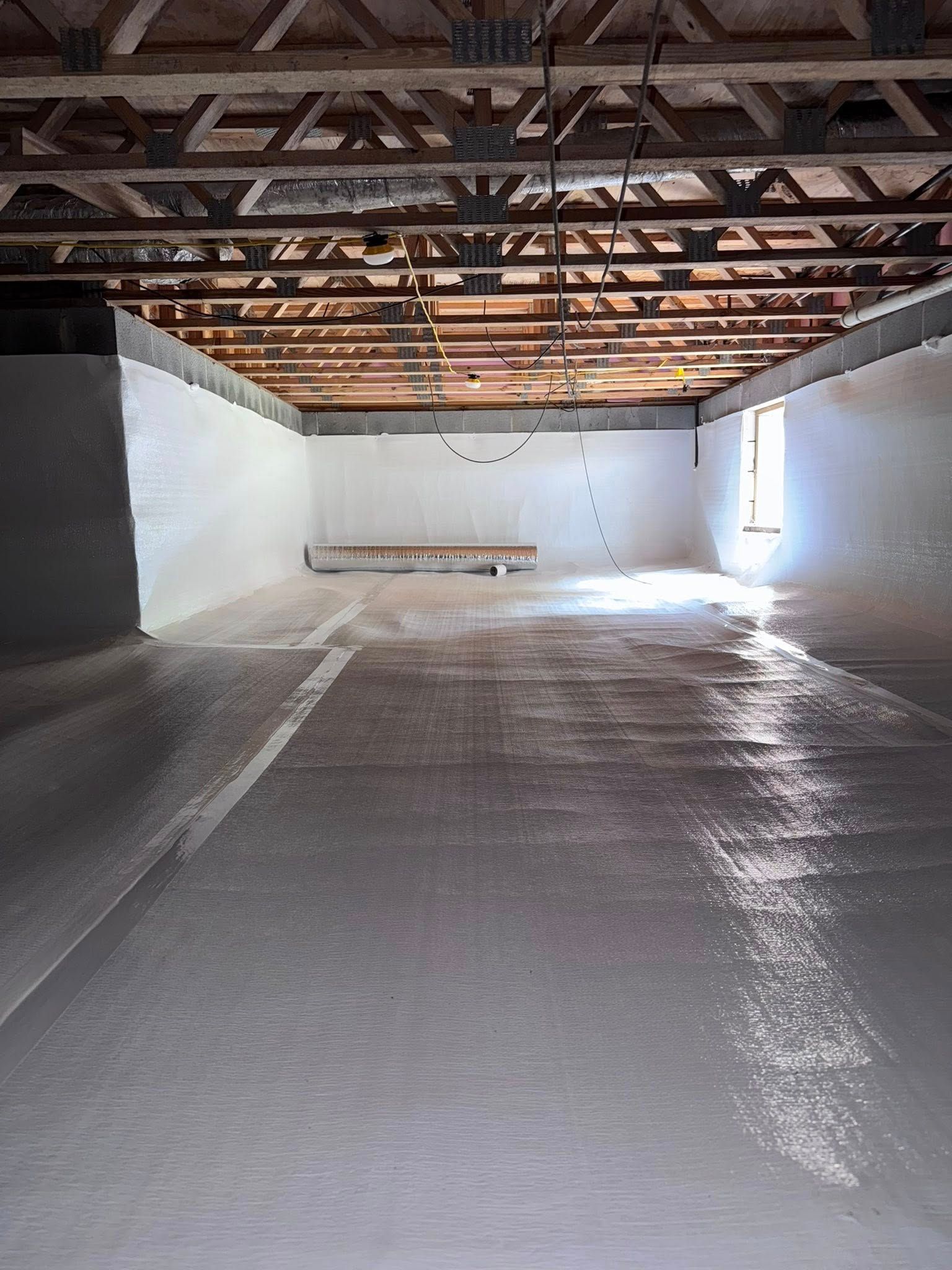
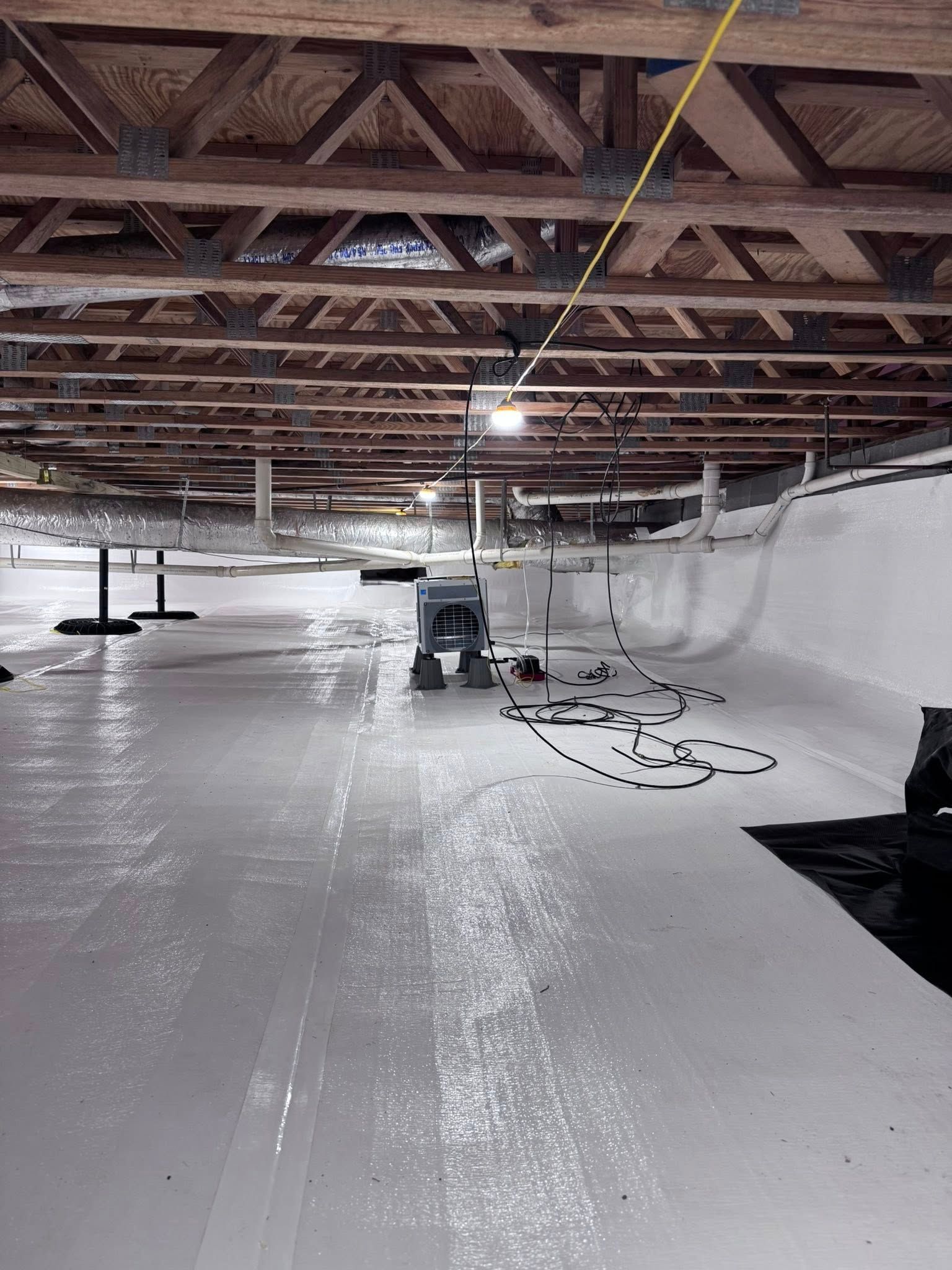
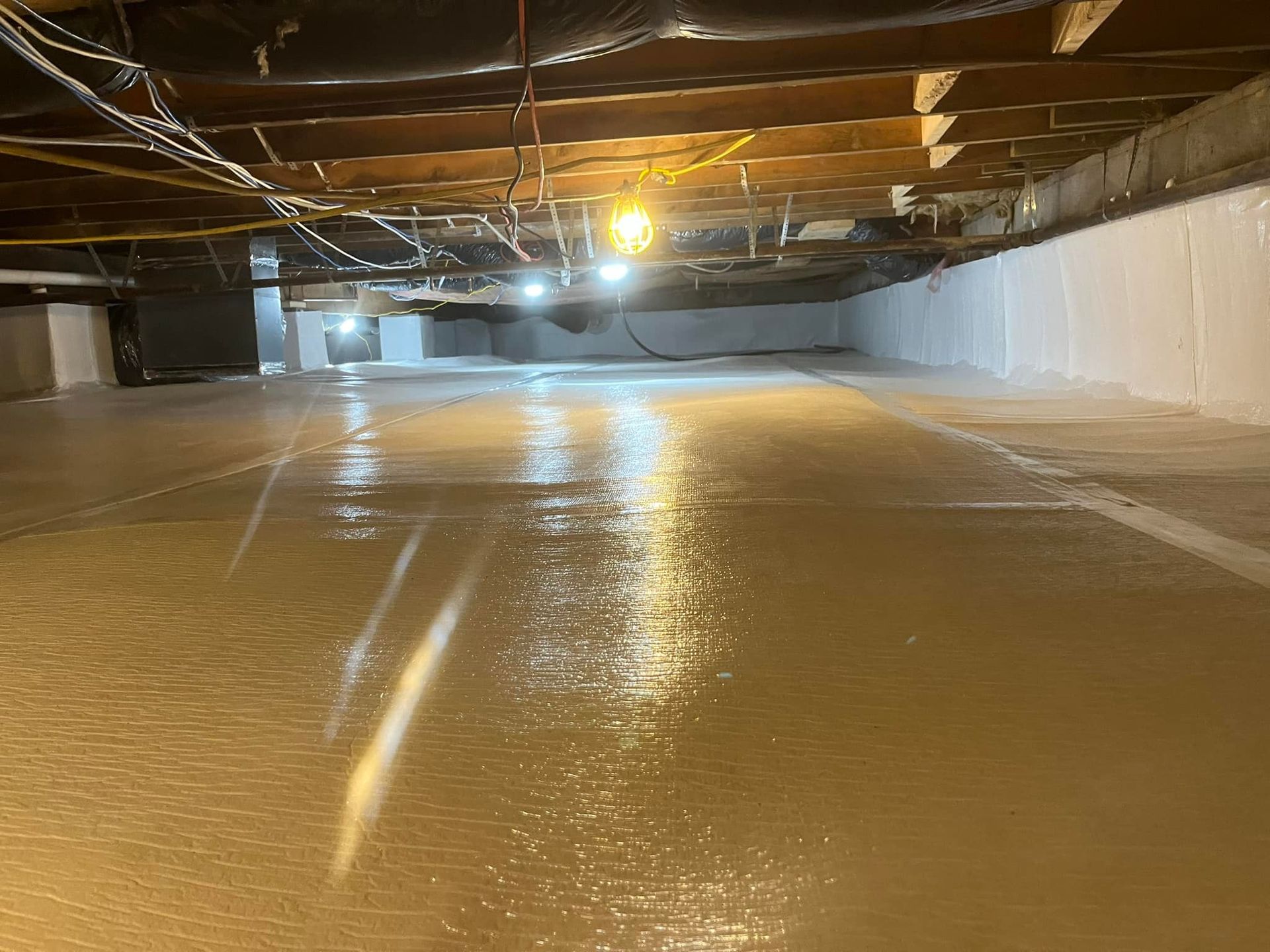
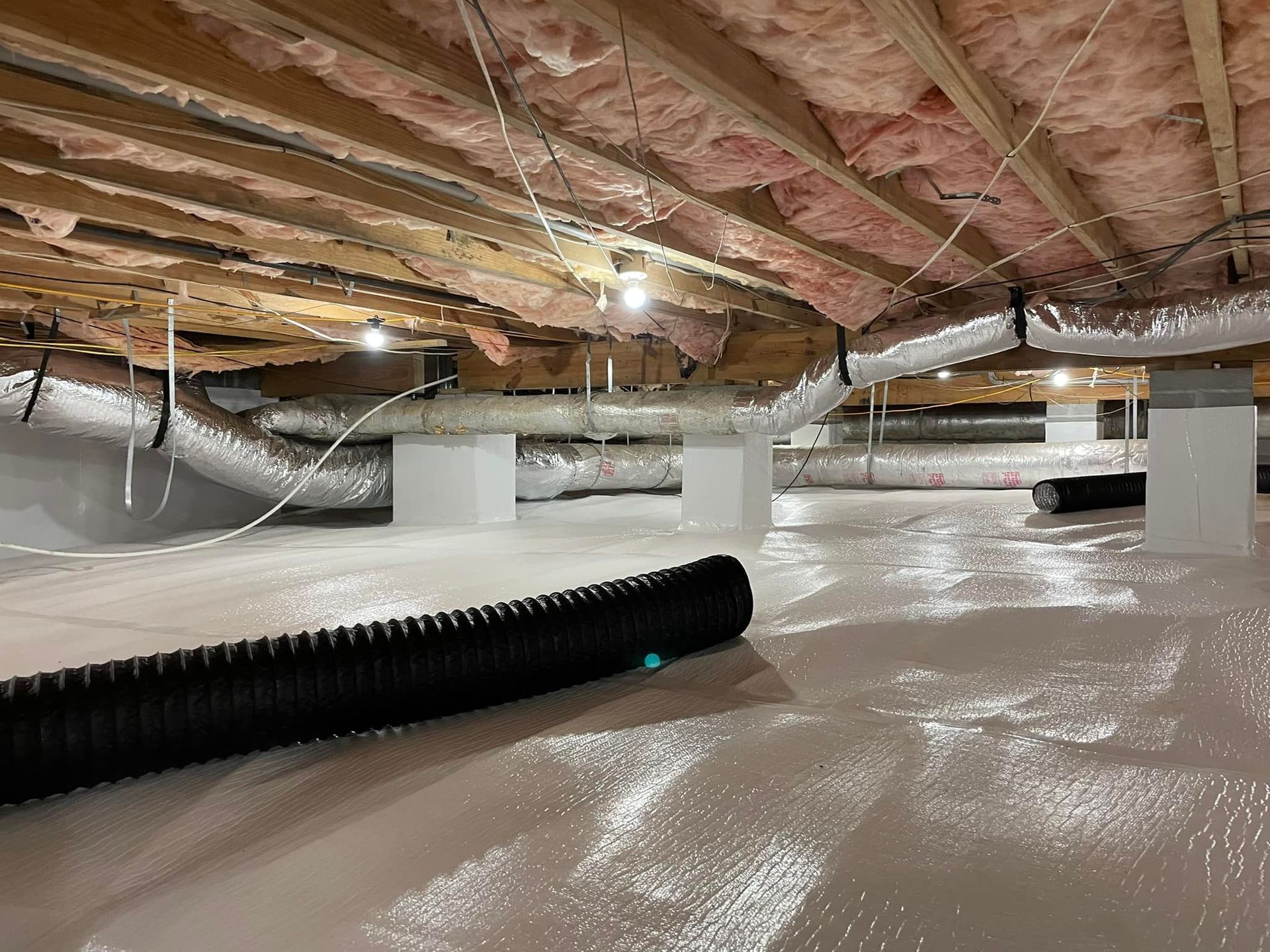
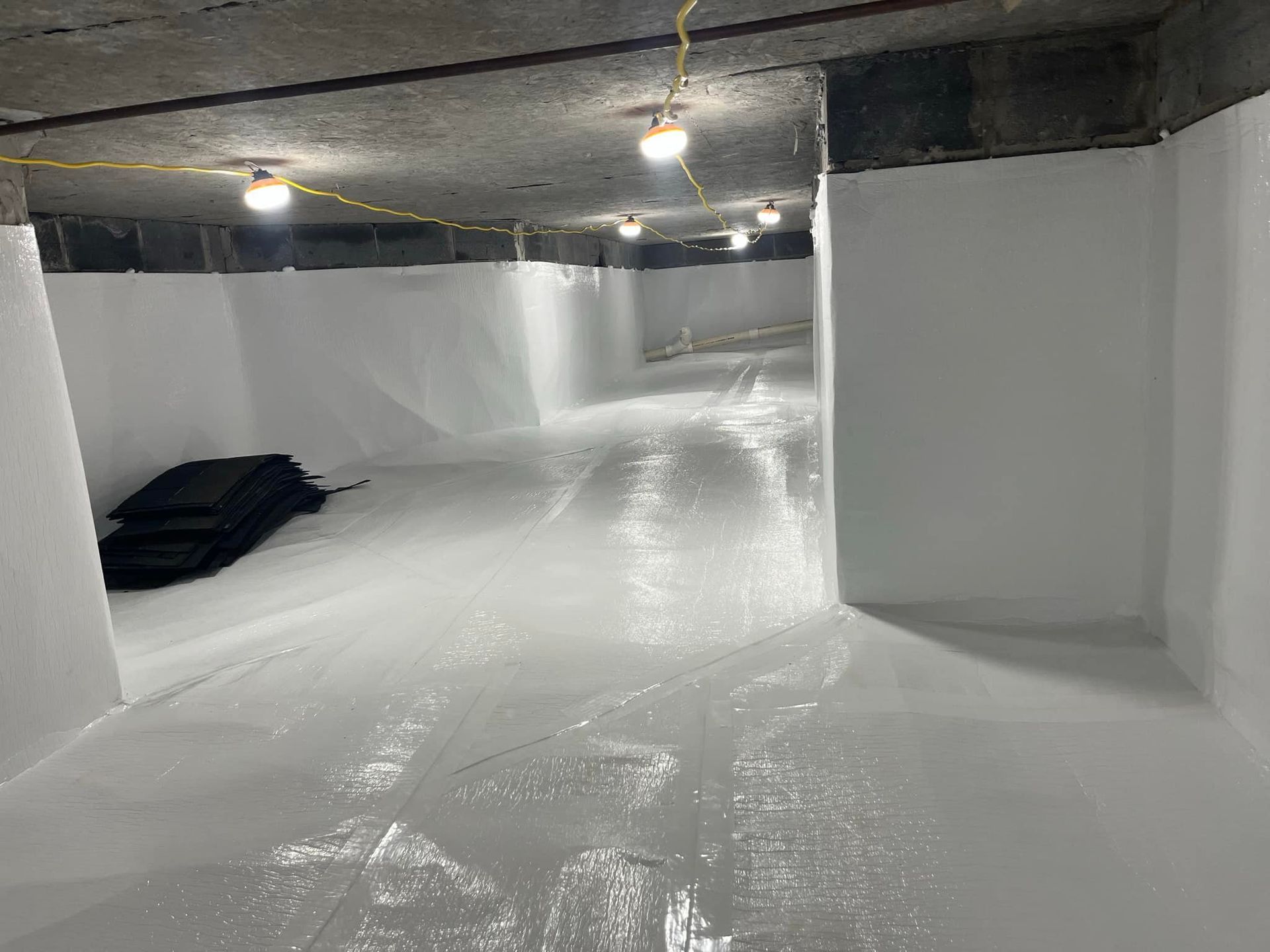
I was out in Farragut this week working on a crawlspace encapsulation. We'd already pulled the old insulation, treated the subfloor, and installed a sump pump. The crew was putting foam board on the walls when I stopped by.
Here's the thing - foam board on crawlspace walls doesn't do much. We've tested it. We've looked at the data. In a properly encapsulated crawlspace, it doesn't move the needle.
But the customer specifically requested it. So we installed it.
You might be wondering why I'd install something I don't think works. Fair question. The answer is simple - it's their crawlspace and their money. My job is to tell them what I know, give them honest advice, and then let them decide.
I'm not going to refuse to do something just because I wouldn't spend my own money on it. As long as it's not going to cause problems, I'll do what the customer wants.
But I do think it's worth talking about what actually protects your crawlspace. Because there's a lot of products out there that sound good but don't really deliver. And I'd rather you spend your money on the stuff that actually matters.
What This Customer Asked For
These customers had done their homework. They'd been reading about crawlspace encapsulation. They'd seen foam board mentioned as part of the process. And they wanted it included in their job.
I respect that. A lot of contractors get frustrated when customers have opinions or make requests. Not me. I'd rather work with someone who cares enough to ask questions than someone who just wants the cheapest price and doesn't think about it again.
When they asked about foam board, I was straight with them. I told them what our experience has been. I explained that in a properly encapsulated crawlspace with a good vapor barrier and dehumidifier, foam board doesn't add much value. The insulation benefit is minimal when you're already controlling the environment.
They heard me out. They understood. And they still wanted it.
That's fine. It's not going to hurt anything. It just costs extra money for something that's not doing heavy lifting. But it was important to them, so we included it in the scope.
The key is that they made an informed decision. They knew my opinion. They knew what the research shows. And they chose to go ahead with it anyway. That's how it should work.
The Truth About Foam Board
Look, I'm not saying foam board is terrible. I'm saying it doesn't do what most people think it does in a crawlspace.
The idea makes sense on paper. Insulate the walls, keep the temperature more stable, save some energy. And in certain situations - like a basement or a conditioned space - foam board can make a real difference.
But in a crawlspace? Especially one that's properly encapsulated? The impact is minimal.
We've done the testing. We've monitored crawlspaces with foam board and without it. And when you've got a good vapor barrier stopping ground moisture and a dehumidifier keeping humidity controlled, the foam board isn't adding much.
The vapor barrier is already creating a thermal break. The dehumidifier is already controlling the environment. Adding foam board on top of that gives you maybe a tiny bump in insulation value. Not enough to justify the cost for most people.
Now, are there situations where it might make sense? Sure. If you've got a crawlspace that's being used for storage and you want it to feel a little more comfortable, foam board can help. If you're in an area with extreme temperature swings and you want every bit of insulation you can get, it's not going to hurt.
But for protecting your home from moisture, mold, and structural issues? Foam board isn't the thing doing that work.
What Actually Protects Your Crawlspace
If foam board isn't the answer, what is? Let me break down what actually matters.
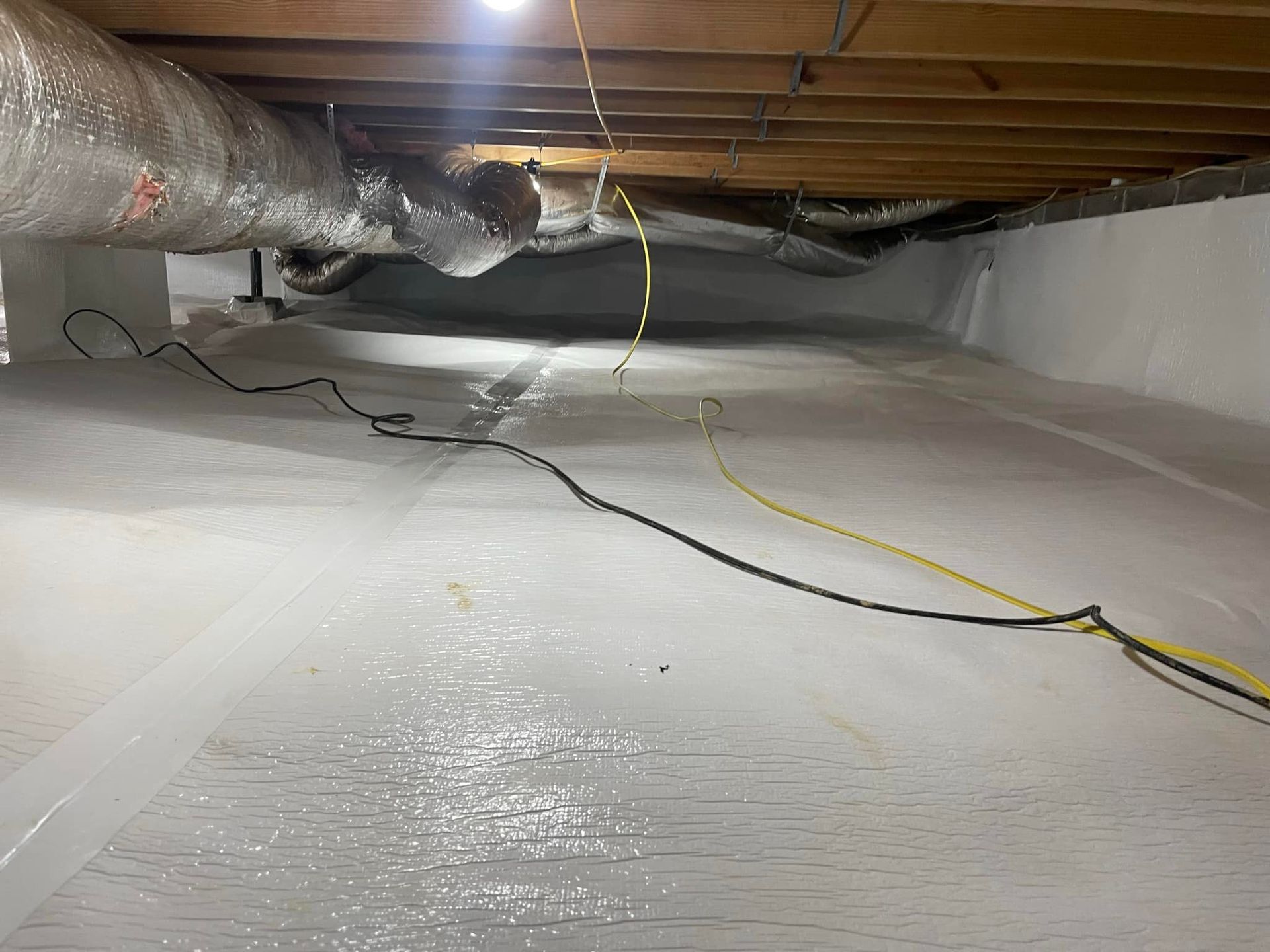
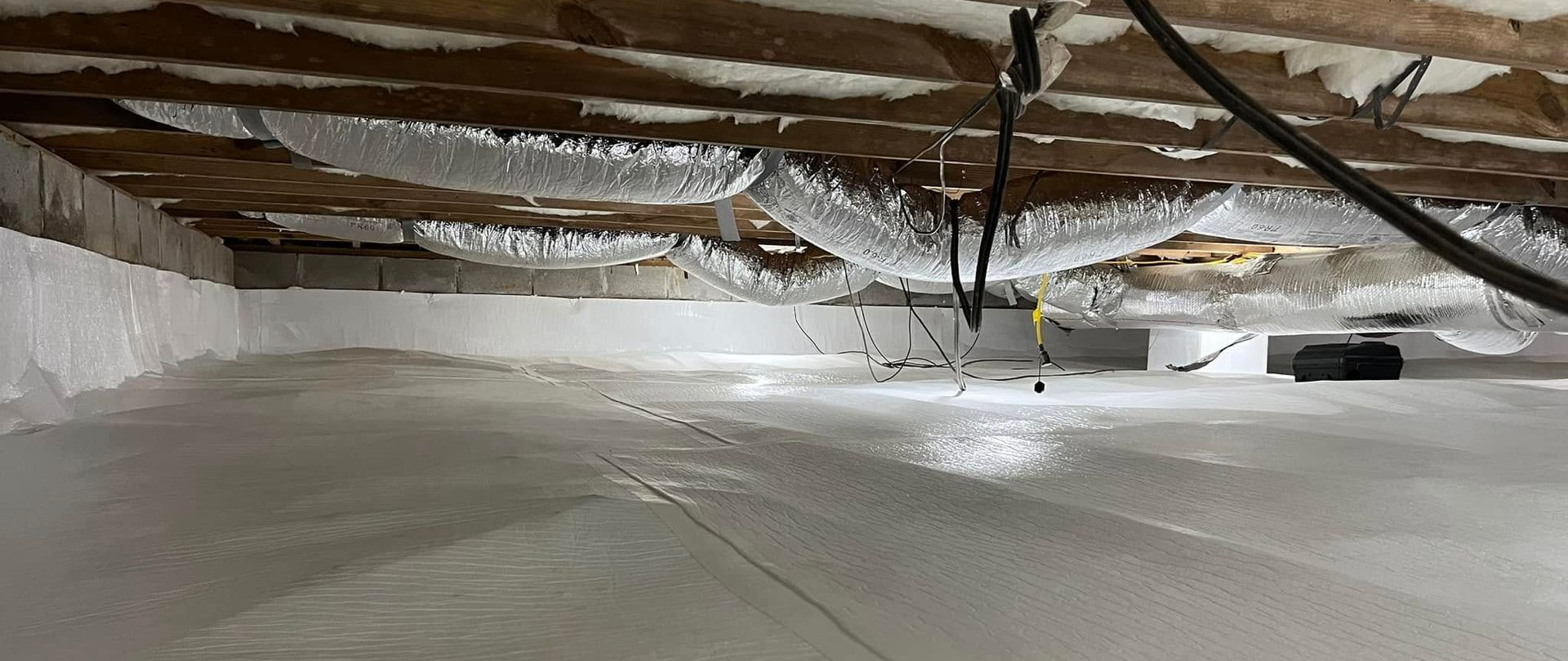
A quality vapor barrier is your first line of defense. This is what stops moisture from the ground from getting into your crawlspace. We use thick barriers - 10 mil or more - that are warrantied against breakdown. This is not negotiable. If your vapor barrier is thin or poorly installed, nothing else matters.
Proper drainage handles standing water. If you've got water pooling in your crawlspace, you need a sump pump or drainage system to get it out. At this Farragut job, we installed a sump pump because there was standing water right by the door. That water needs to go somewhere, and it's not going to evaporate on its own.
A dehumidifier controls humidity levels. This is the big one most people don't understand. Even without standing water, you can have high humidity in a crawlspace. And anything above 60% relative humidity is where mold and wood rot start to happen. A properly sized dehumidifier keeps your crawlspace dry and your wood safe.
Correct installation matters more than anything. You can have the best materials in the world, but if they're installed wrong, they won't work. The dehumidifier needs to drain properly - not into the dirt like I showed in that other crawlspace. The vapor barrier needs to be sealed at the seams and attached to the walls correctly. The sump pump needs to discharge away from the foundation.
That's what protects your crawlspace. Not foam board. Not fancy add-ons. Just good materials installed correctly by people who know what they're doing.
How I Handle Customer Requests
I don't believe in telling customers what to do. That's not my job.
My job is to give you the information you need to make a good decision. I'll tell you what I've learned in 12 years of doing this work. I'll show you what our testing says. I'll explain what's going to protect your home and what's just extra.
But at the end of the day, it's your house and your money.
If you want foam board after I've explained that it won't do much, I'll install it. If you want a certain brand of dehumidifier because you've had good experiences with that company, we'll use it. As long as what you're asking for isn't going to cause problems down the road, I'm happy to do it.
The difference is you're making an informed decision. You're not being sold something you don't understand. You know what you're getting and why.
That's a very different thing from a salesperson pushing products to hit a quota. I'm not trying to maximize what you spend. I'm trying to make sure your crawlspace actually works.
Sometimes that means talking customers out of things they think they need. Sometimes it means installing things I wouldn't personally spend money on. Either way, I'm being straight with you about what I know.
You can disagree with my opinion and still get great work from us. Because at the end of the day, I care more about doing the job right than being right.
What to Actually Spend Your Money On
If you're getting crawlspace work done and you want to know where your money should go, here's my honest answer.
Spend money on a thick, quality vapor barrier. This is your foundation. Don't cheap out here. Get something 10 mil or thicker that's warrantied against breakdown. Make sure it's installed correctly with sealed seams and proper attachment to the walls.
Spend money on a properly sized dehumidifier with correct drainage. The dehumidifier is what keeps your crawlspace dry long-term. It needs to be the right size for your space. And it needs to drain to a condensate pump or directly outside - never into the dirt under your vapor barrier.
Spend money on drainage if you need it. If you've got standing water, you need a sump pump or perimeter drain. Don't skip this thinking it'll go away on its own. It won't.
Spend money on proper insulation where it matters. Insulate your rim joist and foundation walls if you're doing a full encapsulation. This is different from foam board - this is actual insulation in the right places that makes a real difference.
Spend money on a contractor who knows what they're doing. Experience matters. Someone who's actually installed these systems and can explain why they're doing what they're doing is worth more than saving a few hundred bucks with the cheapest quote.
What you don't need to spend money on? Add-ons that sound good but don't deliver. Sealants on wood. Fancy monitoring systems you'll never look at. Products that duplicate what you're already getting from your vapor barrier and dehumidifier.
Get the basics right first. Everything else is just extra.
Take the Next Step
If you're trying to figure out what your crawlspace actually needs, let's talk.
I'll come out and do a real inspection. I'll show you what's going on down there. And I'll tell you exactly what needs to be done to protect your home - not what needs to be done to maximize my profit.
You'll get pictures. You'll get a clear explanation of what's happening and why. And you'll get options that actually make sense for your situation and your budget.
I'm not going to push products you don't need. I'm not going to play pricing games. I'm just going to give you honest information so you can make a good decision.
If you want foam board after we talk, fine. If you don't, that's fine too. Either way, you'll know exactly what you're getting and why.