Whole-Home Humidifiers: When Good Ideas Turn Into Expensive Problems
Why Most HVAC Humidifiers Fail Within Five Years
A crawl space inspector explains what happens when home comfort features become maintenance nightmares
I was doing an inspection in Knoxville yesterday, and right there attached to the HVAC system was a whole-home humidifier.
AprilAire brand - good quality stuff.
But when I looked closer, water was dripping straight out of the bottom.
This isn't unusual. In fact, I see it all the time.
Whole-home humidifiers sound great on paper.
They promise better air quality, more comfortable winters, and healthier indoor environments.
Who wouldn't want that?
The idea of adding moisture to dry winter air makes perfect sense, especially when you're dealing with static electricity and dry skin.
But here's what nobody tells you when these get installed: they rarely last more than five years before they start causing problems.
And when they fail, they don't just stop working - they start leaking water in places you definitely don't want water.
What I Find on Almost Every Inspection
After thousands of crawl space inspections, I've developed a pretty good sense of what I'm going to find. And whole-home humidifiers? They're almost always problem areas.
The unit I found yesterday is typical. Water dripping from the bottom, a huge gap where it connects to the ductwork, and moisture building up right where we're trying to keep things dry. That gap isn't just wasting energy - it's pulling crawl space air directly into your HVAC system and spreading it throughout your house.
I've seen this with every brand out there. It doesn't matter if you spent top dollar or went budget - they all fail around the same timeframe. The water feed line starts leaking, the misting system clogs up, or the connection points deteriorate.
And because these units are usually tucked away out of sight, most homeowners don't realize there's a problem until water damage shows up somewhere else.
The Real Cost of a Failing Humidifier
When your whole-home humidifier fails, you're not just dealing with a broken appliance. You're dealing with water where it shouldn't be, air quality issues, and energy waste.
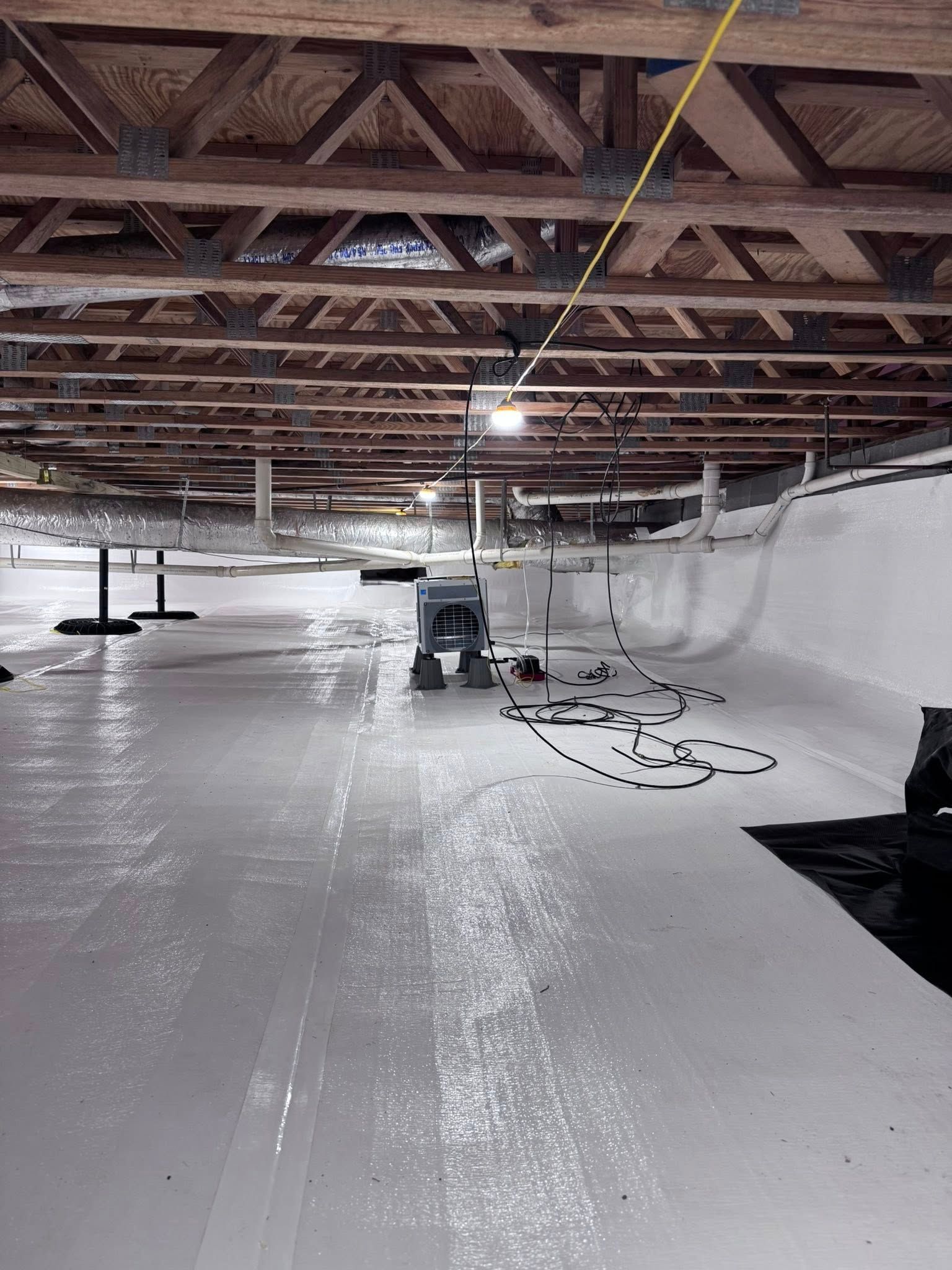
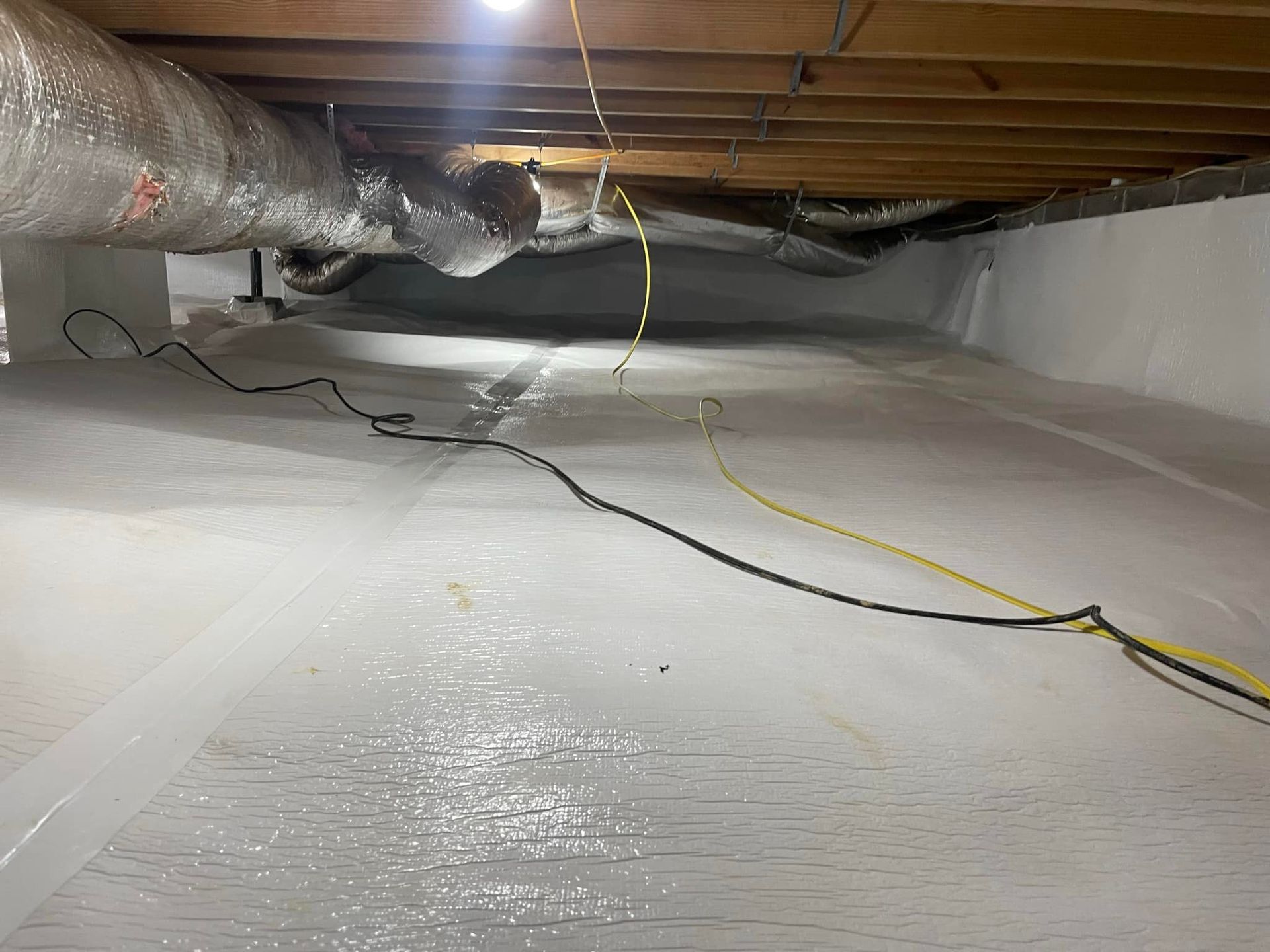
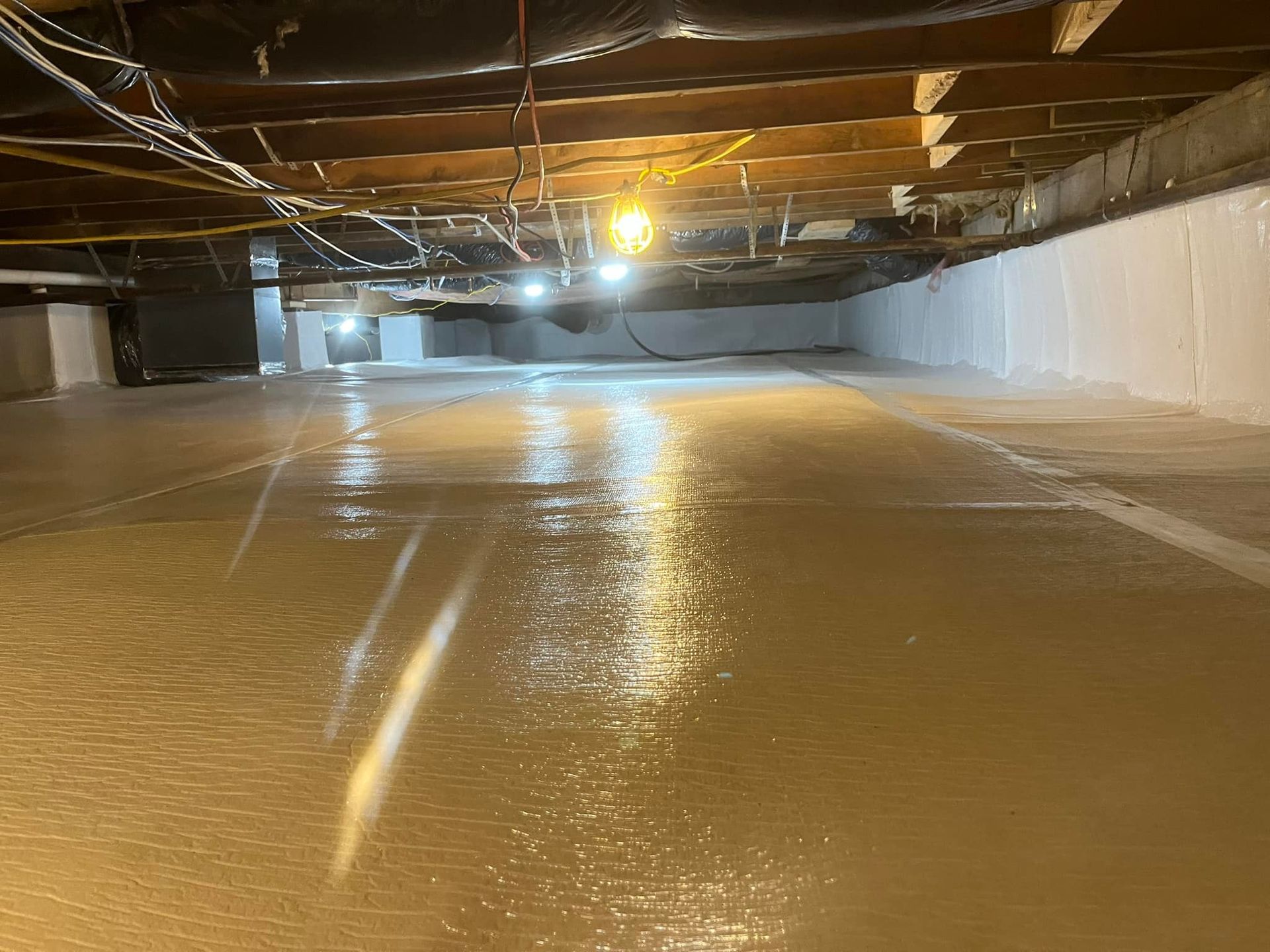
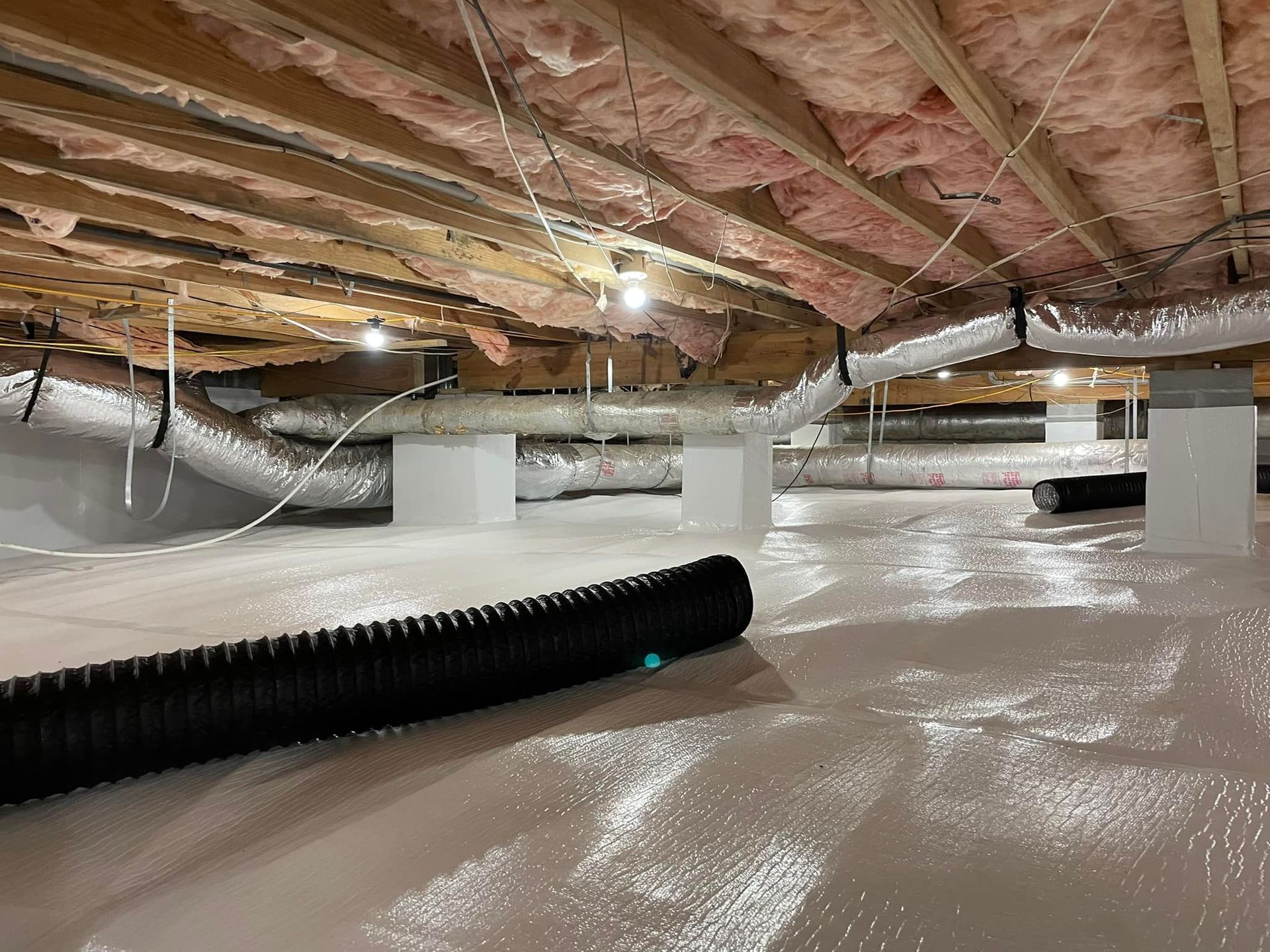
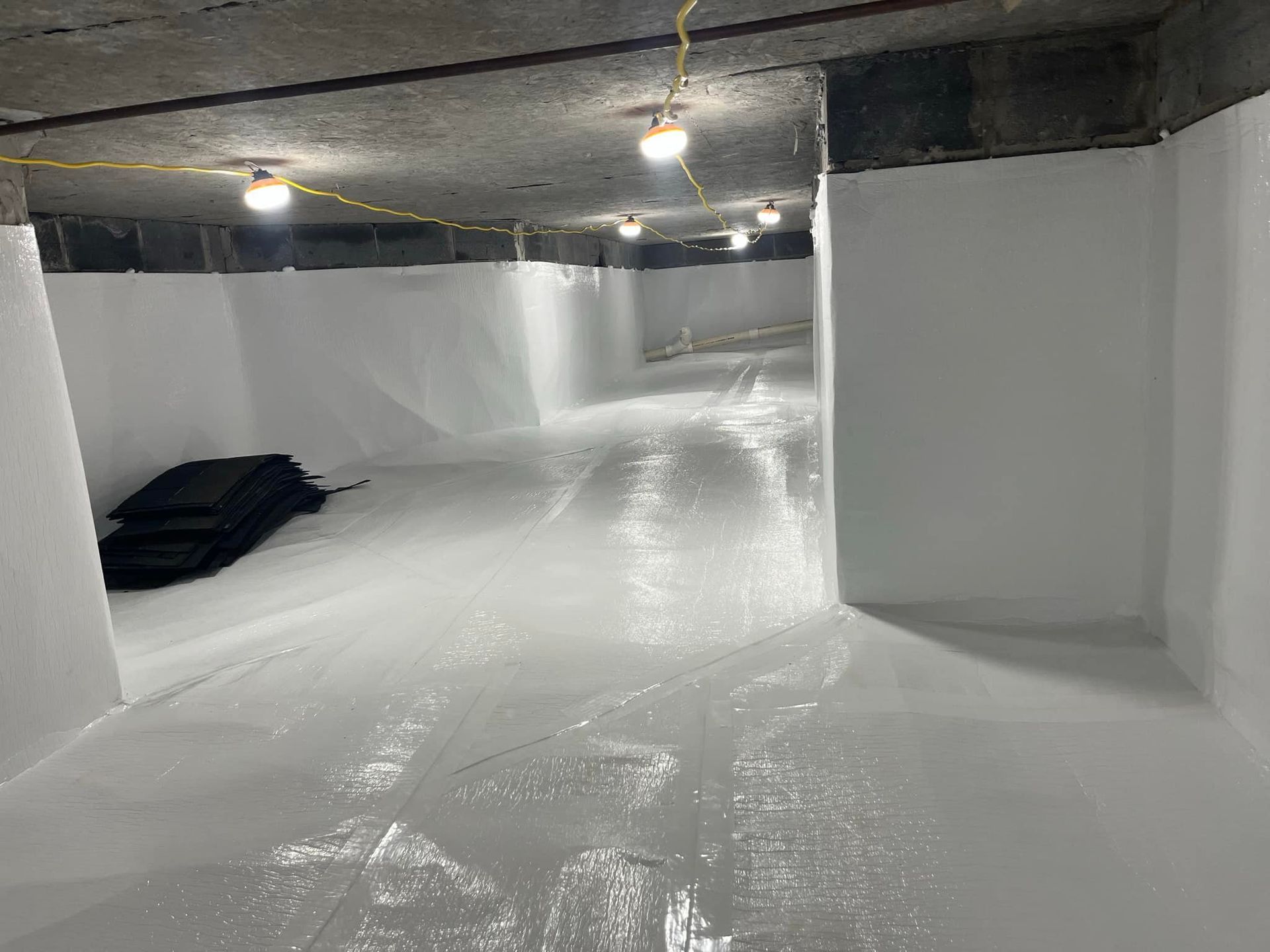
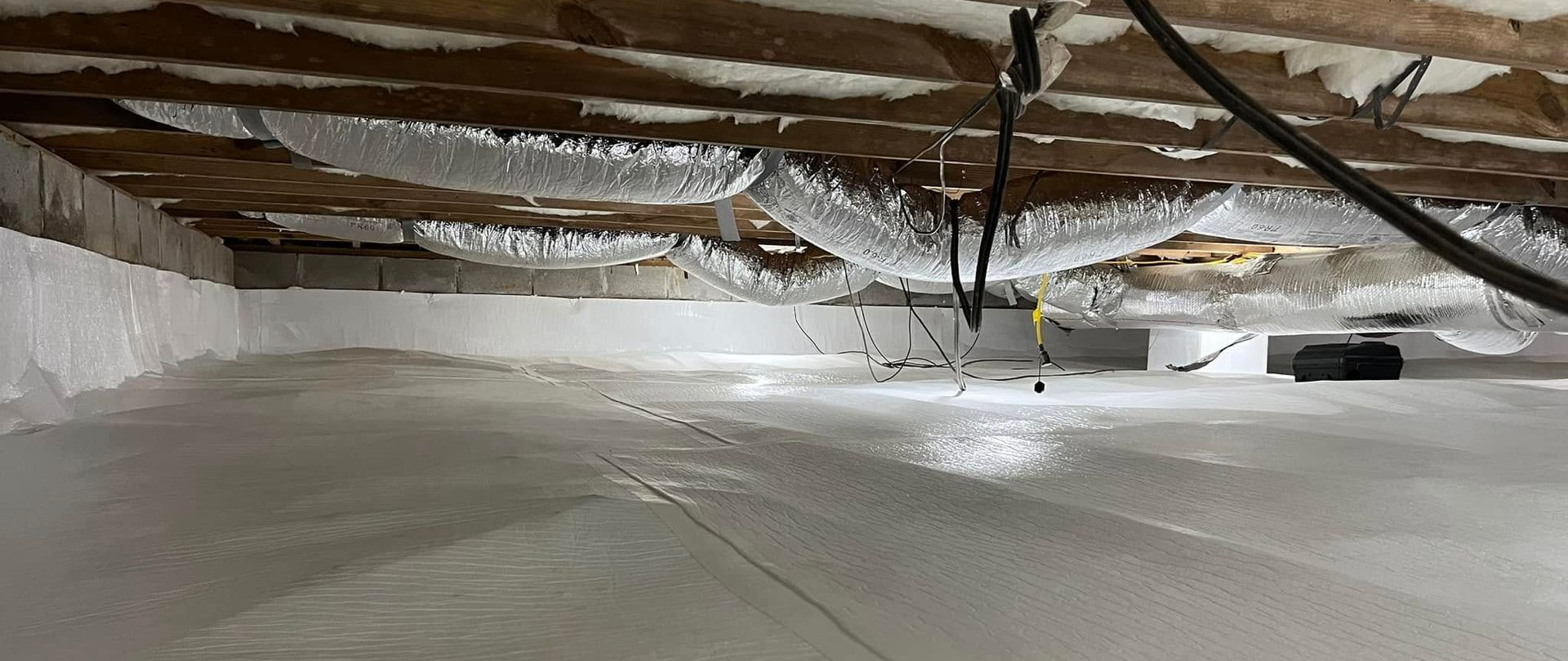
That water dripping from the unit? It's creating moisture problems in your crawl space - the exact thing we're trying to prevent with proper ventilation and encapsulation. Add in the gaps around ductwork connections, and you're pulling humid crawl space air into your living space.
Your energy bills go up because your HVAC system is working harder. Your air quality goes down because you're circulating air from spaces that shouldn't connect to your living areas. And if the leak goes unnoticed long enough, you're looking at potential mold growth and wood damage.
The fix isn't cheap if you wait too long. But the good news? Catching it early and removing the unit is usually straightforward and affordable.
Why These Units Cause More Problems Than They Solve
Here's the thing about whole-home humidifiers - they need regular maintenance that most people never do. The water feed lines need checking, the misting systems need cleaning, and the connections need inspecting.
But even with perfect maintenance, these units just aren't built to last. The constant exposure to moisture wears them down. The connection points where they attach to your ductwork become weak spots. And in our area where humidity is already high most of the year, adding more moisture to your system rarely makes sense.
I can't remember the last time I found a humidifier older than five years that was working properly without causing some kind of issue. That's not a coincidence - it's a pattern.
What to Do If You Have One
Don't panic, but don't ignore it either. Go check on your humidifier now. Look for water around the unit, check the connections to your ductwork, and see if there are any gaps where air could be leaking.
If you see water, gaps, or signs of corrosion, it's time to make a decision. You can try to repair it, but most of the time removal is the smarter choice. We can take the unit off, properly cap the HVAC system where it connected, and seal up any gaps in the ductwork.
The best part? Your system usually works better without it. Less maintenance, no leak risks, and one fewer thing to worry about..
Protect Your Home From Hidden Damage
Look, I get it. Nobody wants to add another item to their home maintenance list. But if you have a whole-home humidifier attached to your HVAC system, it's worth a quick check.
We can come out, inspect your crawl space and HVAC connections, and give you honest advice about what needs attention. If your humidifier is causing problems, we'll explain your options for removal and proper sealing. If everything looks good, we'll let you know that too.
Don't wait until a small leak turns into a big problem. A quick inspection now can save you money and headaches down the road.