Radon Mitigation and Crawl Space Encapsulation: Why They Work Better Together
The Smart Way to Protect Your Home from Radon
Why combining these solutions gives you better results and long-term peace of mind
I see this all the time.
Homeowners buy one of those radon test pucks, place it somewhere in their house, send it off to a lab, and wait for results.
They get a number back and think they're done.
But here's the problem - that single test only tells you what radon levels were in one spot during a specific timeframe.
It doesn't show you the full picture of what's happening in your home.
Radon levels change.
They vary from room to room and day to day.
That's why I recommend digital monitors to my customers.
You can move them around your house to see where radon actually concentrates.
Check your living room today, your bedroom tomorrow, your kitchen next week.
Now you know what you're actually breathing in the spaces where you spend the most time.
How Radon Really Works in Your Home
Radon is a naturally occurring gas that comes from the ground beneath your house. It's radioactive, but you can't see it, smell it, or taste it. The only way to know if you have a radon problem is through proper testing.
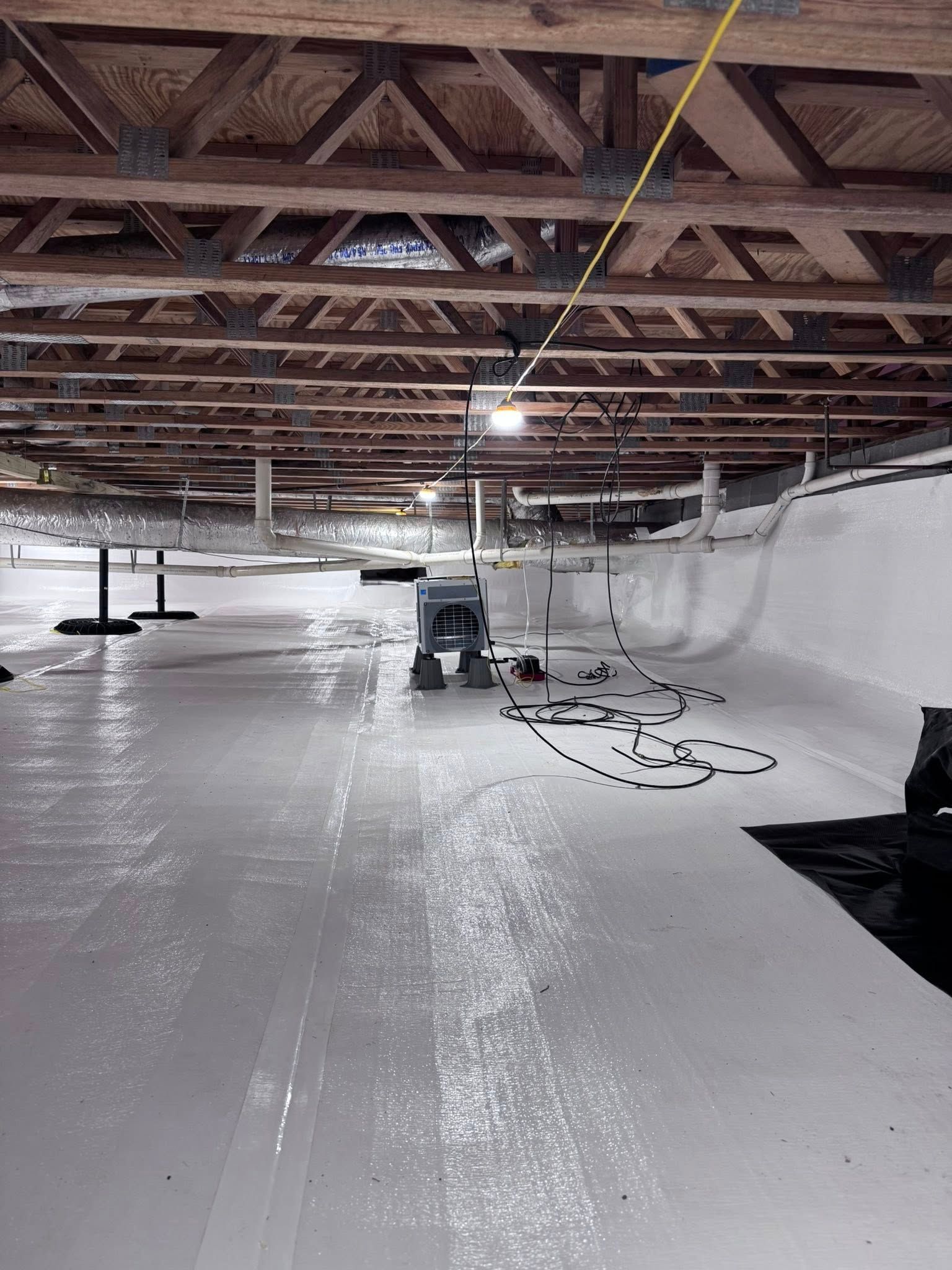
Your crawl space is one of the main entry points. The gas seeps up through soil and concrete, then rises into your living areas through gaps and cracks. Once it's inside, it can concentrate in certain rooms depending on airflow and ventilation.
The health risk is real. Radon is the second leading cause of lung cancer in the United States. Long-term exposure increases your risk significantly, especially if levels are high in rooms where you spend a lot of time.
That's why testing and mitigation matter. But here's what most people don't realize - the way your crawl space is set up directly affects how well radon mitigation works.
Why Encapsulation Makes Radon Mitigation More Effective
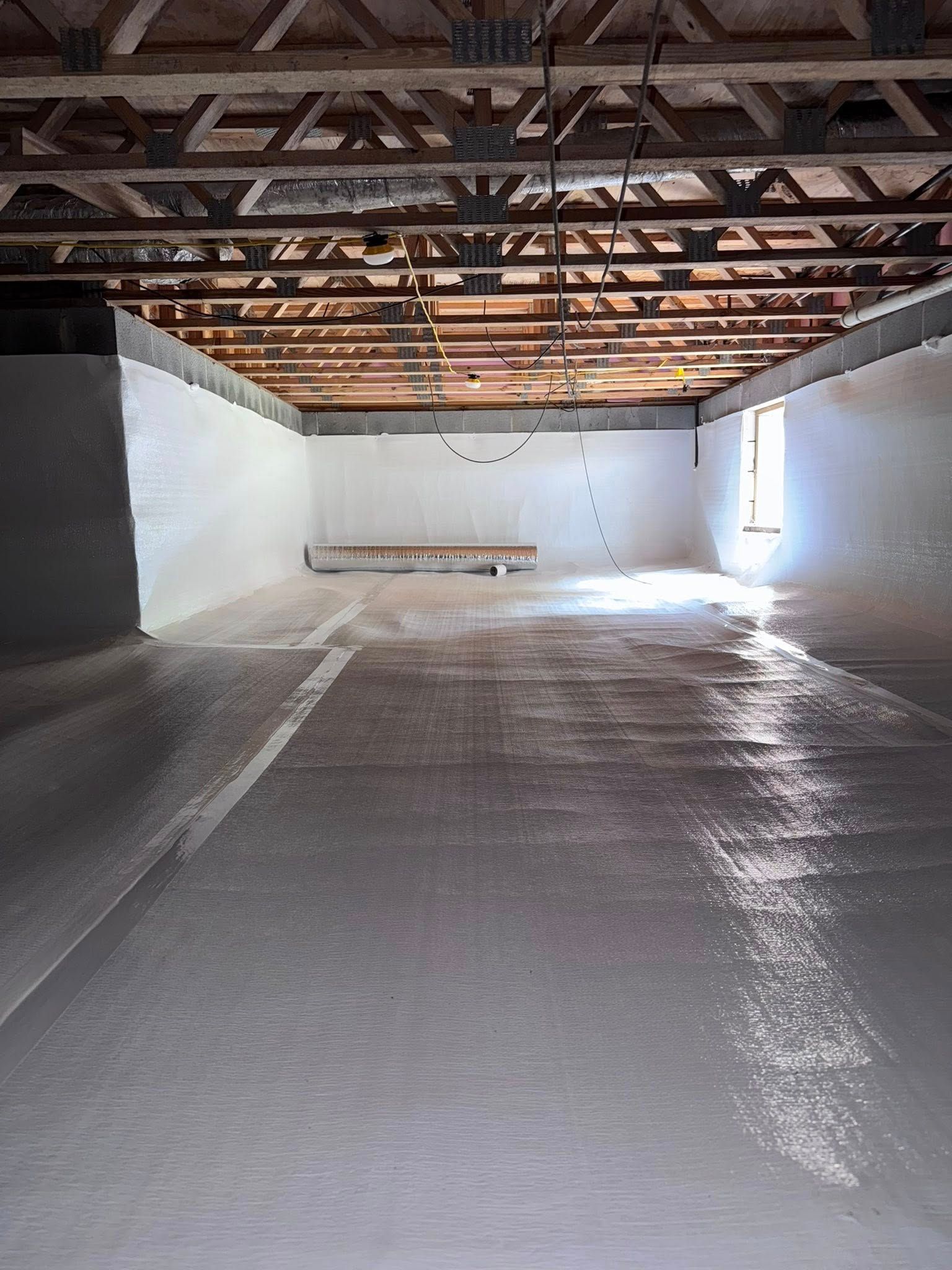
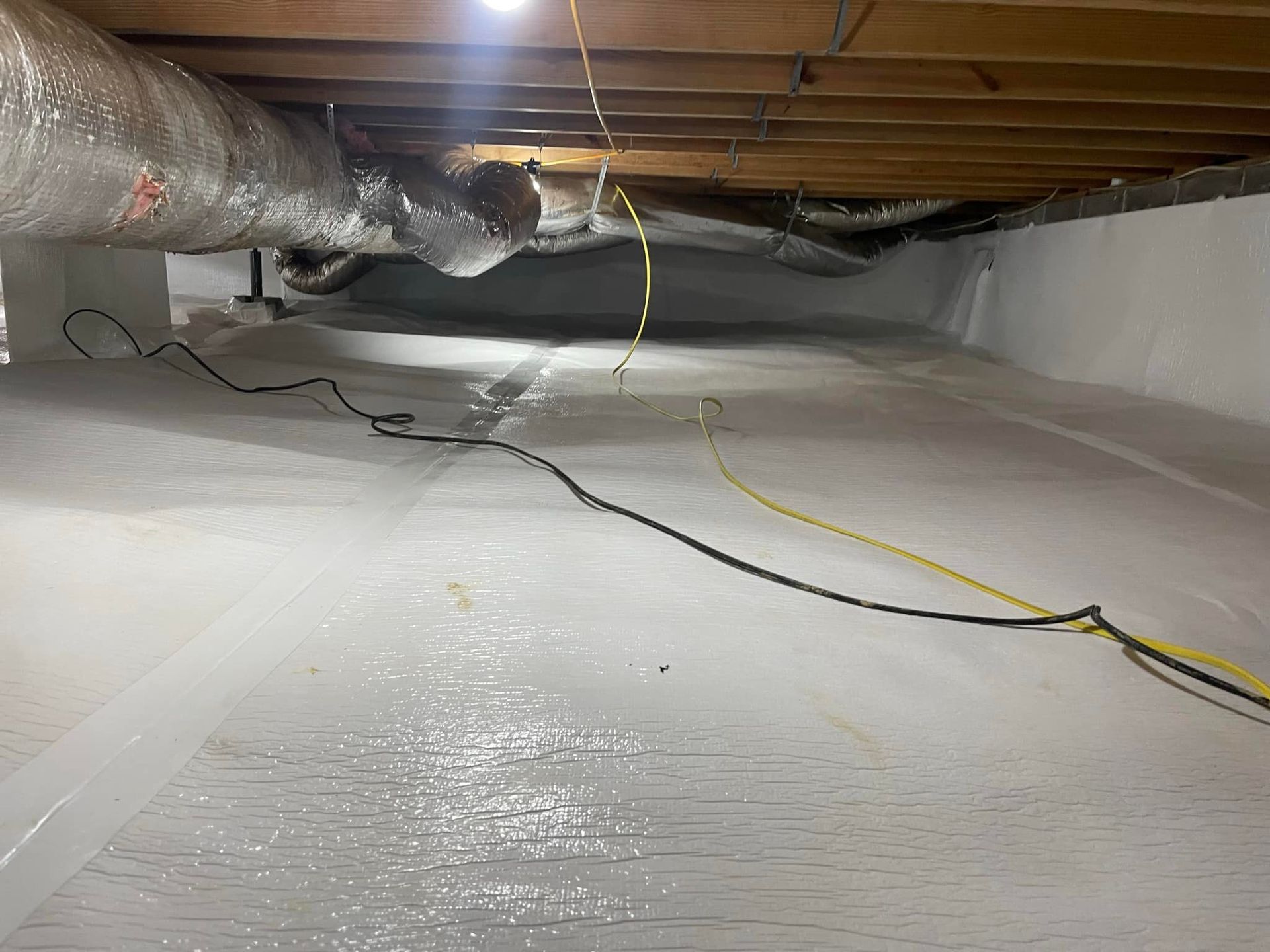
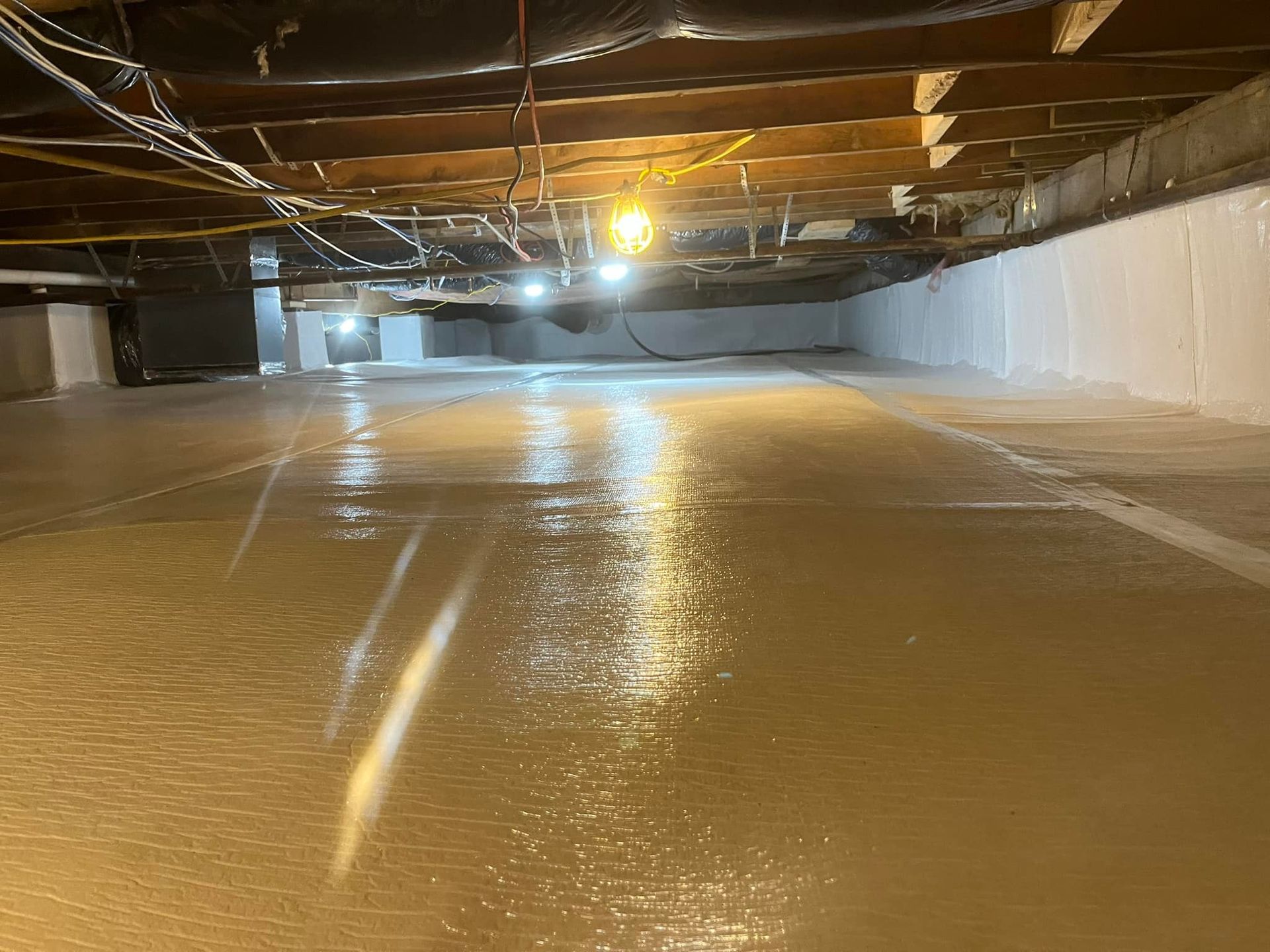
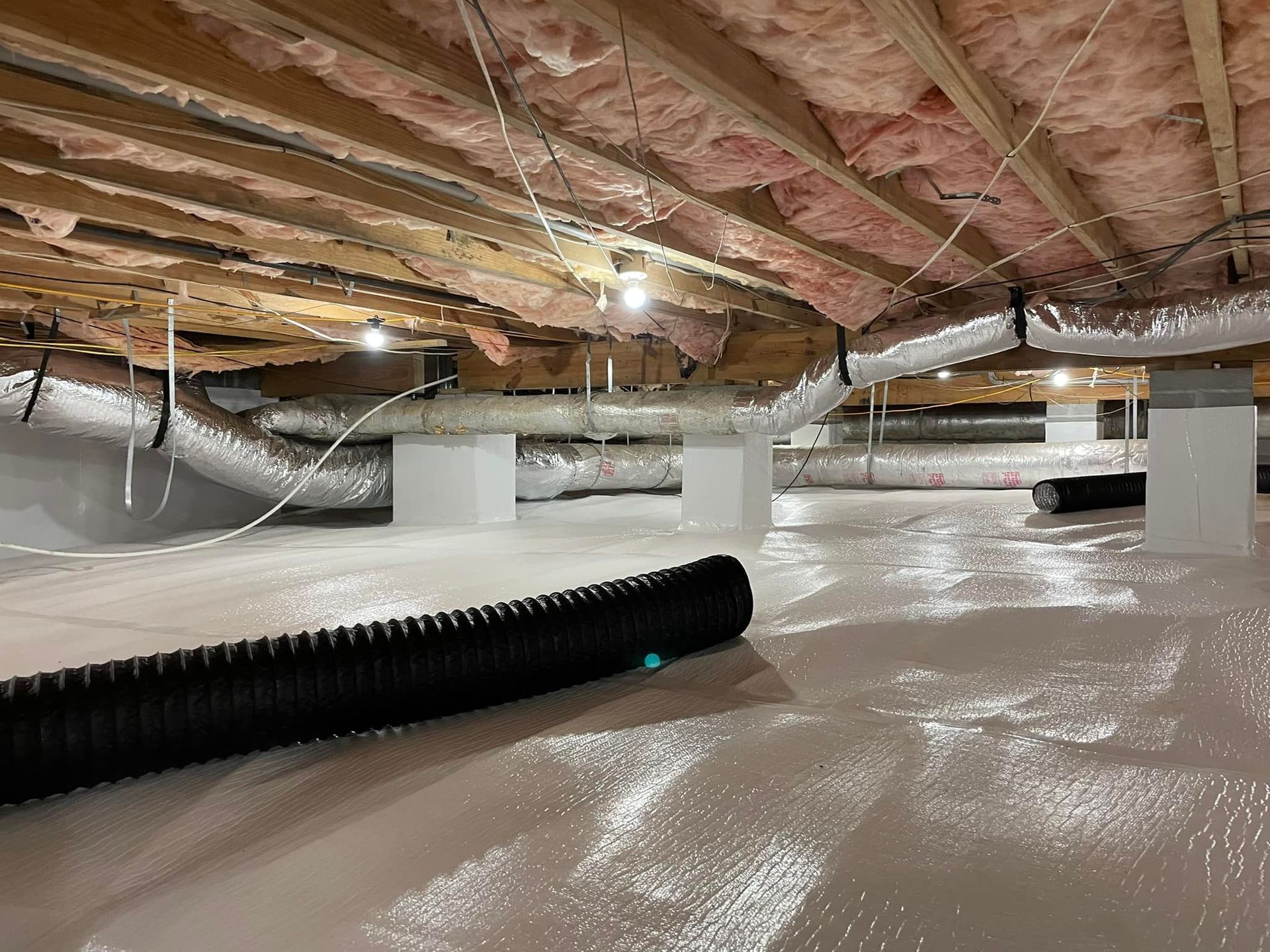
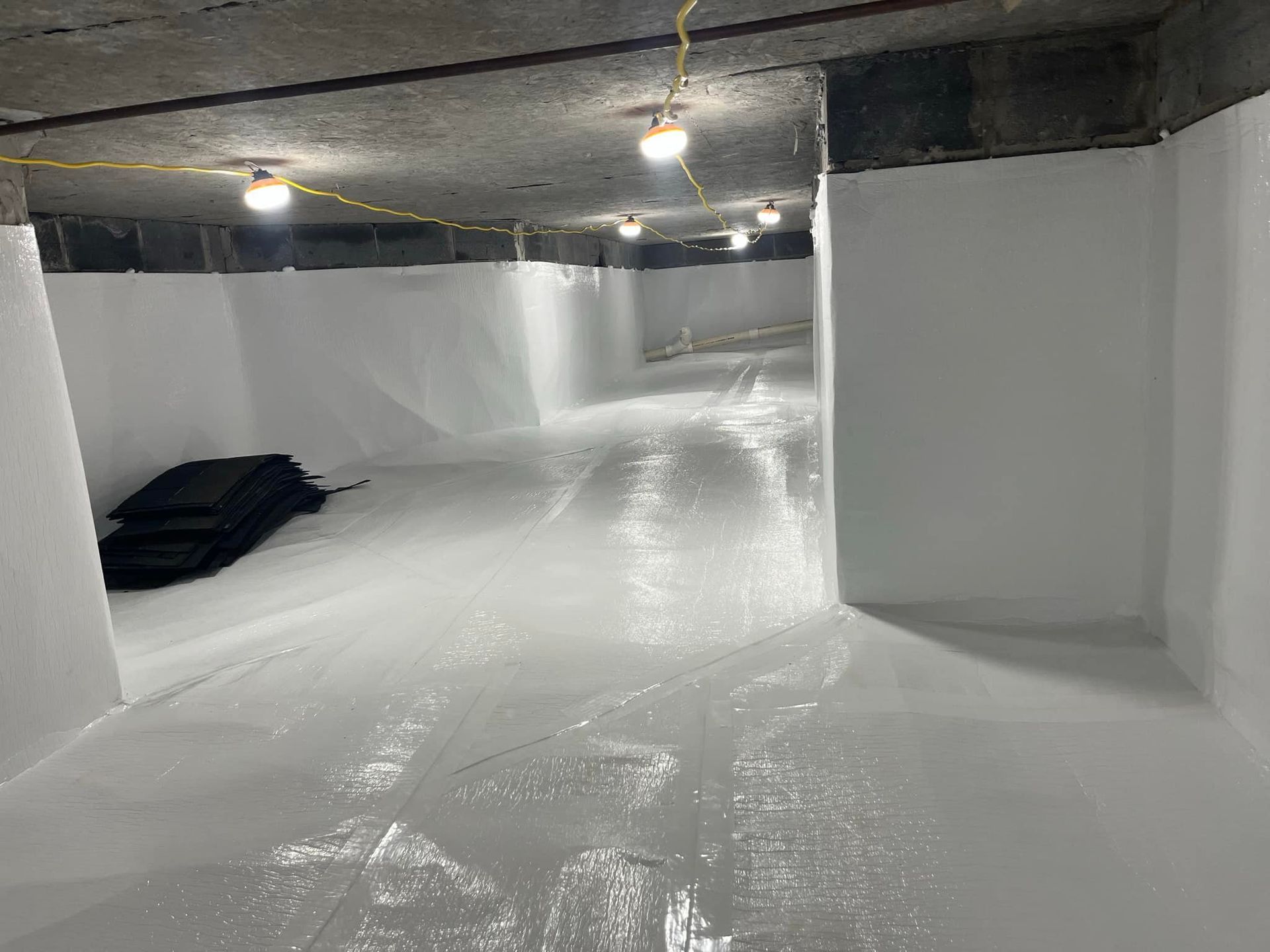
When your crawl space is properly encapsulated, it creates a sealed environment. That sealed space makes radon mitigation systems work better and more efficiently.
Think about it this way - an encapsulated crawl space controls airflow. There aren't random gaps and openings where air can escape or enter. When we install a radon mitigation system in that controlled environment, we can actually direct where the air goes and pull radon out effectively.
The other benefit? Cost efficiency. If you're already getting your crawl space encapsulated, adding radon mitigation at the same time just makes sense. We're already down there, the space is being sealed anyway, and you're addressing two major home health issues in one project.
Plus, you get long-term benefits. A properly encapsulated crawl space with radon mitigation protects your home's structure and your family's health. It's not just about passing a test when you sell your house - it's about creating a healthier living environment..
Digital Monitors vs. Test Pucks: The Real Difference
Those disposable radon test pucks have their place, but they're limited. You set one out for a few days or weeks, send it to a lab, and get a single reading. That reading might show safe levels in your kitchen but miss dangerous concentrations in your basement bedroom.
Digital monitors give you ongoing, accurate data. They measure radon levels continuously, so you can see how levels change throughout the day and across different seasons. Some days might be higher than others depending on weather, ventilation, and other factors.
Here's how to use them effectively - move your monitor around. Spend a few days in each room where your family spends significant time. Your bedroom, living room, home office, playroom. You'll get a real picture of what everyone's breathing, not just a snapshot from one location.
When we install radon systems, we set customers up with these digital monitors. It's about giving you control and knowledge about your home's air quality, not just checking a box.
What a Proper Radon System Installation Looks Like
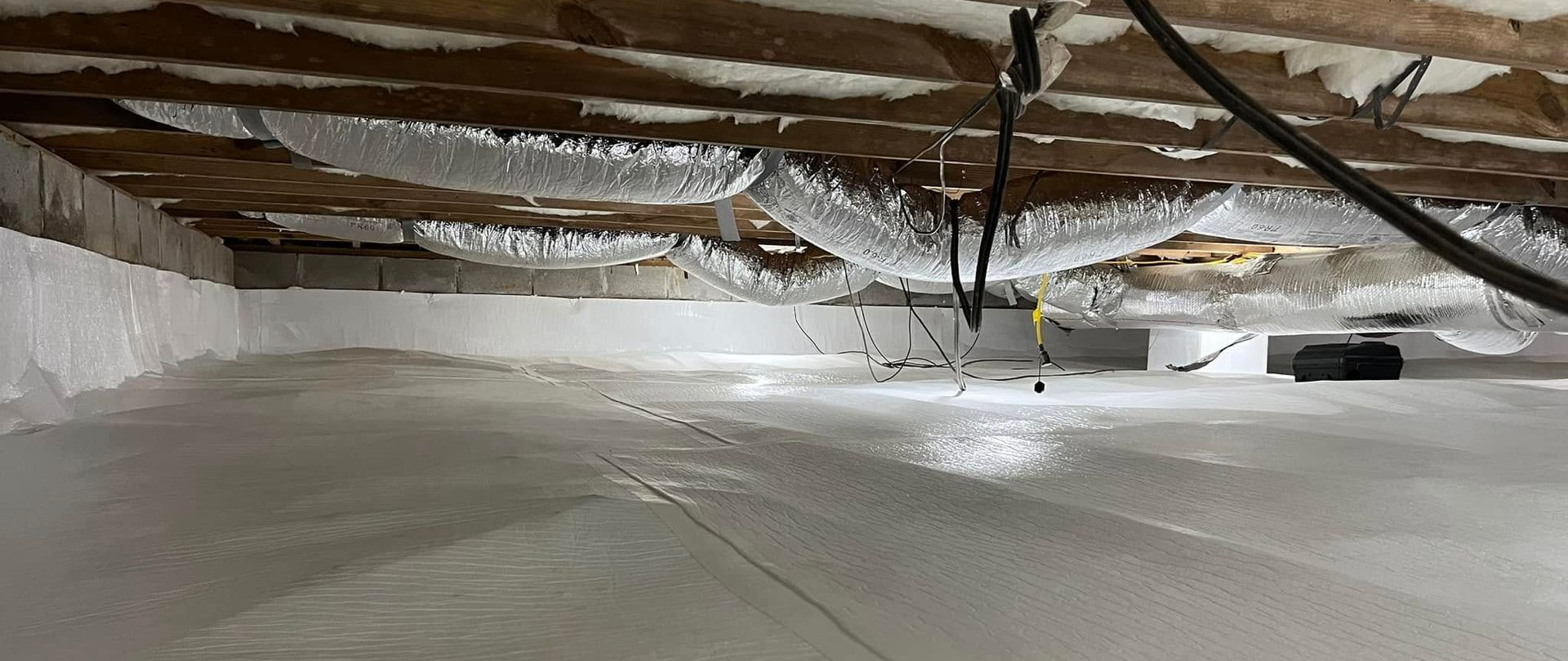
Installing a radon mitigation system isn't complicated, but it needs to be done right. When we're working in an encapsulated crawl space, we route the system underneath the vapor barrier. This creates a suction point that pulls radon from beneath your home before it can enter your living space.
The exhaust pipe runs outside and extends above your roofline. This is important - you don't want radon venting near windows or areas where it could get pulled back into your house. Proper venting means the gas disperses safely into the atmosphere.
Inside, we install that digital monitor where you can easily check it. Some homeowners put it in a central location, others move it around regularly. Either way, you're set up to track both short-term and long-term radon levels.
The system runs continuously, pulling air from beneath your home and venting it safely outside. It's quiet, efficient, and gives you peace of mind that you're actively protecting your family.
Protect Your Home the Right Way
Look, radon mitigation and crawl space encapsulation aren't the most exciting topics. But they're two of the most important things you can do to protect your home and your family's health.
The good news is they work better together. An encapsulated crawl space makes radon mitigation more effective. And if you're already investing in one, adding the other just makes sense.
We install these systems regularly in the Knoxville area. It's not just about passing a radon test when you're selling your house - it's about creating a healthier home for the long term.