Is Your Crawl Space Dehumidifier Too Small? Here's How to Know
Why Square Footage Alone Isn't Enough to Protect Your Home
A crawl space expert explains the sizing mistake that keeps dehumidifiers running but never solves the problem
You've probably noticed it - your crawl space dehumidifier runs constantly.
The tank fills up, the unit kicks back on, and the cycle never stops.
But when you check on things, your crawl space still feels damp.
There's still that musty smell. And you're left wondering if the equipment is actually doing anything.
Here's the truth: if your dehumidifier runs nonstop but your moisture problems persist, it's probably not broken.
It's probably just too small for your space.
I see this all the time in crawl spaces across Knoxville.
A company installs equipment based on square footage alone, and the homeowner ends up with a dehumidifier that works overtime but never really solves the problem.
The equipment isn't defective - it's just undersized for the job.
What Most Companies Get Wrong About Dehumidifier Sizing
Most crawl space companies look at your floor measurements and call it done. Five hundred square feet? They'll install a 50-pint dehumidifier and move on to the next job.
But here's what they're missing: your crawl space isn't just a flat surface. It's a three-dimensional space with height that matters just as much as length and width.
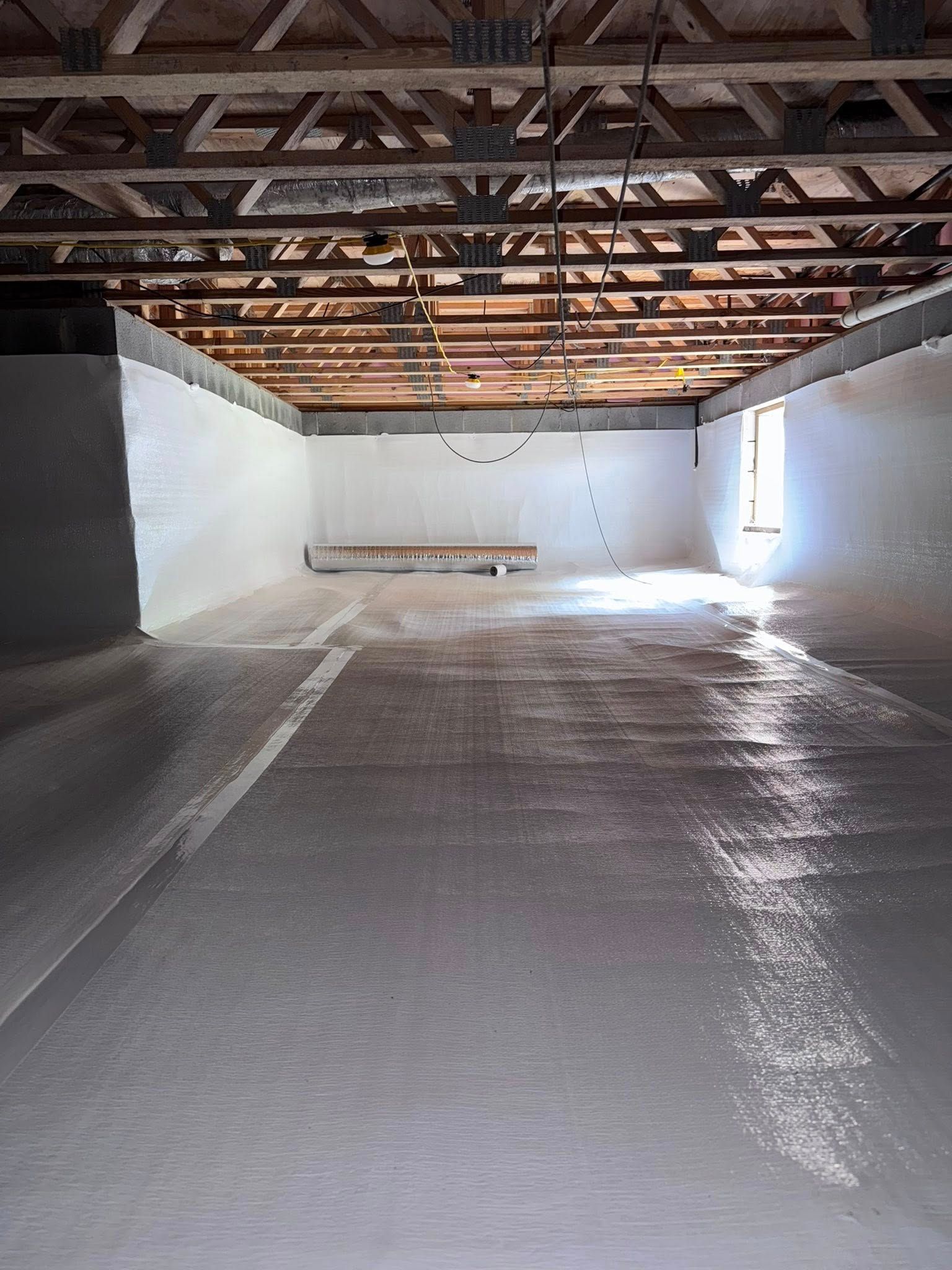
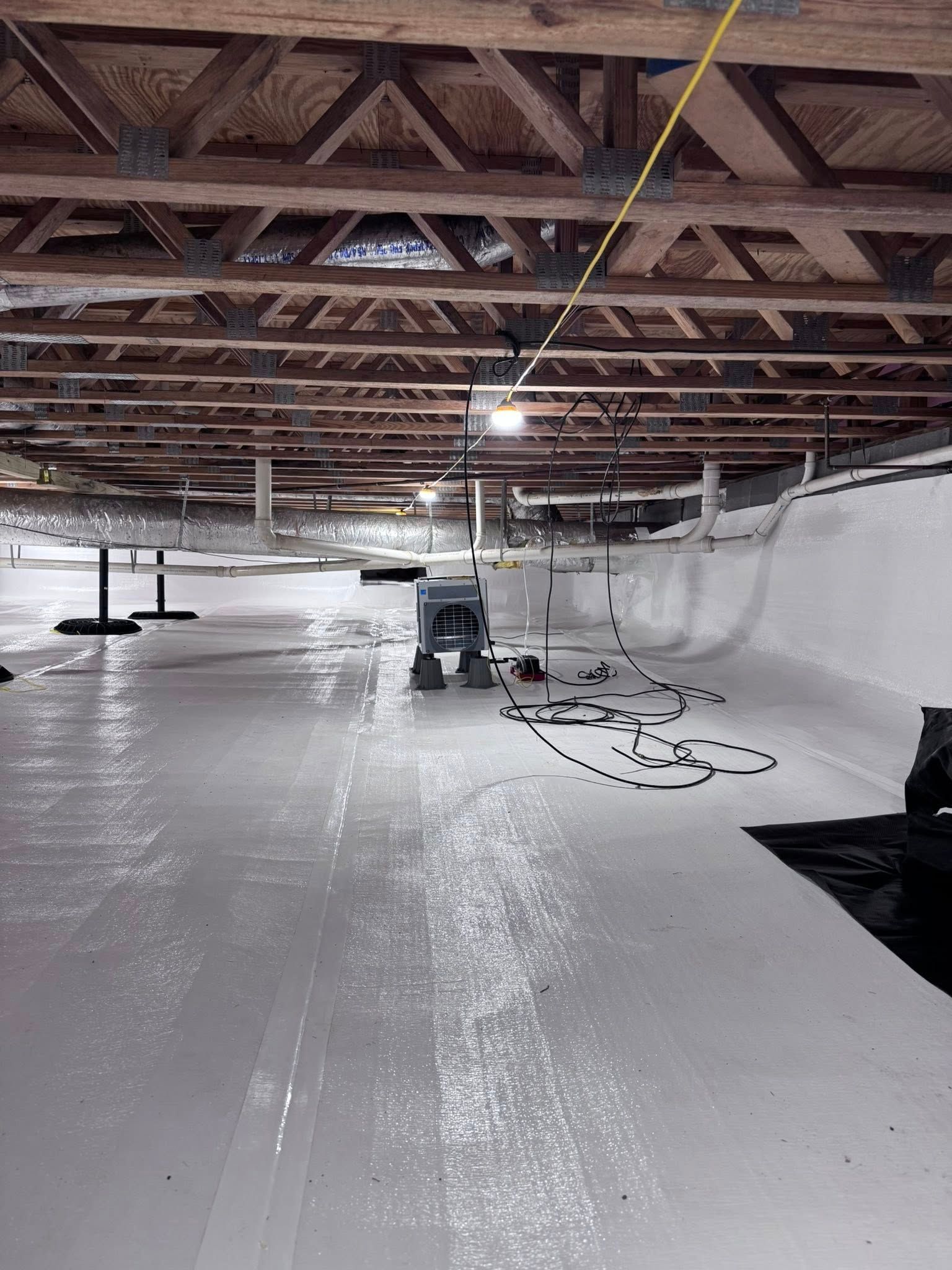
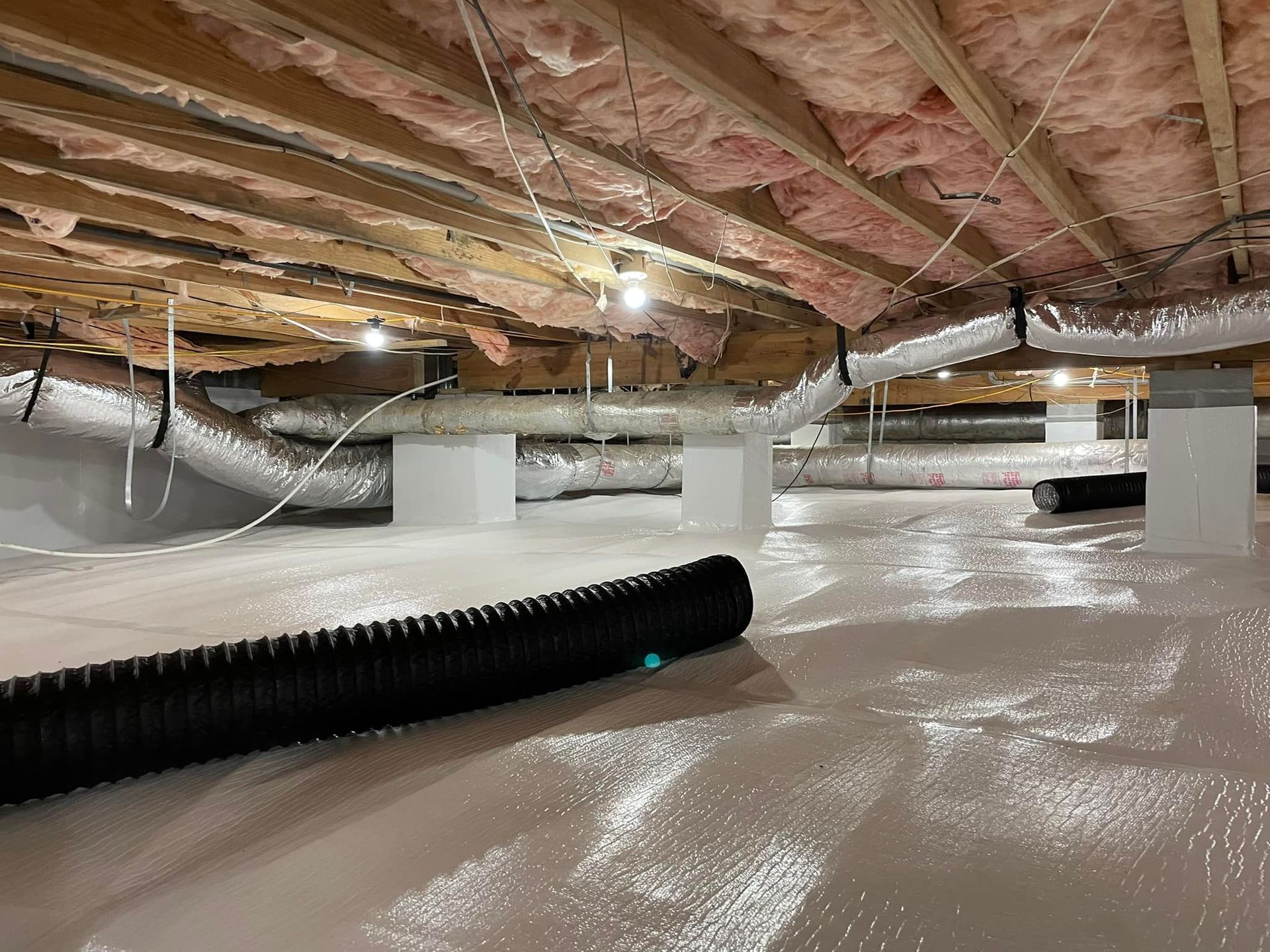
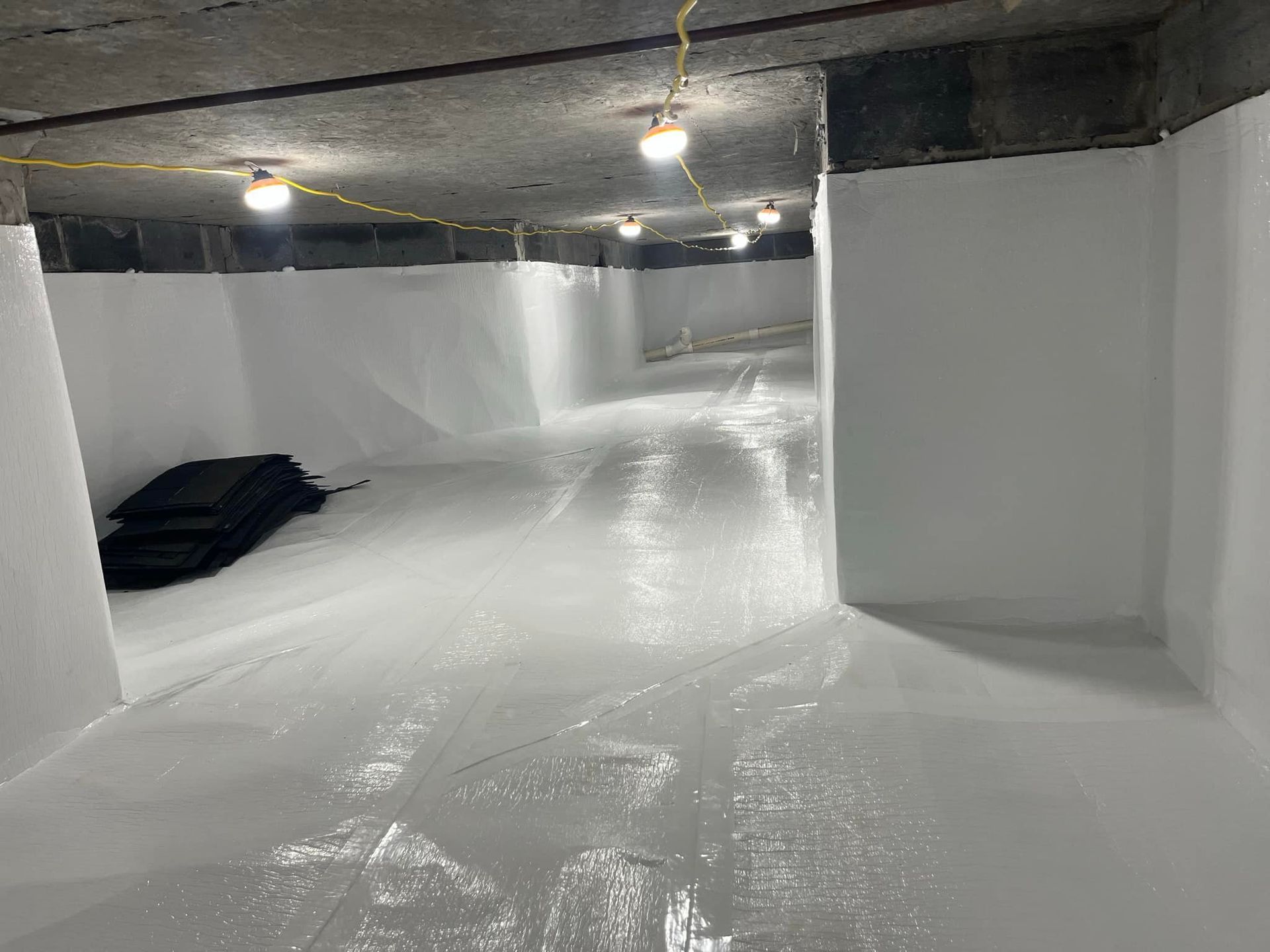
Think about the crawl space I was just in. The floor area was small - maybe 400 square feet. But the space was almost nine feet tall. That's not just 400 square feet of air to dehumidify. That's closer to 3,600 cubic feet of air.
A 50-pint dehumidifier might handle a short crawl space with that floor area just fine. But in a tall space like this one? It doesn't stand a chance. That's why we installed a 70-pint unit instead - because we're treating the actual volume of air, not just the floor measurements.
Square Feet vs. Cubic Feet: Understanding the Difference
Let me break this down in simple terms. Square footage measures your floor area - length times width. That's useful information, but it's incomplete.
Cubic footage measures your entire space - length times width times height. That's the actual volume of air your dehumidifier needs to treat.
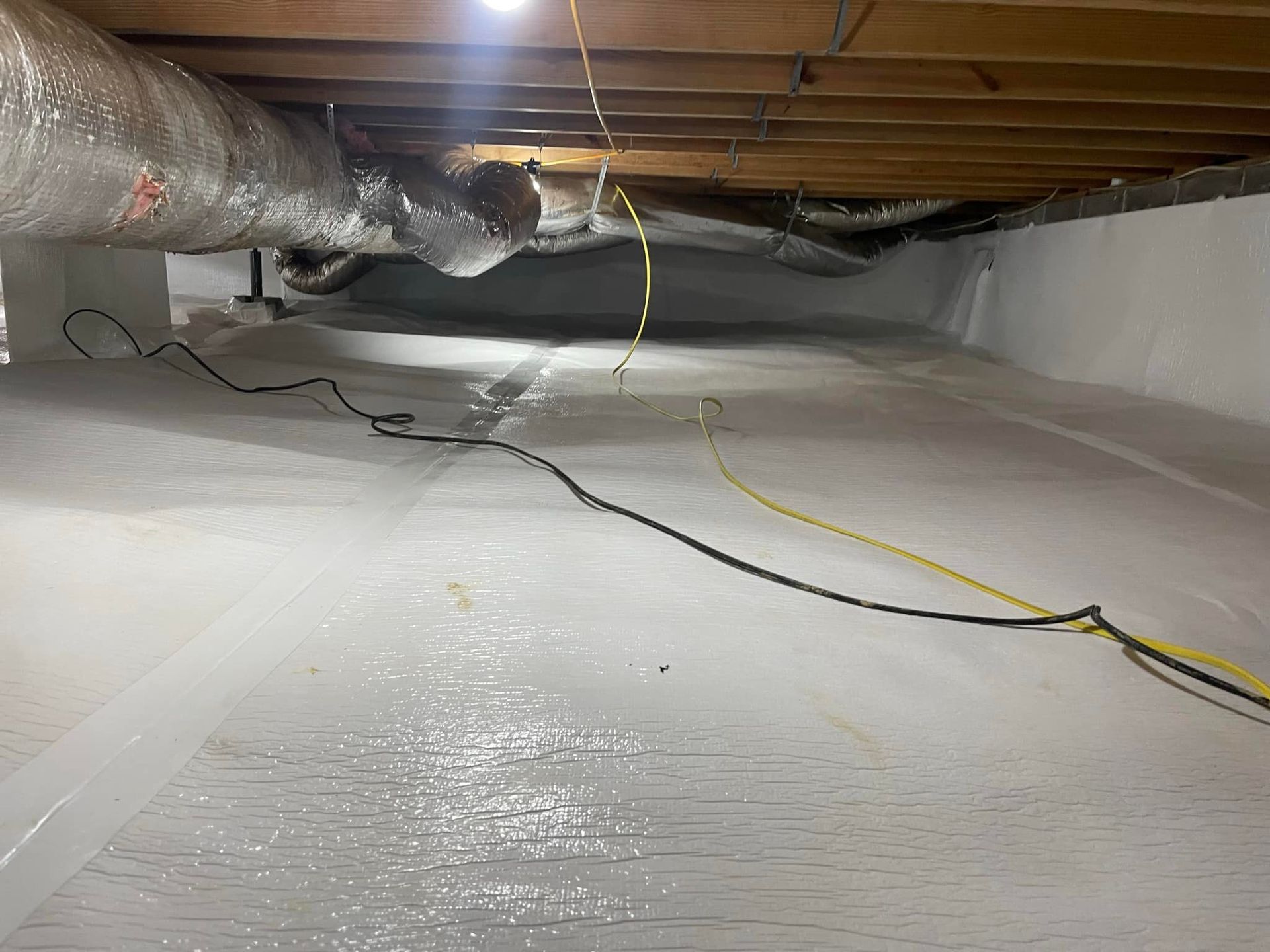
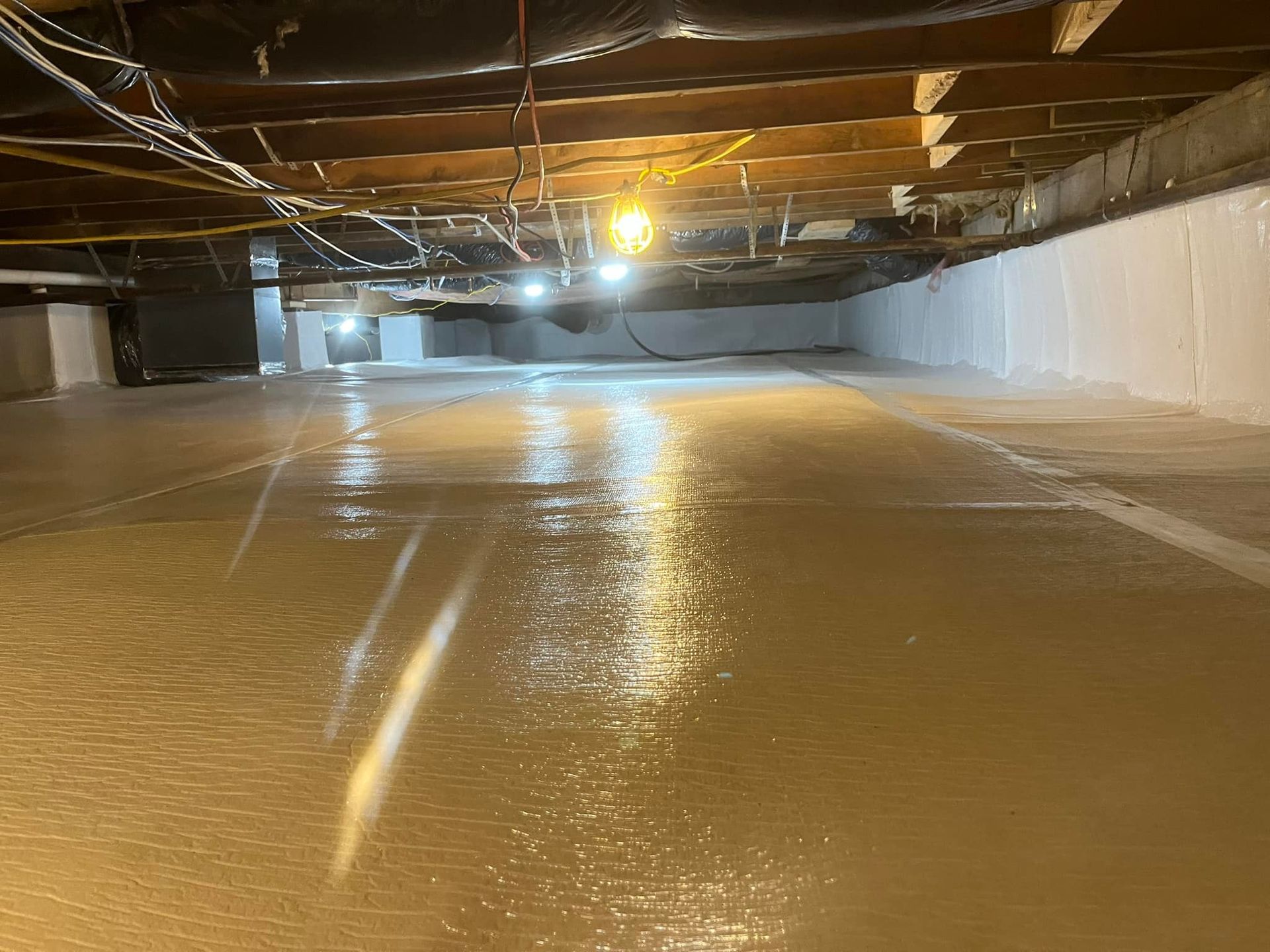
Here's a real example: Two crawl spaces, both 500 square feet. One is three feet tall, the other is eight feet tall. Same floor area, right? But the first space has 1,500 cubic feet of air. The second has 4,000 cubic feet. That's almost three times as much air to dehumidify.
If you size equipment based only on square footage, you're ignoring more than half the picture in taller spaces. And that means you're installing equipment that can't actually do the job you need it to do.
Signs Your Dehumidifier Is Too Small
Not sure if your dehumidifier is properly sized? Here's what undersized equipment looks like in action:
The unit runs constantly without ever cycling off. A properly sized dehumidifier should reach its target humidity level and take breaks. If yours never stops running, it's working as hard as it can but can't keep up with the space.
Your moisture readings stay high even with the dehumidifier running. You should see steady improvement in humidity levels. If the numbers aren't dropping, the equipment isn't big enough.
That musty smell won't go away. Proper dehumidification eliminates moisture odors. If the smell persists, you've still got moisture problems the equipment can't handle.
You're seeing condensation on pipes or ductwork. This means the air is still too humid for the equipment to control.
Your electric bill keeps climbing but nothing improves. Undersized equipment uses plenty of power running constantly - you just don't get the results you're paying for.
How to Size Your Dehumidifier Correctly
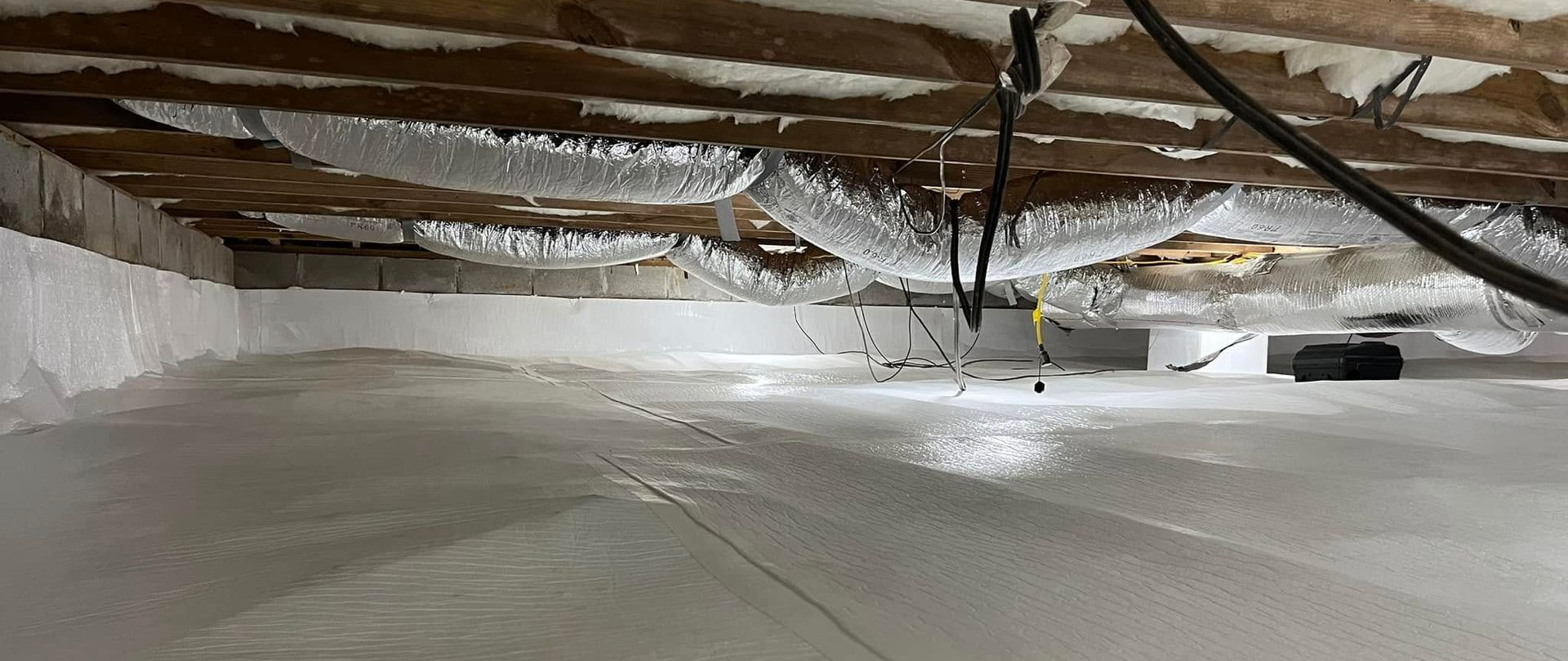
Getting the right size dehumidifier starts with measuring your actual space - all three dimensions.
Measure the length and width of your crawl space to get square footage. Then measure the height. Multiply all three numbers together, and you've got your cubic footage.
Once you know your cubic footage, you can match it to the right equipment capacity. A 50-pint dehumidifier works well for spaces up to about 2,500 cubic feet. For larger spaces, you'll need 70 pints or more.
Don't forget to factor in your specific conditions too. If your crawl space has serious moisture issues or poor drainage, you might need to size up even more to handle the extra humidity load.
This is where professional assessment makes a real difference. We've done enough of these installations to know what works and what doesn't. We can look at your space, calculate the volume, consider your specific moisture situation, and recommend equipment that will actually protect your home.
Get It Right the First Time
Look, I get it. When you're comparing quotes, it's tempting to go with the company offering the cheapest price. But if they're sizing your dehumidifier based only on square footage, you're not getting a deal - you're getting equipment that won't do the job.
Proper sizing means your dehumidifier actually protects your crawl space instead of just running up your electric bill. It means the equipment cycles on and off like it should instead of working itself to death. And it means you're not calling someone back in two years to fix moisture problems that never went away.
We take the time to calculate cubic footage because we want our customers to have equipment that works. Every dehumidifier we install comes with WiFi monitoring so you can see exactly what's happening in your crawl space. If something's not working right, you'll know - and we'll come back and figure out what's going on.
But when we size equipment correctly from the start, those callbacks are rare. We've done this enough to know what works.