DIY Crawl Space Treatment: What Went Wrong in This Tazewell Home
When Home Depot Solutions Create More Problems Than They Solve
A Tazewell crawl space inspection reveals why treating symptoms instead of causes costs homeowners twice
I just finished an inspection in Tazewell where a homeowner tried to do the right thing.
They saw fungal growth in their crawl space, went to Home Depot, bought a treatment product, and applied it themselves.
For a few months, it looked like it worked.
But when I got under their house today, I found something worse than the original problem.
The fungal growth came back - and now their ductwork is falling apart.
This is what happens when you treat the symptom instead of fixing the cause.
And it's a mistake I see all the time.
What This Tazewell Crawl Space Looked Like
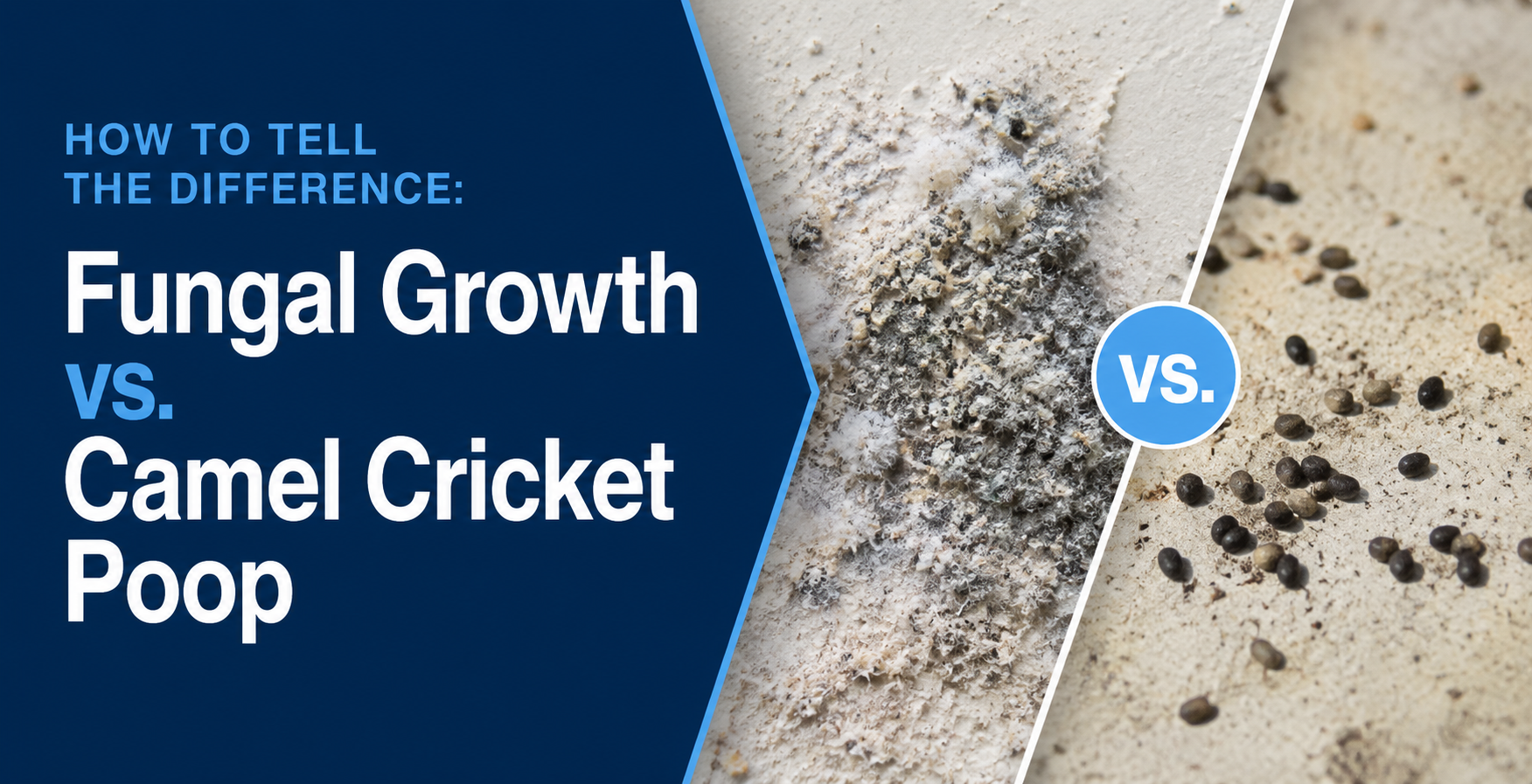
The wood joists showed clear signs of white rot fungal growth. This homeowner had treated it with a sodium chloride based product - the kind you can pick up at any big box store.
Here's what that DIY treatment created:
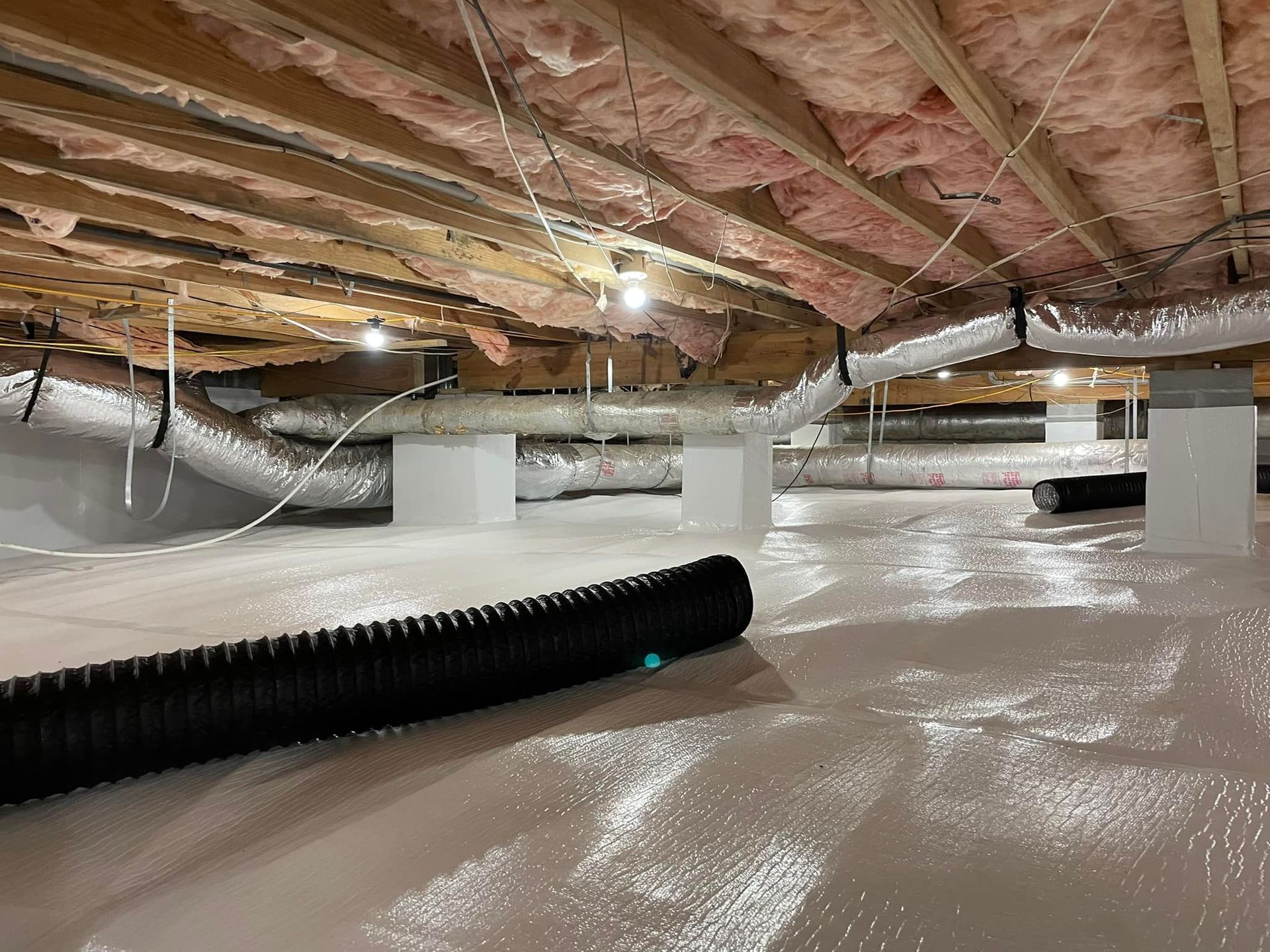
The fungal growth returned because the high moisture never went away. But that's not even the worst part. The sodium chloride ate away at the ductwork insulation. It became so brittle that holes formed throughout the system. What started as insulated ducts is now shredded material barely hanging on.
So now we're looking at fungal treatment plus ductwork repair. The original problem is still there, and they've added a new one on top of it.
Why Big Box Store Products Fall Short
Look, I get it. You want to save money and fix the problem yourself. That makes sense. But here's the issue with those store-bought treatments: they're designed to kill fungal growth, not prevent it from coming back.
Think of it like mopping up water while the sink is still overflowing. You can mop all day long, but until you turn off the faucet, you're just wasting your time.
Sodium chloride products kill what's there. But they don't address the moisture that caused the fungal growth in the first place. So a few months later, when humidity levels stay high, the fungal growth returns. And in the meantime, that chemical is breaking down everything else it touches - including your ductwork..
The Real Cost of DIY Crawl Space Treatment
Let's talk about what this Tazewell homeowner actually spent trying to save money:
- Store-bought treatment product: around $50-100
- Time and effort applying it themselves: several hours
- Temporary peace of mind: a few months
- Damaged ductwork that now needs repair: $2,000-3,000
- Professional fungal treatment still needed: $1,500-2,500
- Proper moisture control to prevent recurrence: included in encapsulation
What looked like a budget-friendly solution turned into paying twice - once for the DIY attempt and again for the professional fix. Plus the cost of repairing damage the DIY product caused.
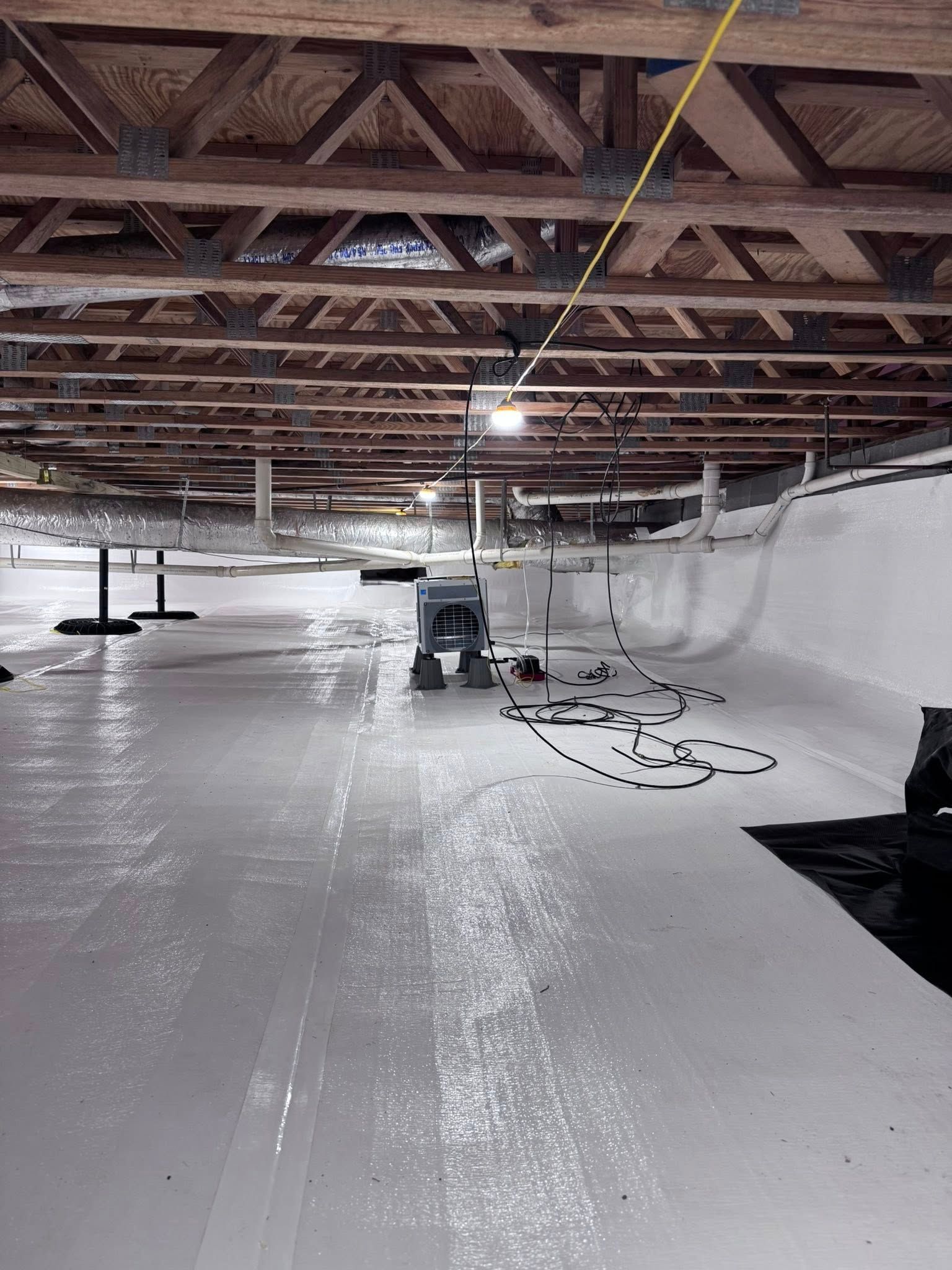
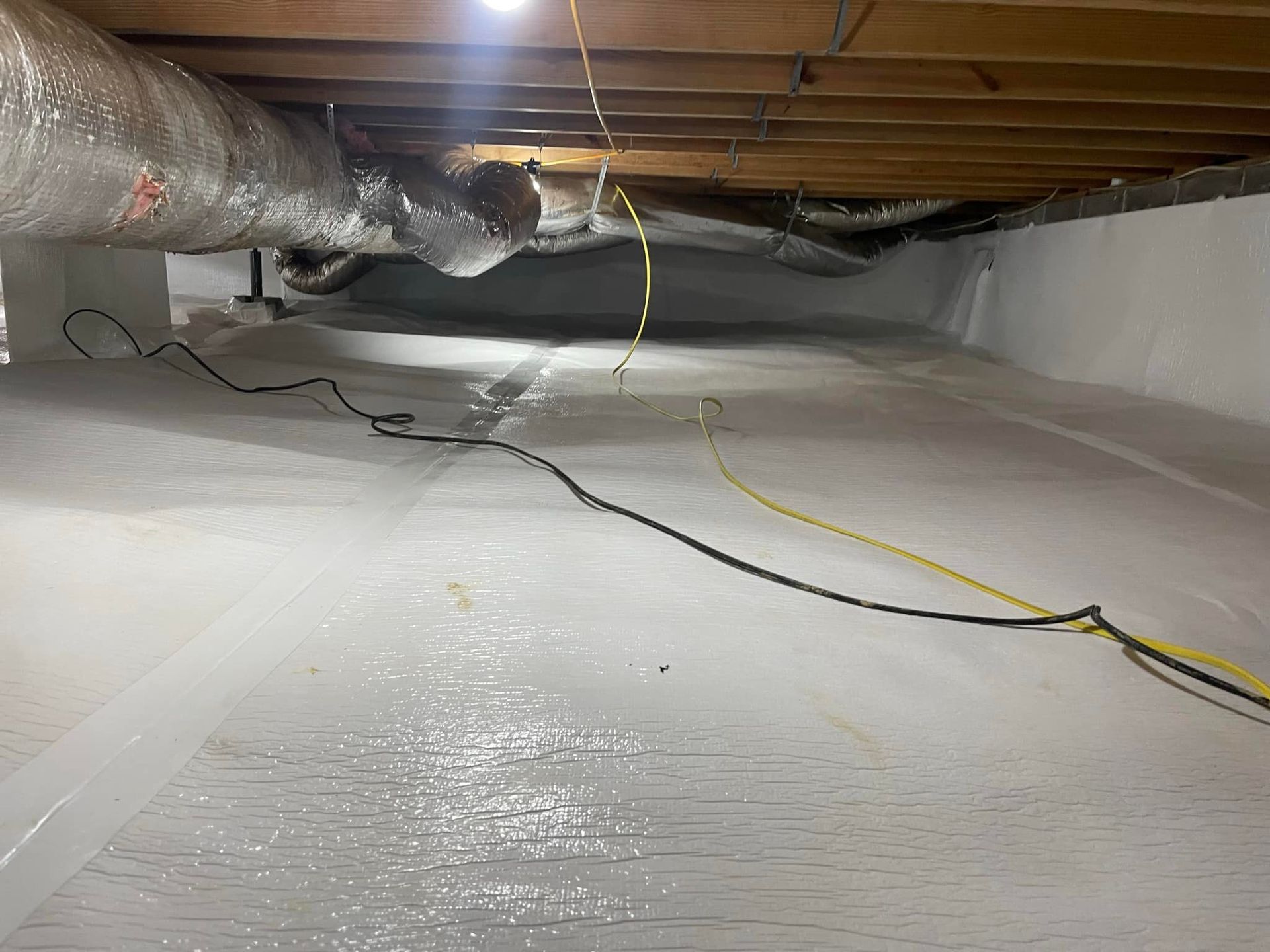
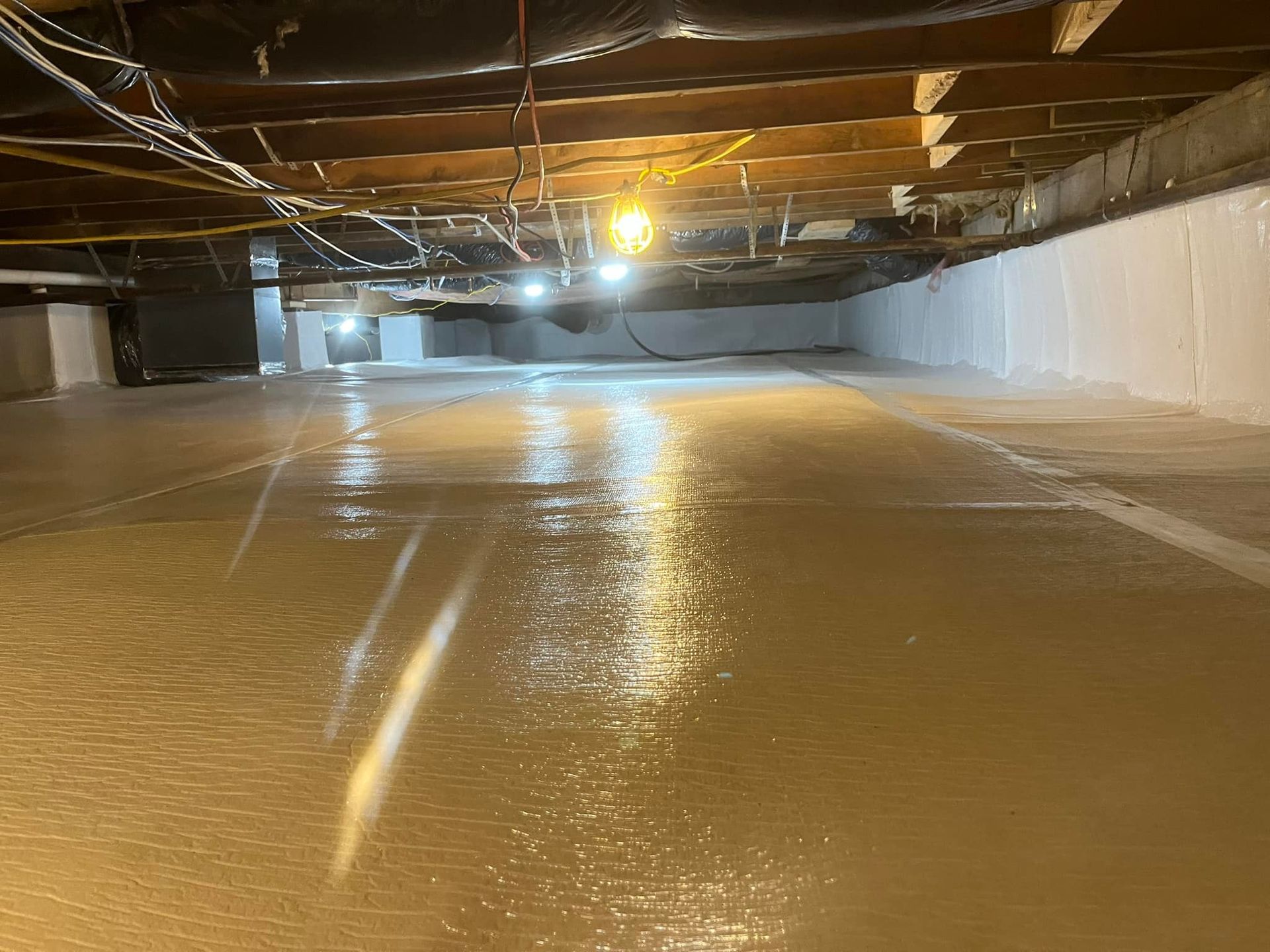
What Actually Works for Crawl Space Fungal Growth
Real crawl space treatment isn't just about killing what you see. It's about creating an environment where fungal growth can't survive.
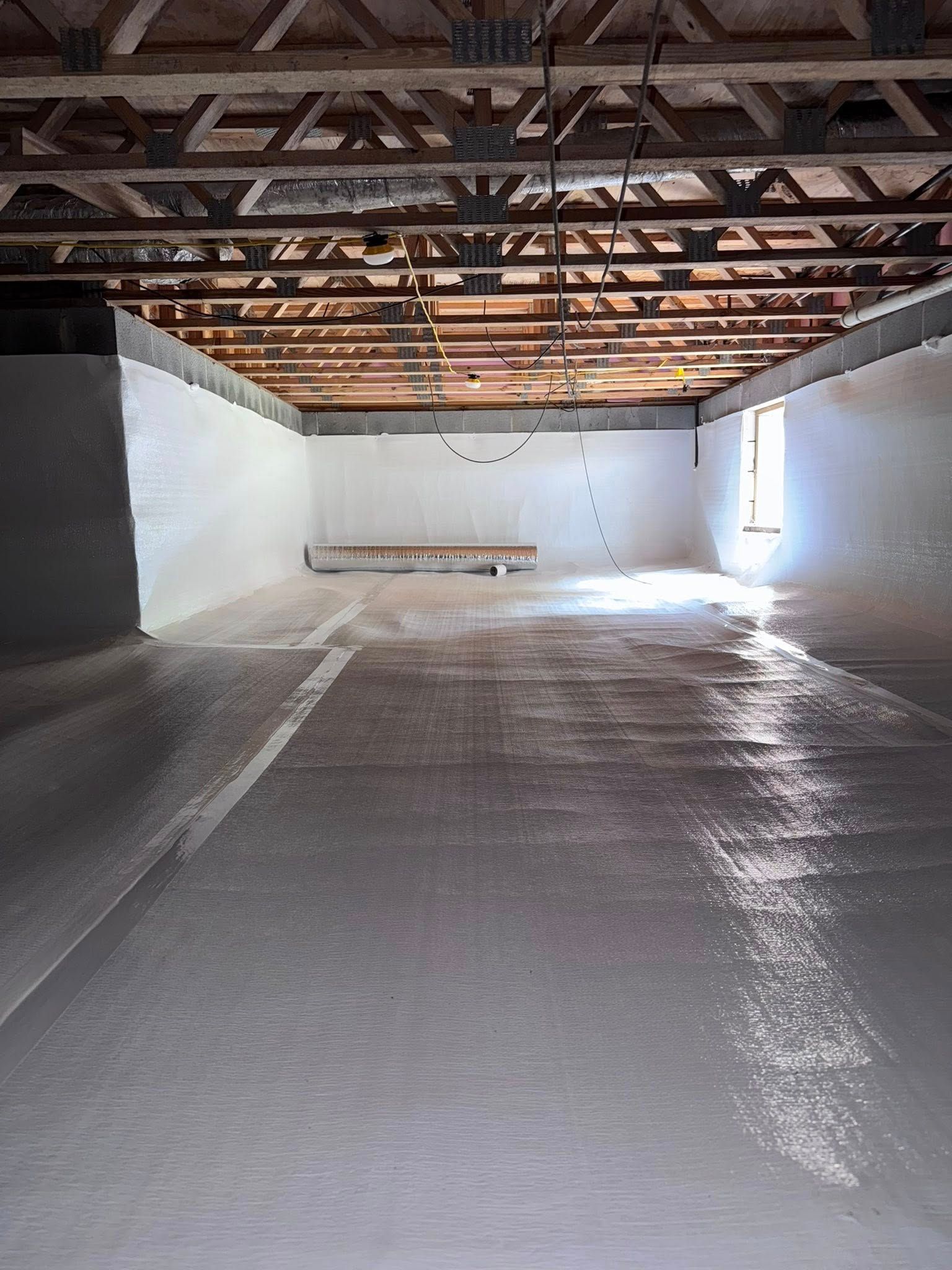
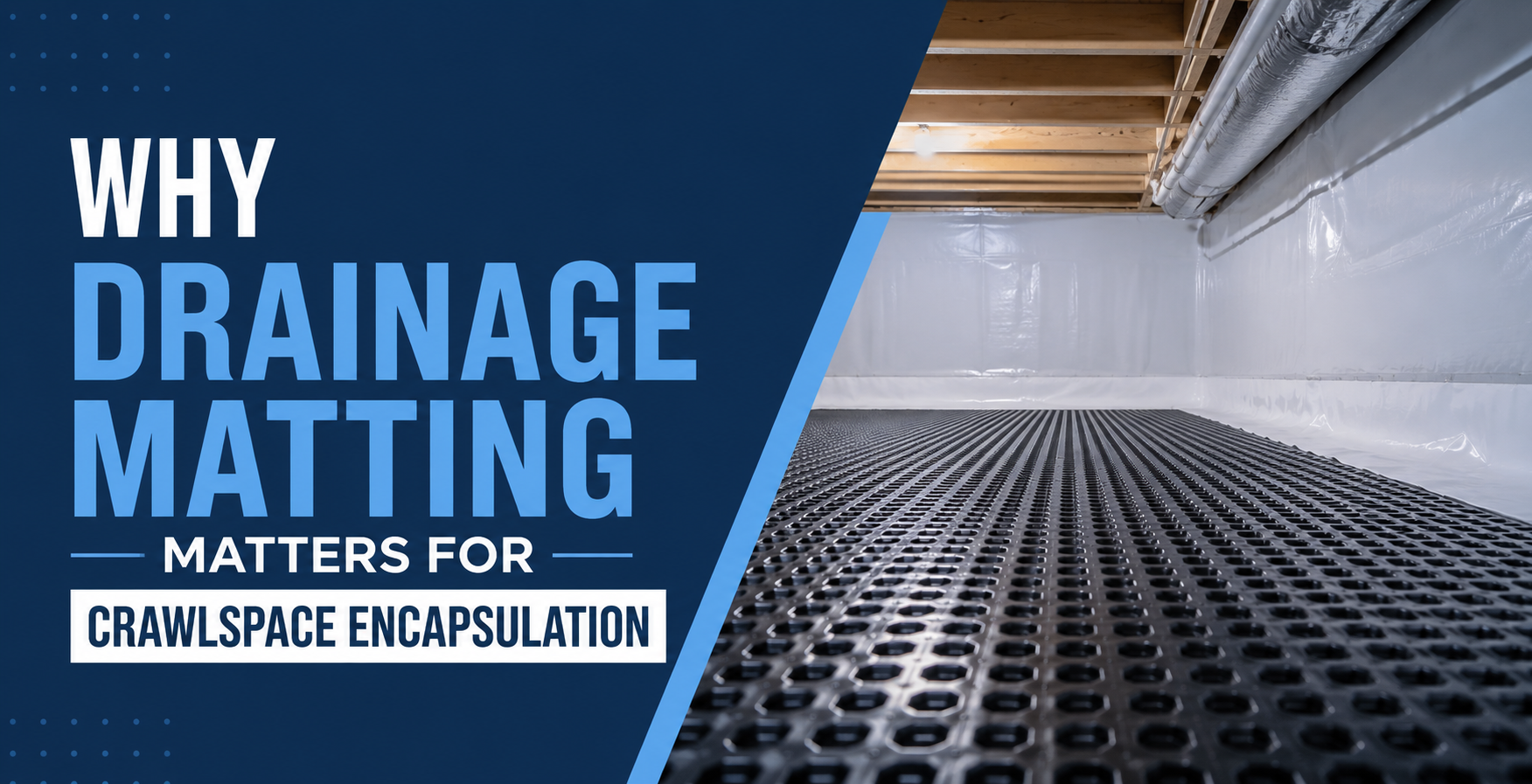
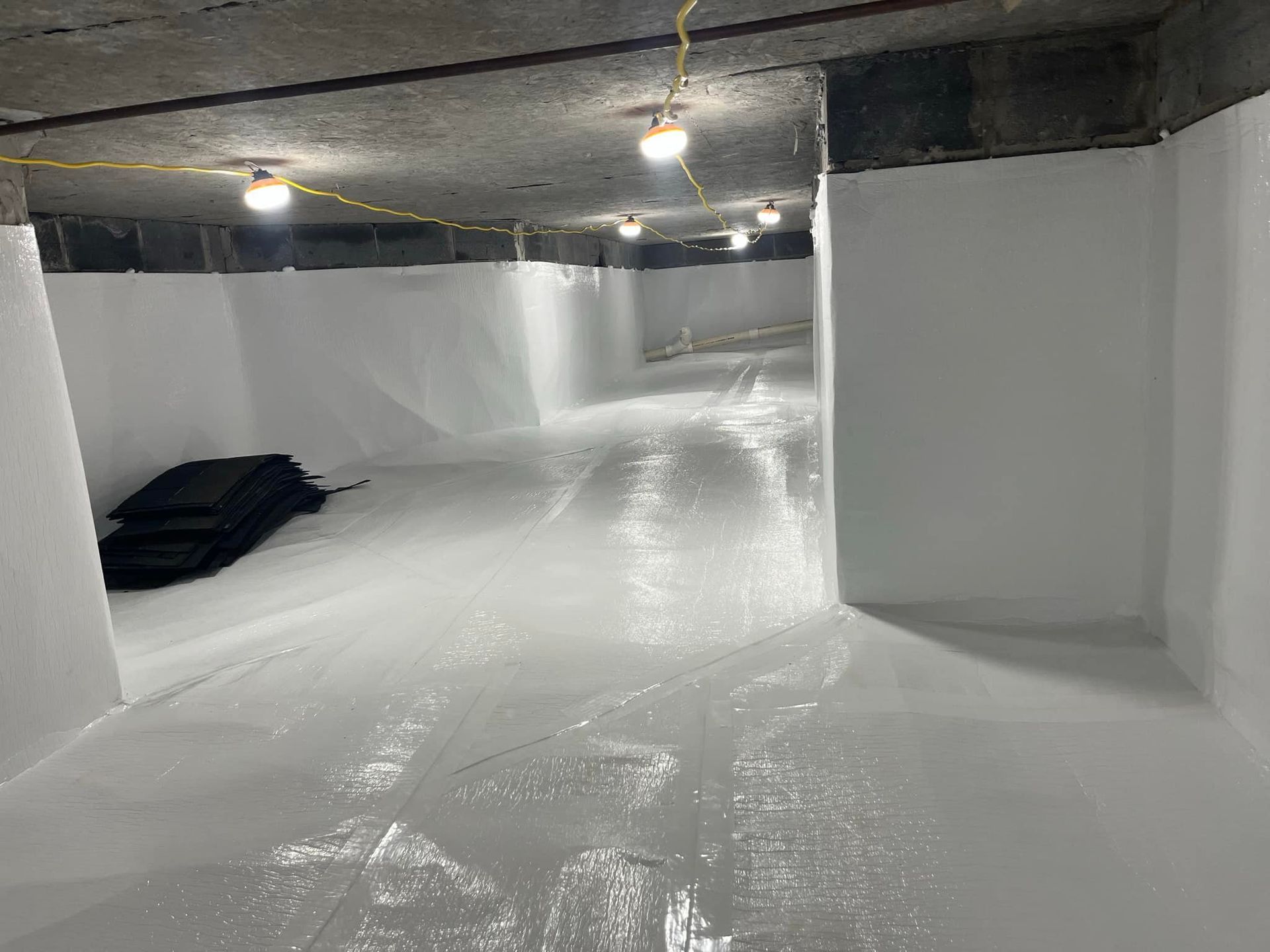
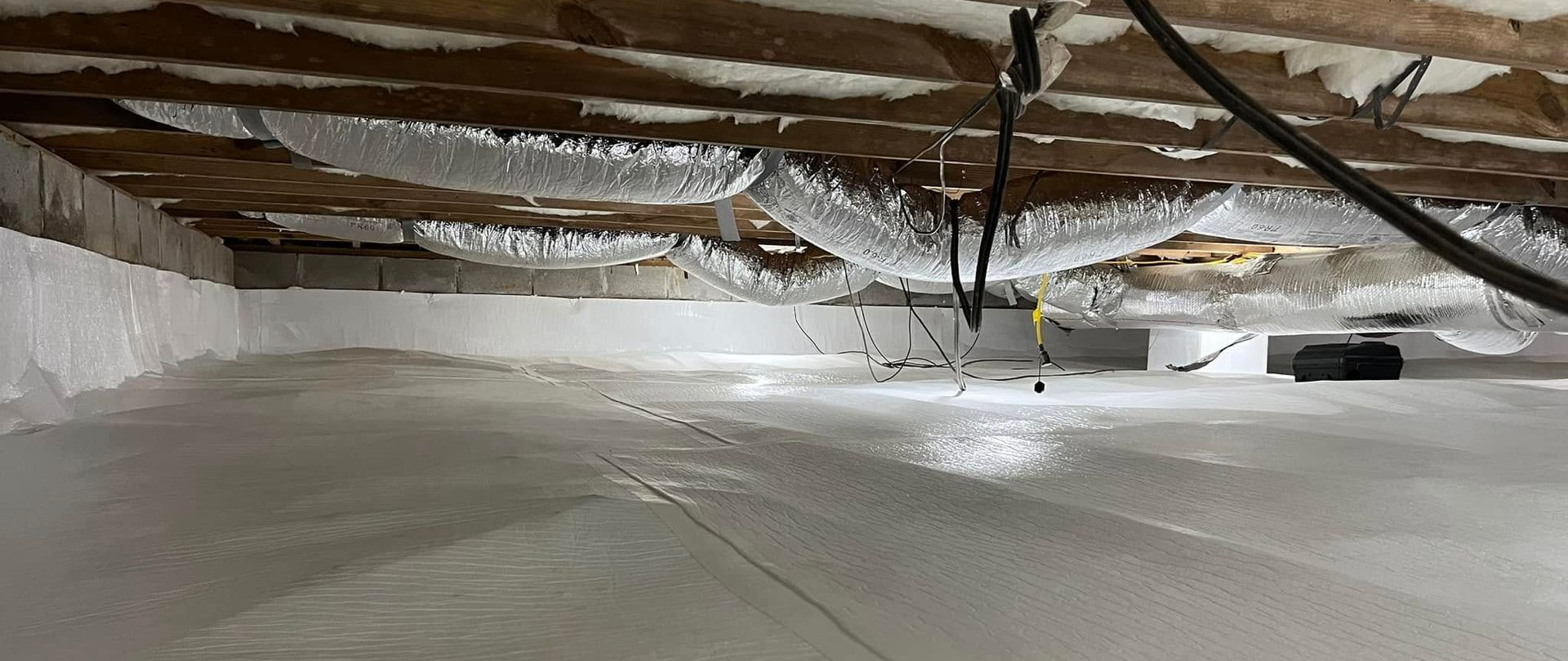
That means controlling moisture at the source. We encapsulate the space with a proper vapor barrier. We seal it off from outside air and ground moisture. We install a dehumidifier that keeps humidity levels where they need to be.
Then we treat the existing fungal growth with professional-grade products that won't damage your ducts or other systems. The combination of treatment and moisture control is what prevents it from coming back.
It's not just a quick fix. It's a permanent solution.
Don't Make the Same Mistake
I'm not saying you should never try to fix things yourself. But crawl space issues are different. They're not like replacing a faucet or patching drywall. When you get it wrong, you don't just waste time - you can create new problems that cost more to fix.
Before you buy that product at the store, ask yourself: Am I fixing the cause or just treating the symptom? If there's still moisture in your crawl space, any treatment is temporary at best.
And if you're seeing fungal growth, that's a sign of a bigger moisture problem. It's worth getting a professional to look at it and tell you what's really going on. That assessment might save you thousands in the long run.
Don't let a DIY attempt turn into what I saw in Tazewell today. Get it done right the first time, and you won't have to pay to fix it twice.