How Much Drainage Does Your Crawlspace Actually Need?
Not Every Crawlspace Needs a Full Perimeter Drain
HERE'S HOW TO KNOW WHAT YOUR CRAWLSPACE ACTUALLY NEEDS
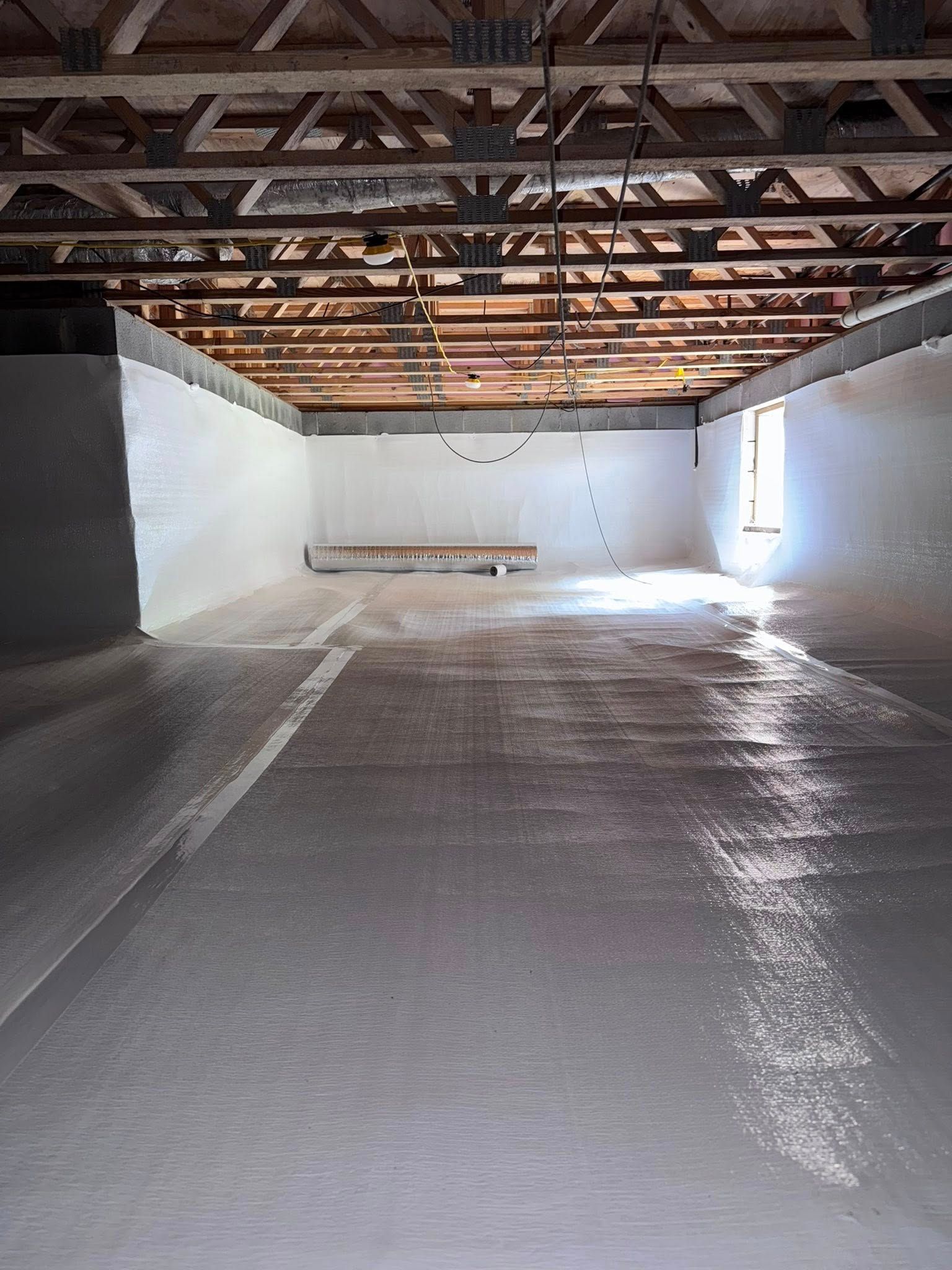
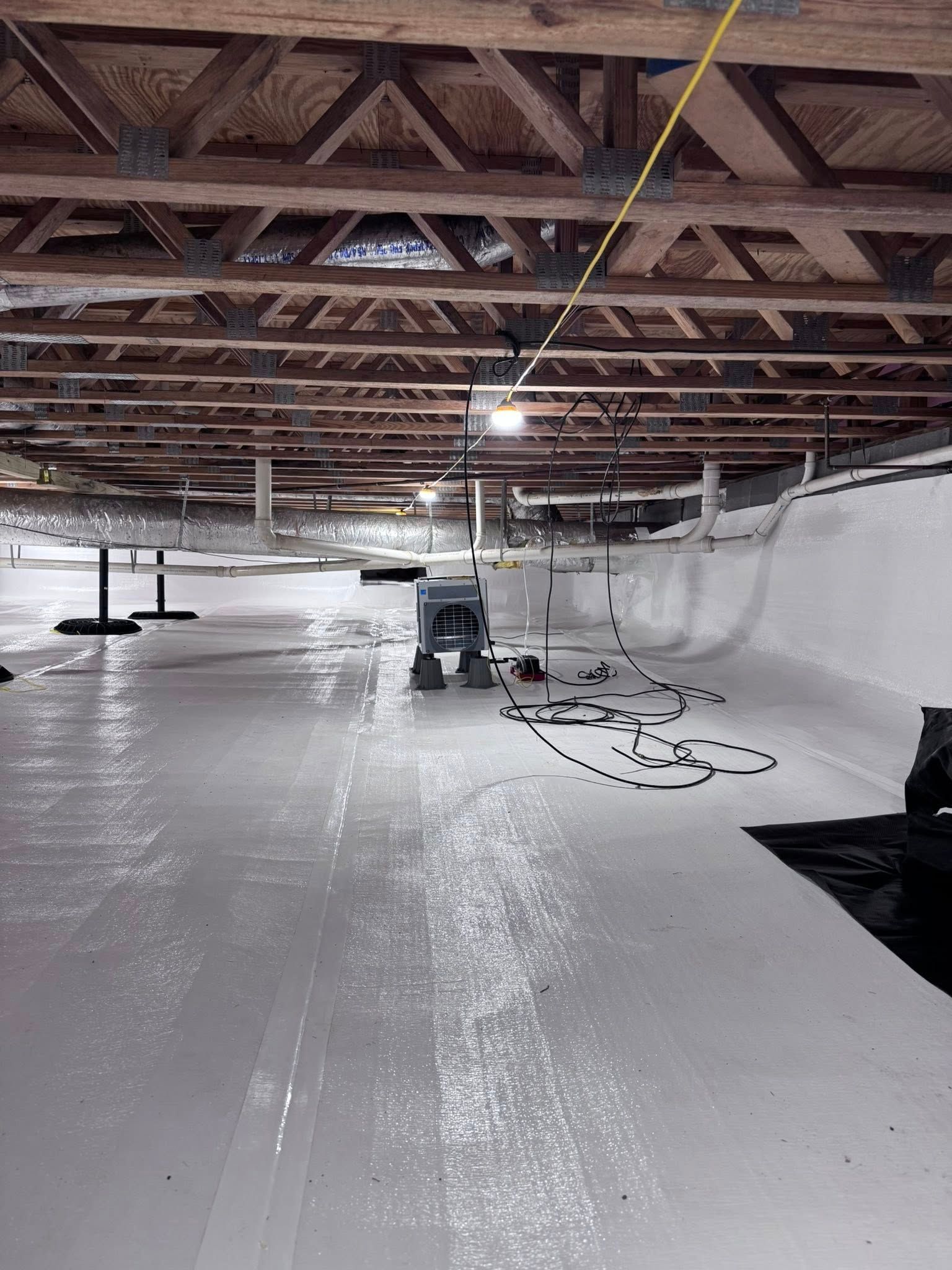
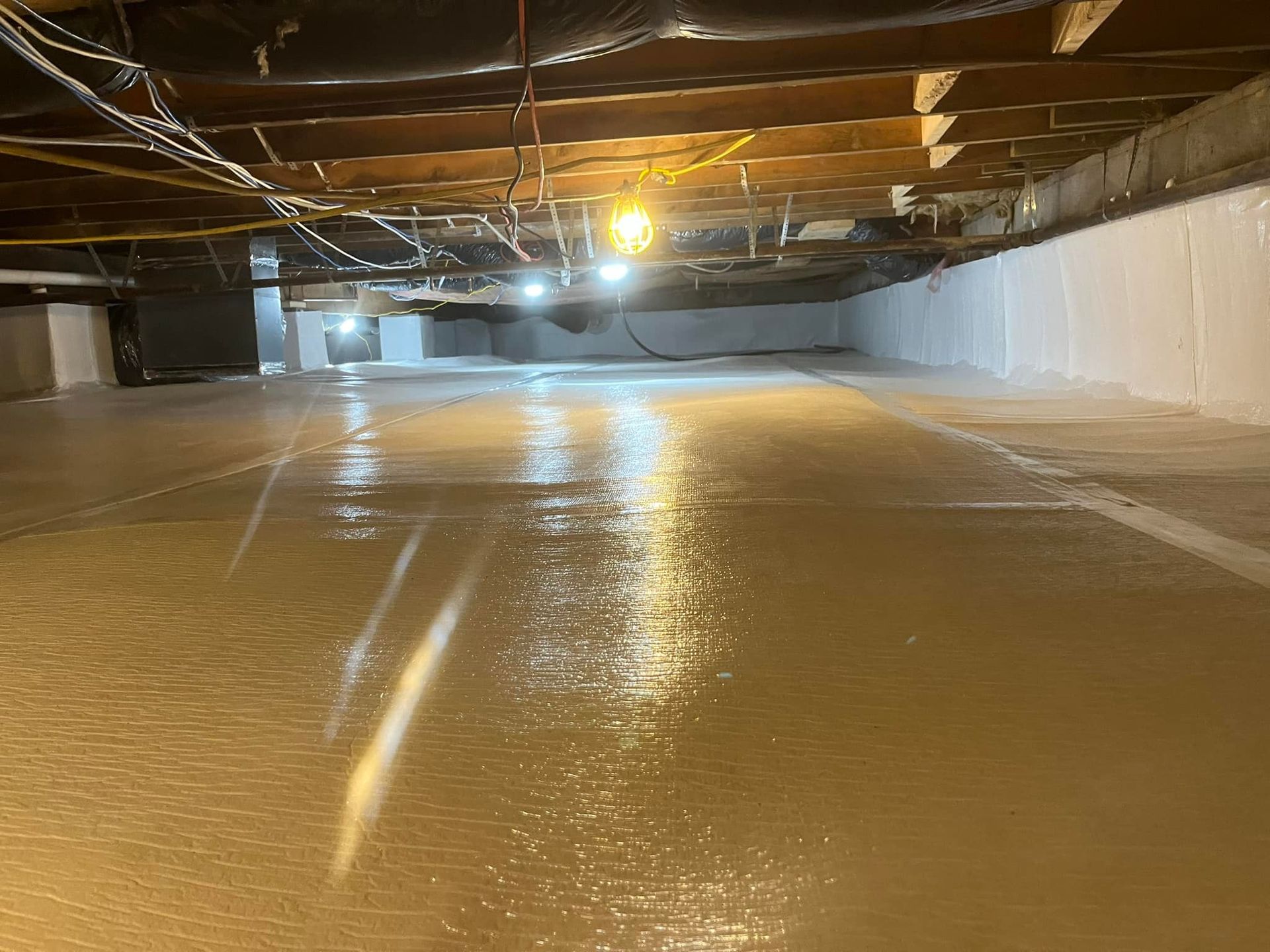
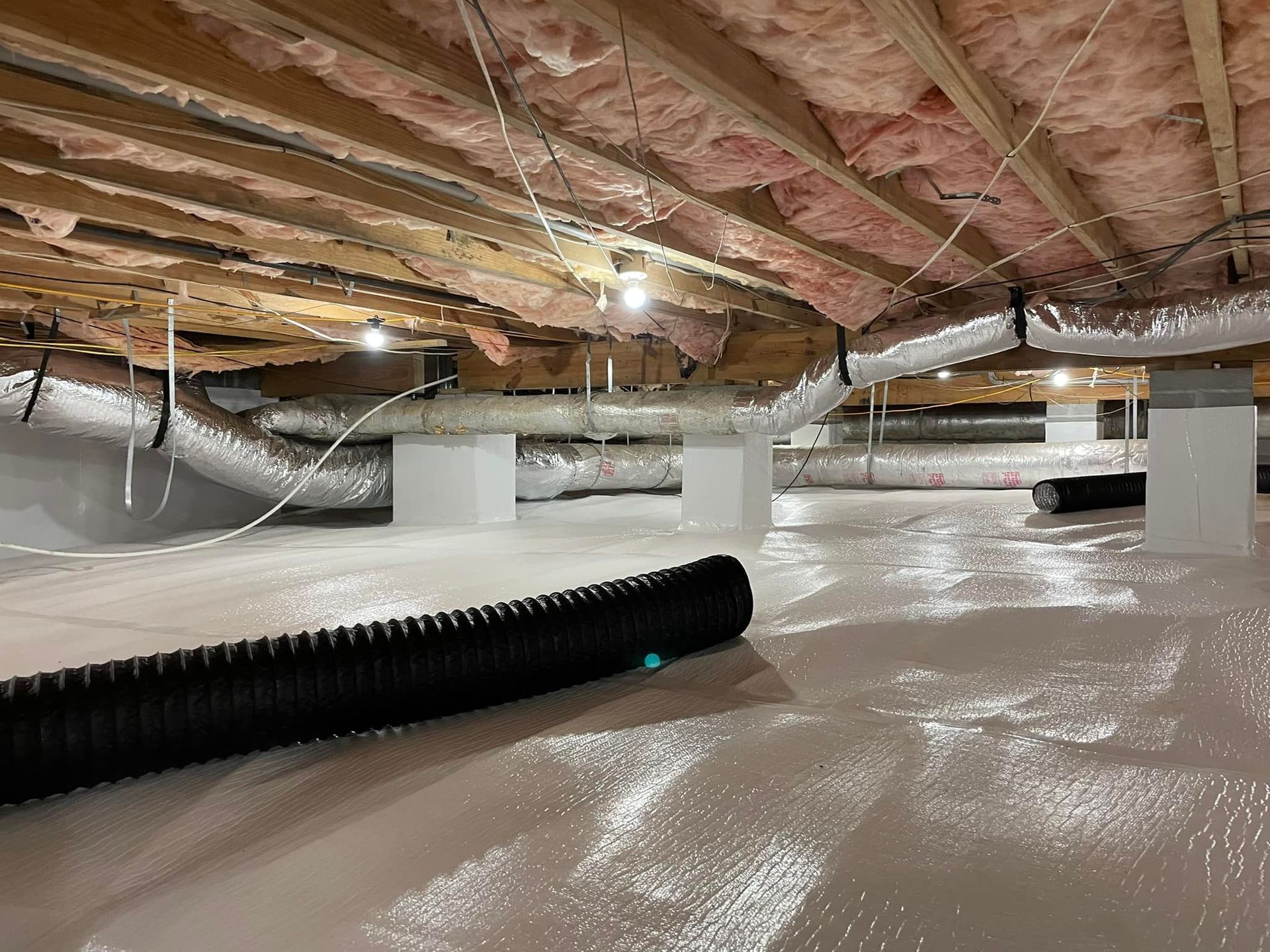
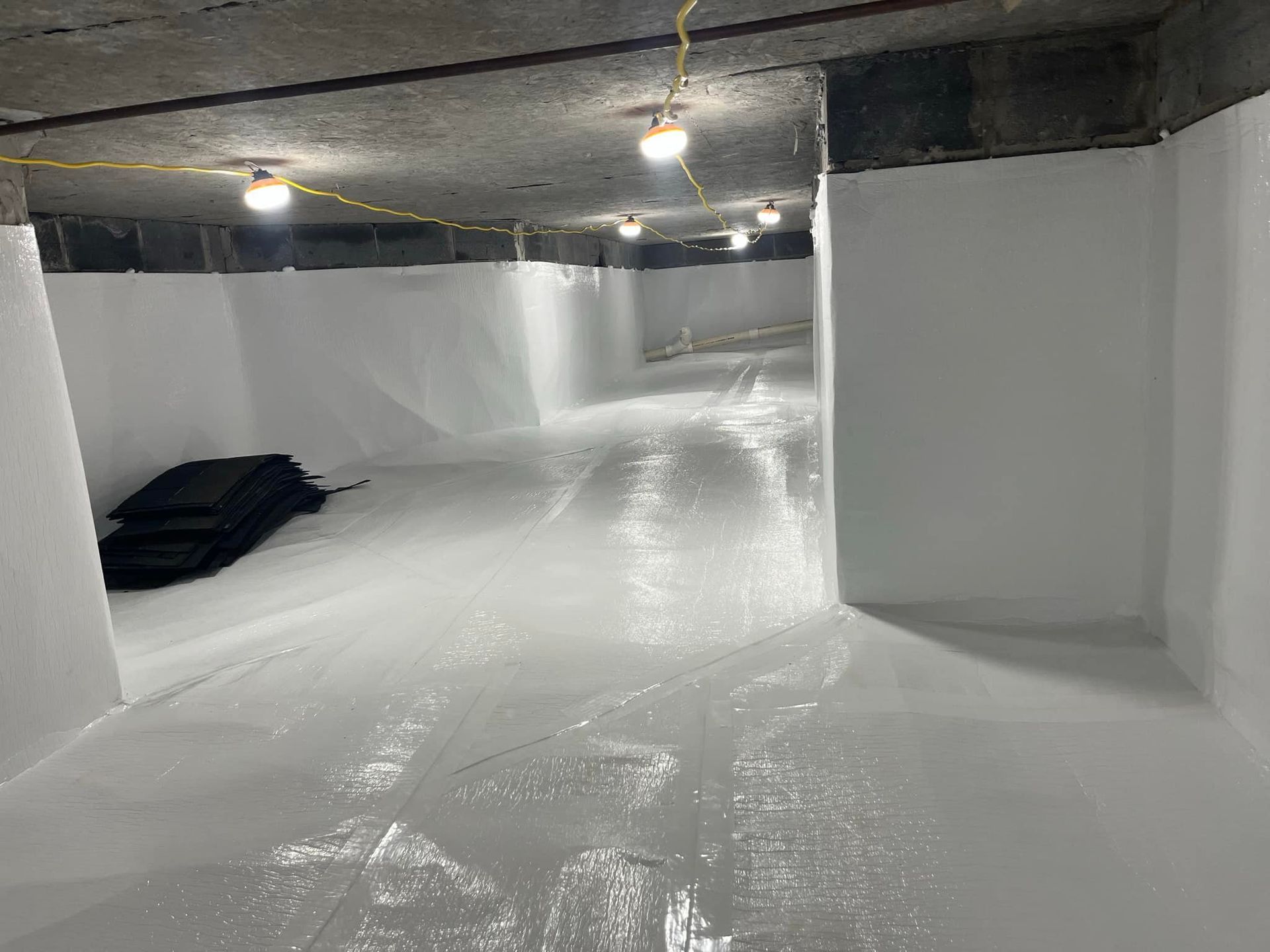
I'm out in Farragut today installing an encapsulation with drainage. And I wanted to show you something that might save you thousands of dollars.
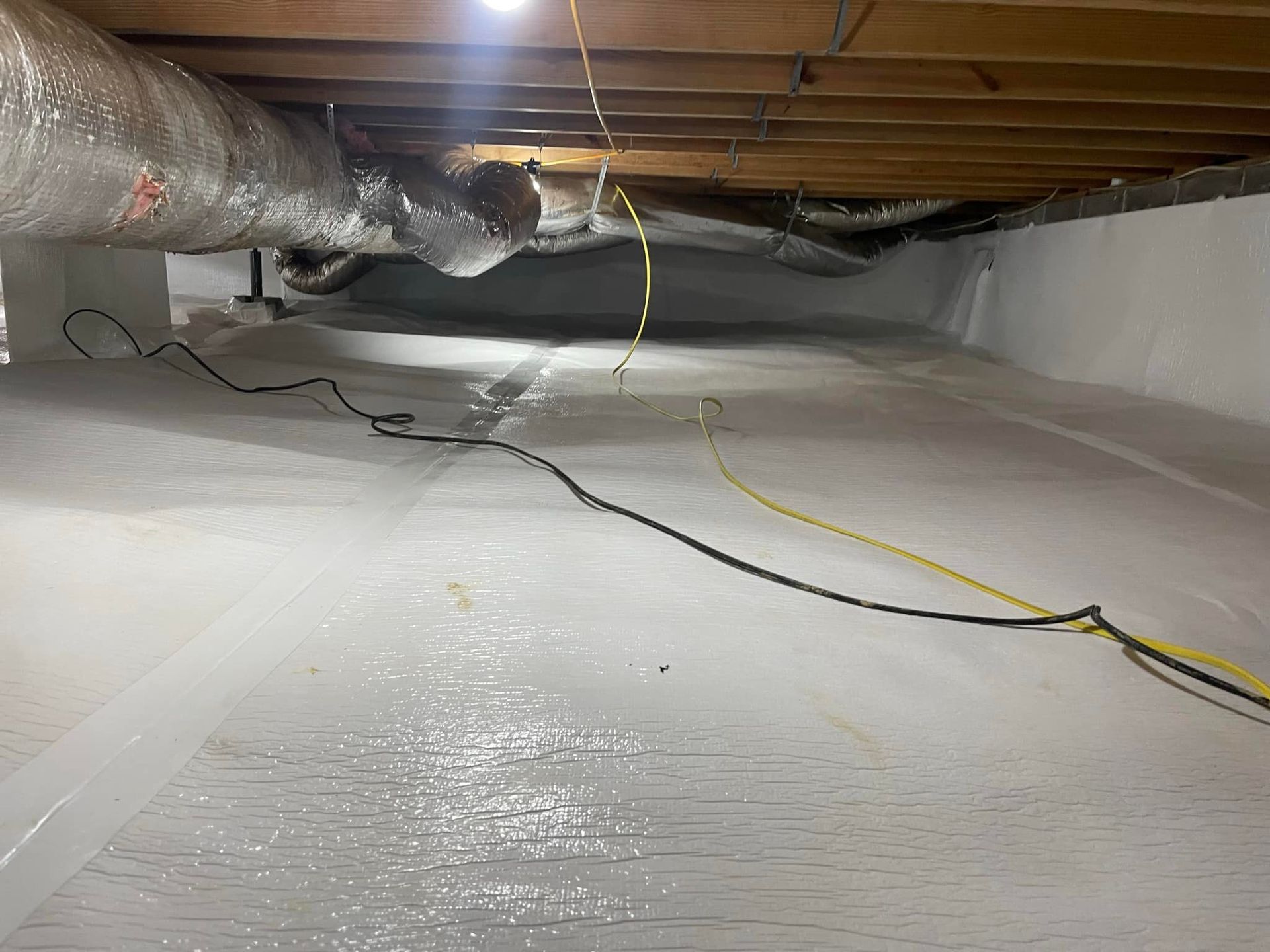
See this flat strip of drainage? This is all this crawlspace needs. Not a full perimeter drain. Not some massive French drain system. Just targeted drainage where water actually comes in.
But here's what would happen if you got quotes from most big companies. They'd quote you a full perimeter drain whether you need it or not. That's an extra $10,000 to $15,000 on your bill for work you don't need.
I see it all the time. Homeowners getting these massive quotes for drainage systems that are way more than what their crawlspace requires. And they don't know enough to question it.
That's why I'm writing this. So you know what questions to ask and how to tell if you're being sold something you don't actually need.
Understanding Drainage Options
Let me break down the different types of drainage we use. Nothing complicated, just what you need to know.
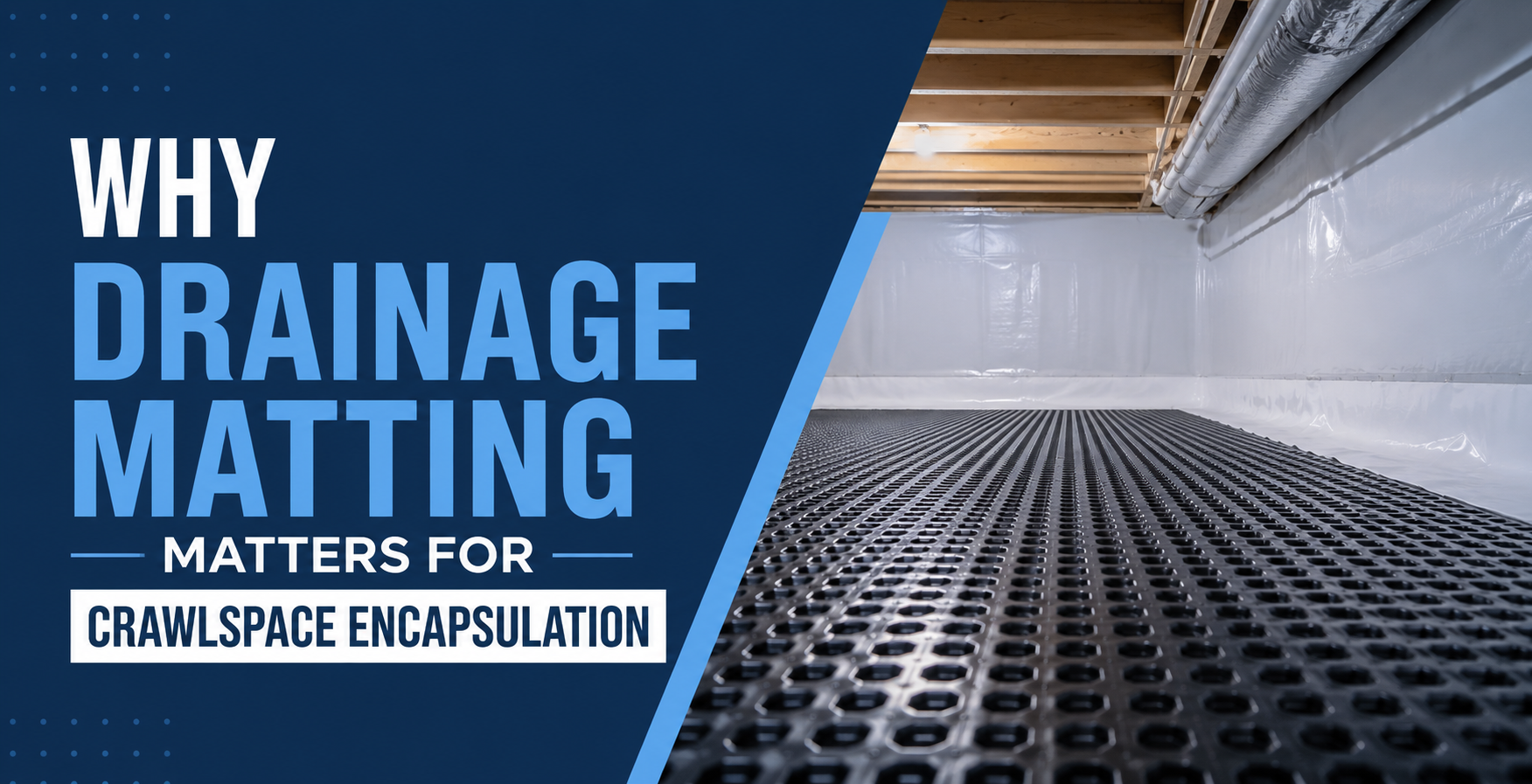
Hydraway flat strip drainage is what you see in this crawlspace. It's a flat strip that we install sideways with the top exposed. Water running on the surface trickles into it and gets carried to the sump pump. It works great for light to moderate water entry.
A full perimeter drain goes around the entire crawlspace. We trench around the perimeter, install drainage pipe, and run everything to a sump pump. This is necessary when you've got water coming in from multiple areas or heavy water intrusion.
French drain systems are even more involved. We're talking about excavating, adding gravel beds, multiple layers. This is for serious water problems or high water table situations.
Sump pump installation is pretty standard across the board. We put in a proper basin, surround it with gravel for drainage, and discharge the water far enough away that it won't flow back toward your foundation.
Here's the thing. Each of these solutions has its place. The problem is when companies quote you the most expensive option regardless of what you actually need.
This crawlspace has very little water entry. So we're using single strips of drainage in the areas where water does come in. If it had more water, we'd double or triple it up. Heavy water? We'd add gravel. Serious problems? Then we'd talk about a full perimeter system.
But we're not doing that here because it doesn't need it. And that's how it should work.
How We Assess What You Actually Need
When I do an inspection, I'm looking at specific things. Not just checking boxes on some corporate form.
First, I'm finding the actual water entry points. Where is water getting in? Is it one corner? Multiple areas? The whole perimeter? I'm looking for water stains on the foundation walls, damp soil, signs of pooling.
Then I'm measuring how bad the problem is. Is this light seepage after heavy rain? Or is there standing water every time it drizzles? That tells me how much drainage capacity you need.
I check the soil conditions and grading around your foundation. Sometimes the problem isn't even in the crawlspace. Sometimes your downspouts are dumping water right next to the house, or the ground slopes toward your foundation. We can fix that outside and save you money on drainage inside.
Based on all that, I know if you need single strips, double, triple, or a full system. This crawlspace? Single strips in two areas. Done.
Some crawlspaces genuinely need minimal drainage. And there's no reason to sell you more than that.
The Cookie-Cutter Quote Problem
Here's how most big companies operate.
They send out a salesperson - usually someone with a week of training - to look at your crawlspace. That person has a standard package they're trained to sell. Full perimeter drain. Maximum coverage. Every bell and whistle.
Why? Because it's easier to train someone to sell the same thing every time than to teach them how to actually assess a crawlspace.
And they justify it with "well, it's better to have it and not need it." That's the "just in case" upsell. Sounds reasonable until you realize you just paid $15,000 for peace of mind you could've gotten for $3,000.
The real reason is sales quotas. These salespeople get paid on commission. Bigger job, bigger check. They're not trying to rip you off personally. They're just doing what the company trained them to do.
But here's the problem. Most of these guys have never installed drainage. They don't know what actually works. They can't look at your crawlspace and say "okay, this needs coverage here and here, but not there." They just know the package they're supposed to sell.
What This Job Actually Needed
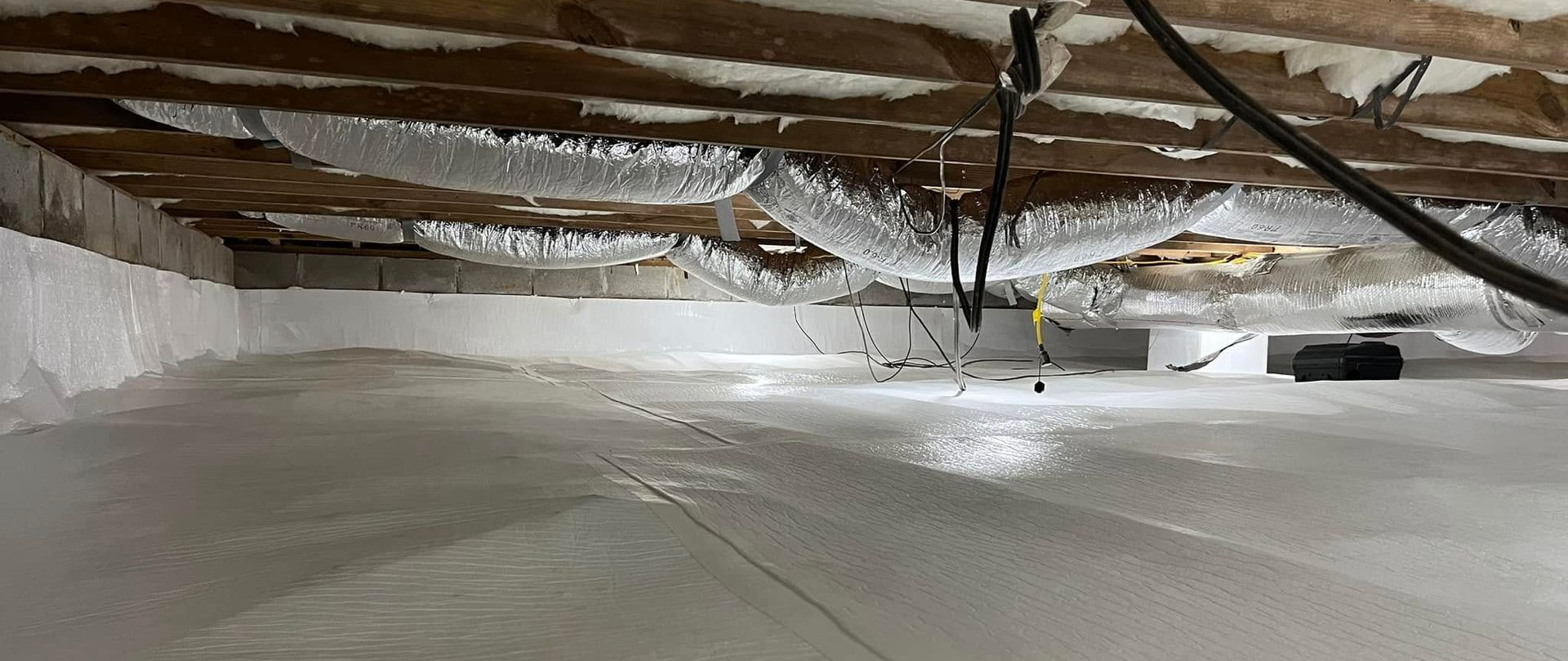
Let me walk you through this specific crawlspace so you can see the difference.
Water entry is minimal. After heavy rain, we get some seepage in two spots along the foundation wall. That's it. No standing water. No soaked soil. Just damp areas in two locations.
So we installed targeted drainage right where the water comes in. Hydraway strips placed to catch that water and channel it to the sump pump. The sump pump sits in a proper basin surrounded by gravel so water can drain into it from all sides.
We discharge that water at least 10 feet from the foundation where the ground slopes away. That way it's not coming back.
Total cost for drainage on this job? A fraction of what a full perimeter system would run.
A big company would've quoted this customer $12,000 to $18,000 for a full perimeter drain. We solved the actual problem for way less. And it works just as well - actually, better, because we're not over-engineering something that doesn't need it.
That's the difference between someone trying to hit a sales number and someone trying to fix your crawlspace.
How to Evaluate Drainage Quotes
If you're getting quotes for crawlspace drainage, here's what you need to ask.
"Where exactly is water entering my crawlspace?" They should be able to point to specific areas. If they just say "everywhere" or "around the perimeter" without showing you evidence, that's a red flag.
"Why are you recommending this type of drainage?" Ask them to explain. If they can't tell you why a full perimeter drain is necessary for your specific situation, they're probably just selling a package.
"Can I see where you're planning to install the drainage?" Get specific. Make them walk you through it. If they're vague or can't explain the layout, they don't really know what they're doing.
"What would happen if we only did drainage in the problem areas?" See how they respond. A good contractor will give you options. A salesperson will pressure you into the full system.
"Have you personally installed drainage systems?" This matters. You want someone quoting your job who actually knows how to do the work, not just how to sell it.
Red flags to watch for: refusing to give you options, pressure to decide today, can't explain their assessment process, quotes every crawlspace the same way.
Trust your gut. If something feels like overkill, it probably is.
Get an Honest Assessment
If you're dealing with water in your crawlspace, let's take a look.
I'll come out personally or send one of my managers. We'll find where the water is coming in. We'll show you the evidence. And we'll explain what needs to happen to fix it.
You'll get options. If you only need targeted drainage, I'll tell you that. If you need a full system, I'll explain why. And I'll price both so you can make the decision that works for your budget.
No cookie-cutter quotes. No pressure to buy the biggest package. Just an honest look at your crawlspace and a real solution.
We'll document everything with pictures. You'll see exactly what we're seeing. And you can take that information and get other quotes if you want. I'm confident in what we provide.
Ready to find out what your crawlspace actually needs?