High Radon Levels After Mitigation? Your Crawl Space Might Be the Problem
Why Even the Biggest Radon Fan Can't Fix an Unsealed Crawl Space
What happens when you cut corners on equipment
I was called out to a home in Knoxville last week where the homeowners were frustrated.
They'd had a radon mitigation system installed a couple years back.
When their radon levels stayed high, the radon company came back and installed an even bigger fan.
Still didn't work.
That's when they reached out to me.
And within minutes of getting into their crawl space, I could see exactly why their radon levels weren't coming down - no matter how big the fan was.
The issue wasn't the radon system itself.
It was what was happening underneath it.
Their crawl space was working against the mitigation system instead of with it.
The Problem Hiding Under Your House
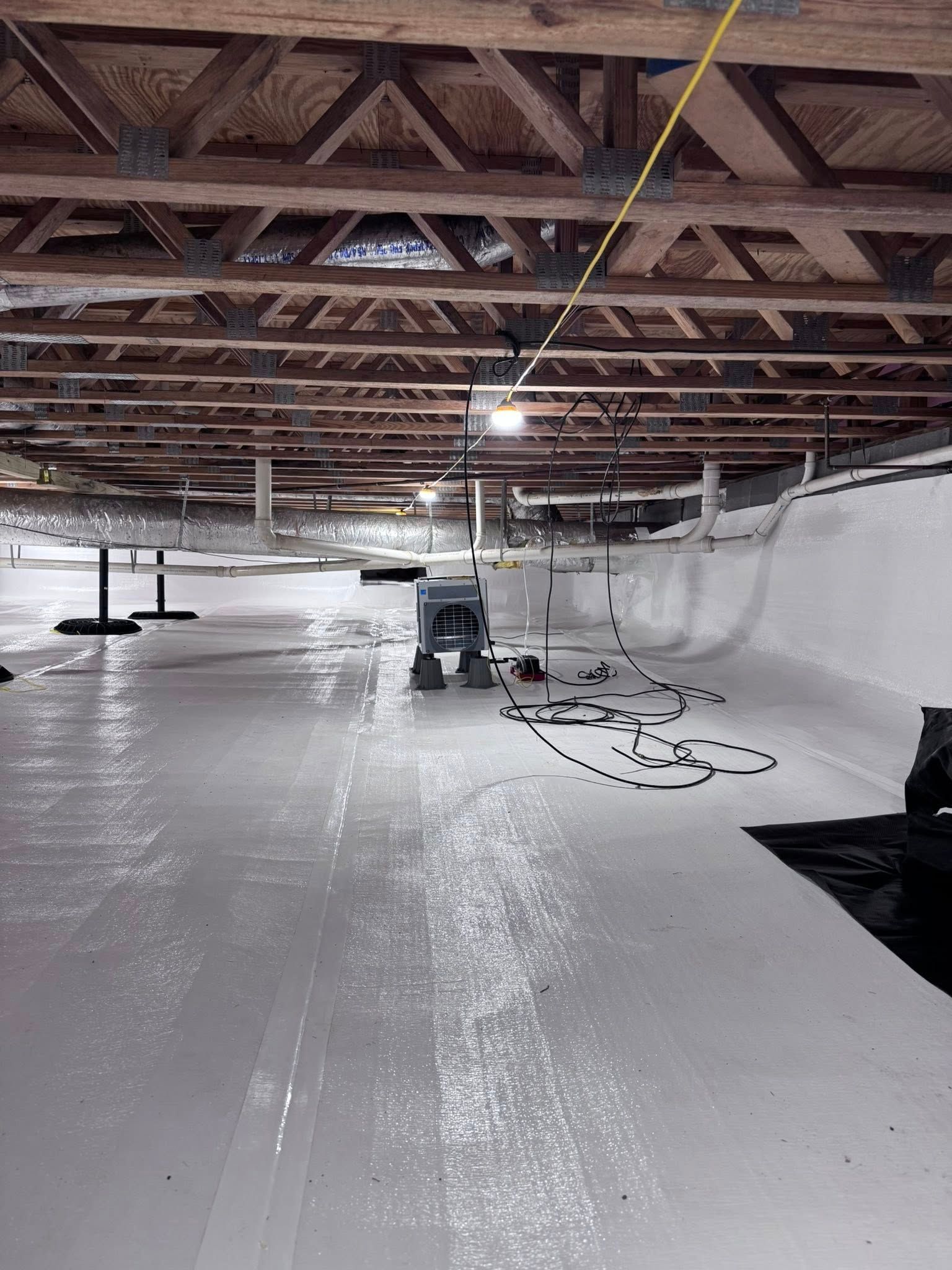
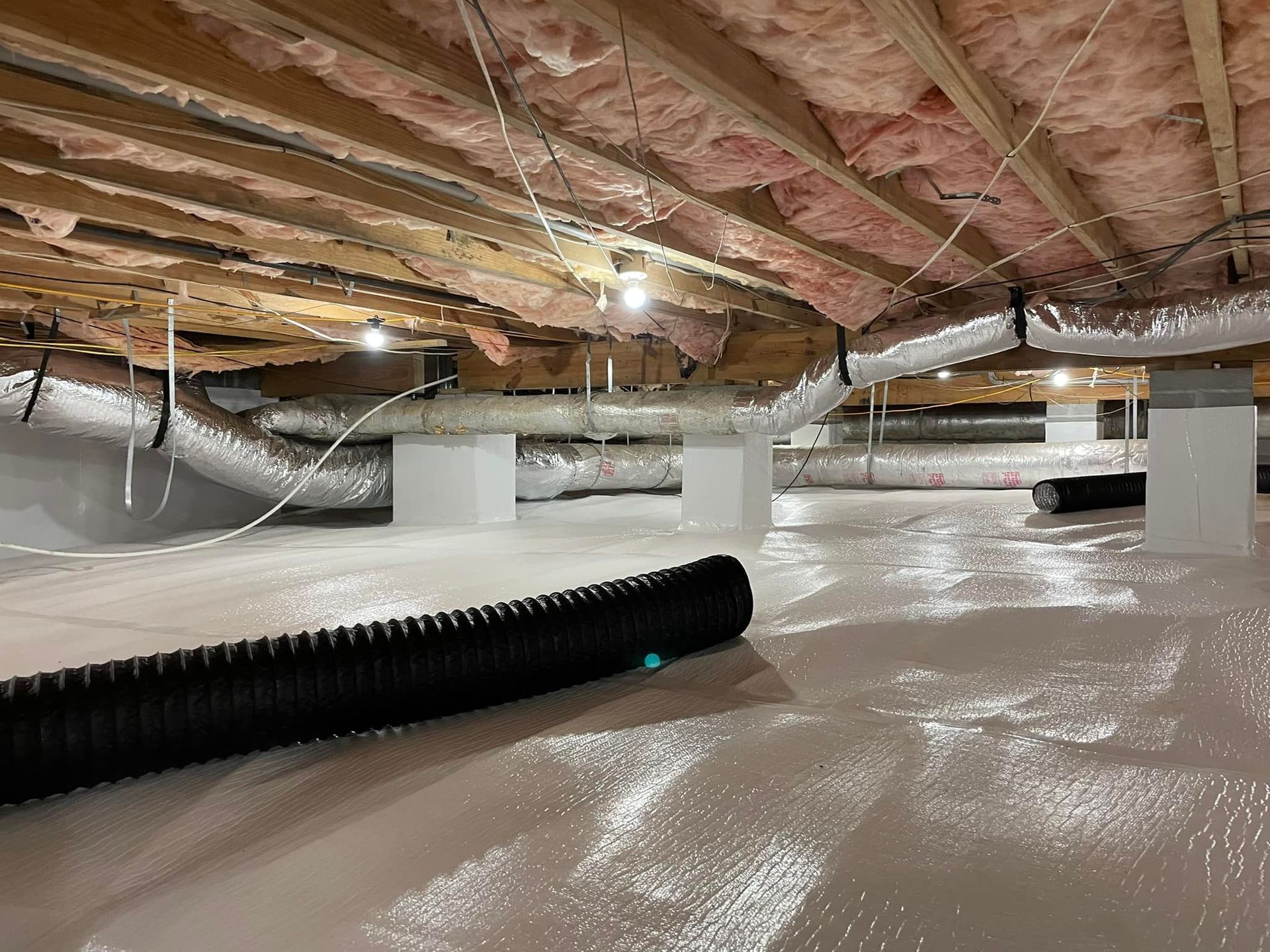
Here's what I found: they had a radon pipe installed under their vapor barrier, which is standard. But the vapor barrier itself was just overlapped - not sealed. Think about what that means.
All those soil gases, including radon, can still come up through the gaps. They slip around the edges where the plastic meets the walls. They escape through the overlapped seams. The radon fan is pulling from under the barrier, but the gases are finding easier paths up into your home.
It's like trying to drink through a straw when the lid on your cup has holes in it. The suction is there, but it's not doing what you need it to do.
Understanding the Stack Effect
Now here's where it gets interesting. Even if you could seal every gap perfectly, there's another force at work called the stack effect.
Your crawl space is usually cooler than your living space. As warm air rises in your house, it creates a vacuum effect that pulls air up from below - kind of like a chimney working in reverse. That air has to come from somewhere, and it's coming from your crawl space.
When your crawl space and living space have very different temperatures, this effect gets stronger. More air gets pulled up, and it happens faster. So even if your radon system is pulling some gases out, the stack effect is pulling more of them into your home before the system can catch them.
Why Encapsulation Makes Radon Systems Work
This is where crawl space encapsulation changes everything. When we properly encapsulate a crawl space, we're doing two critical things that help your radon system actually work.
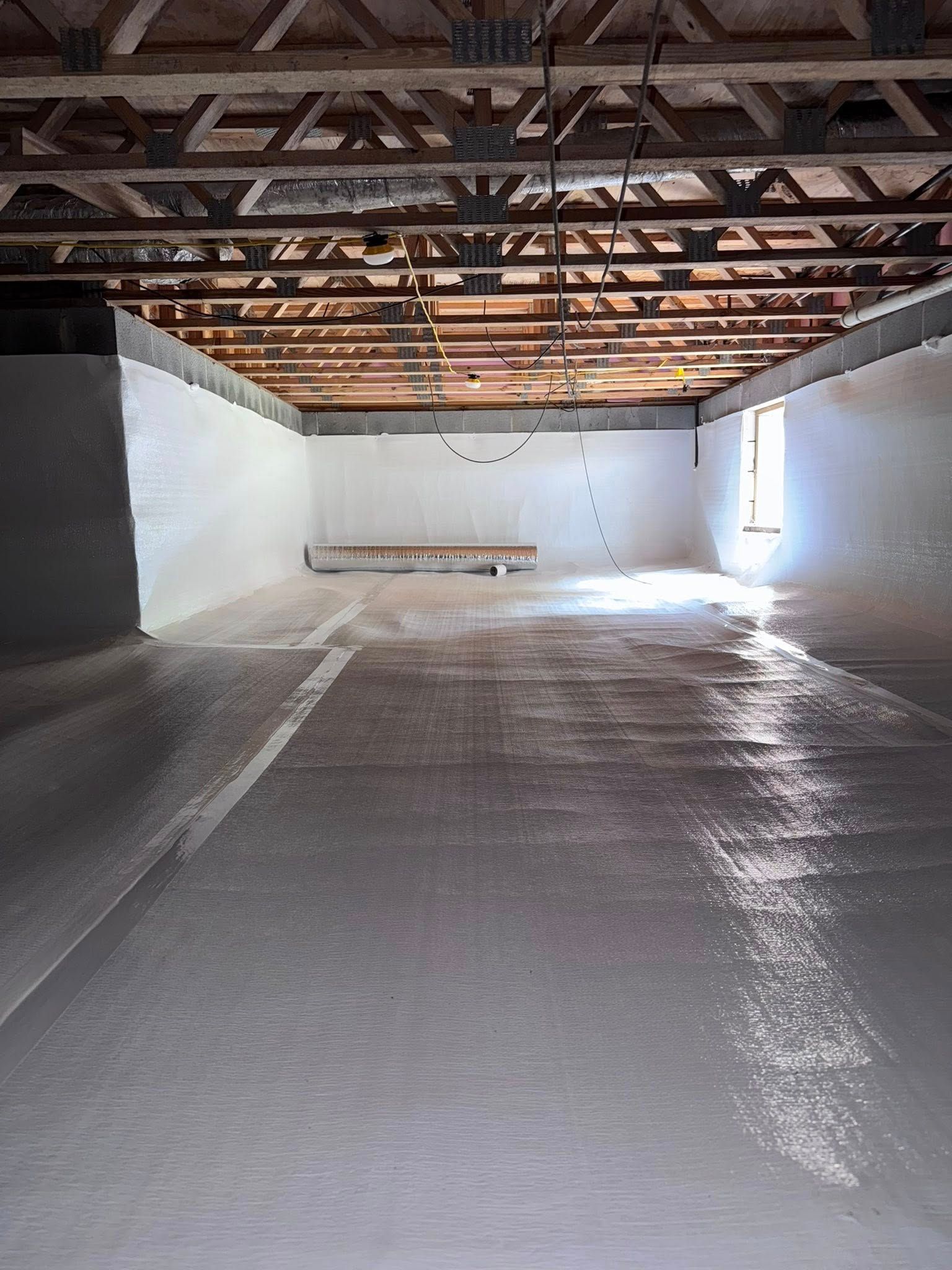
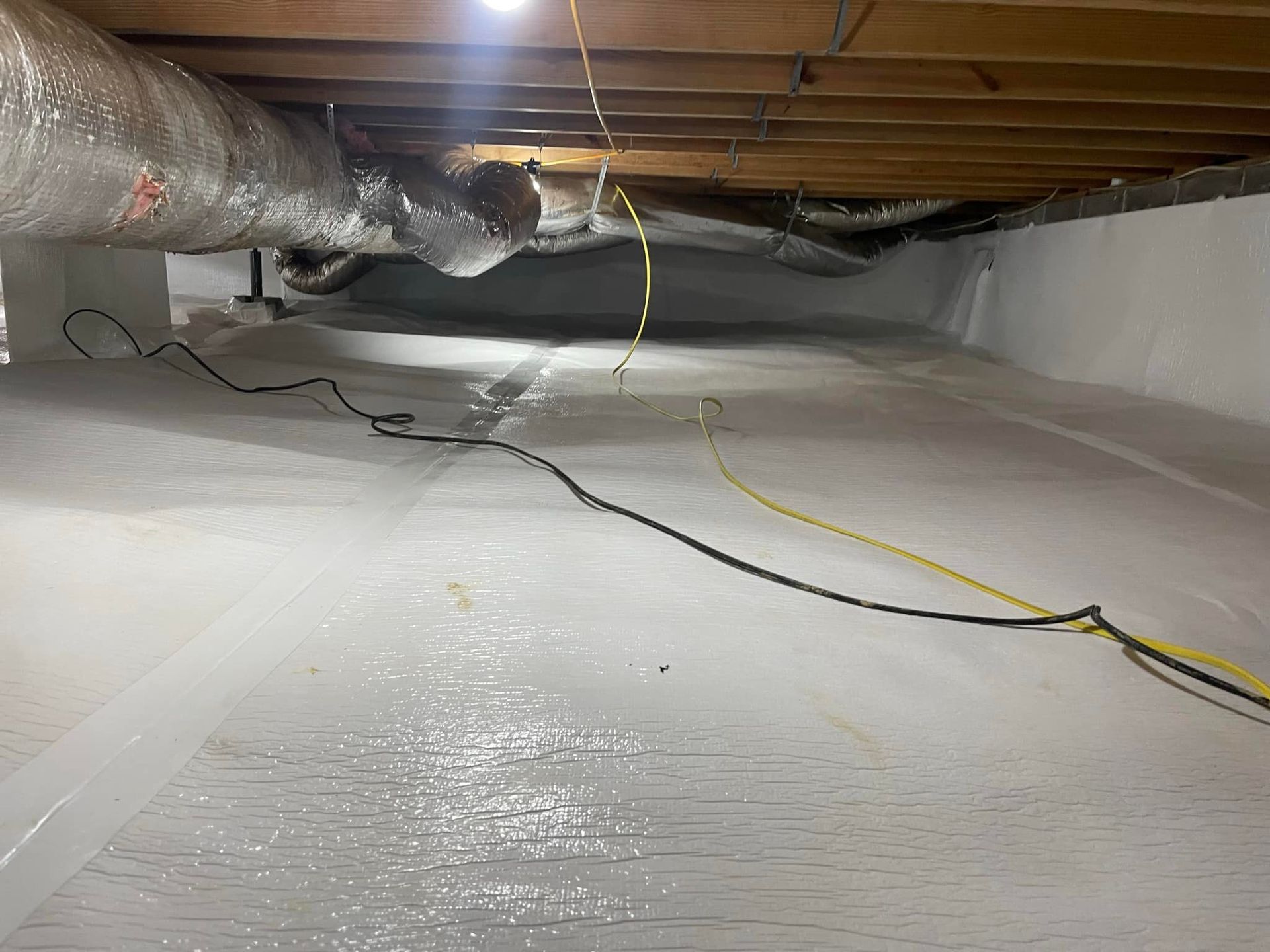
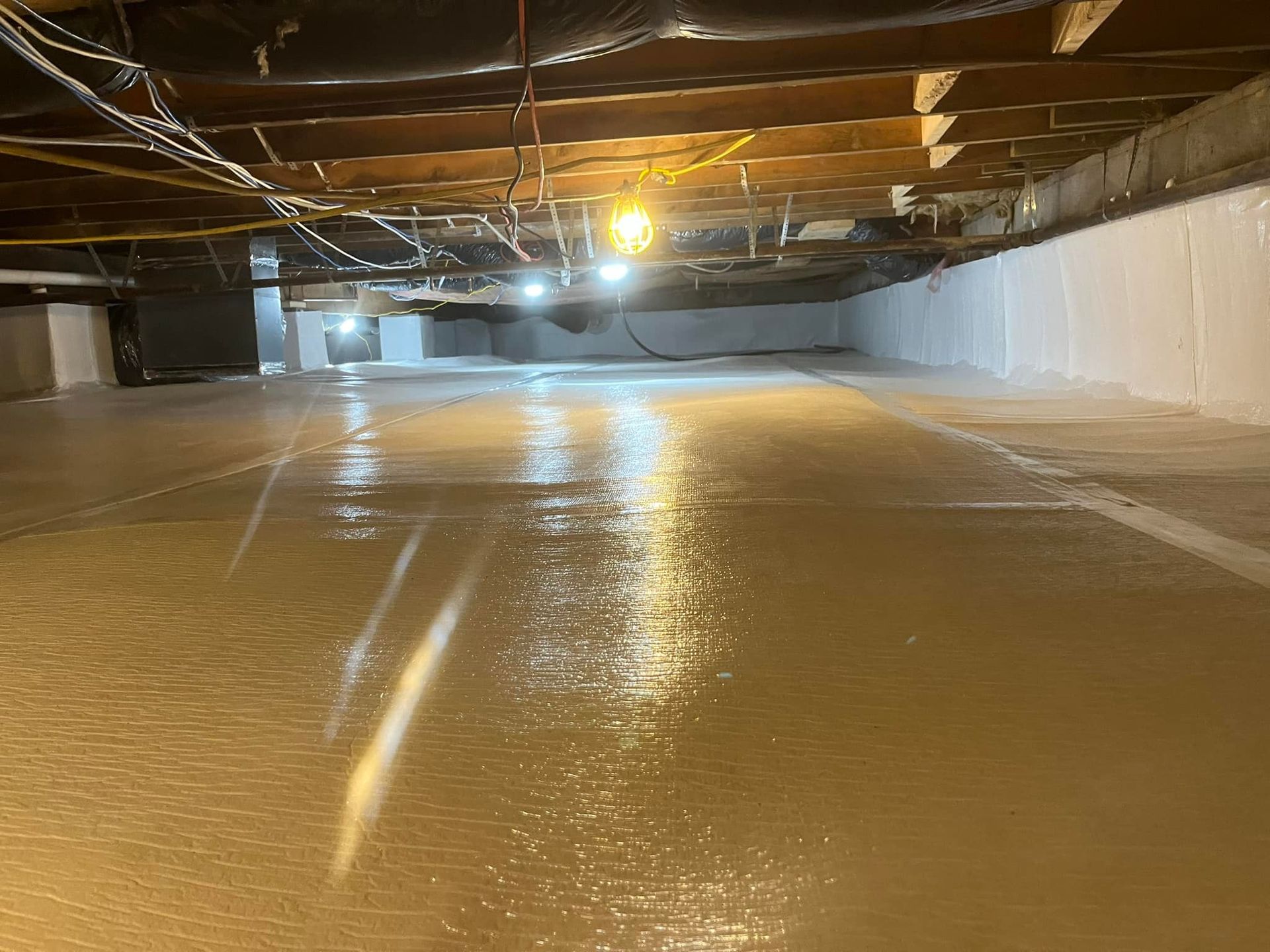
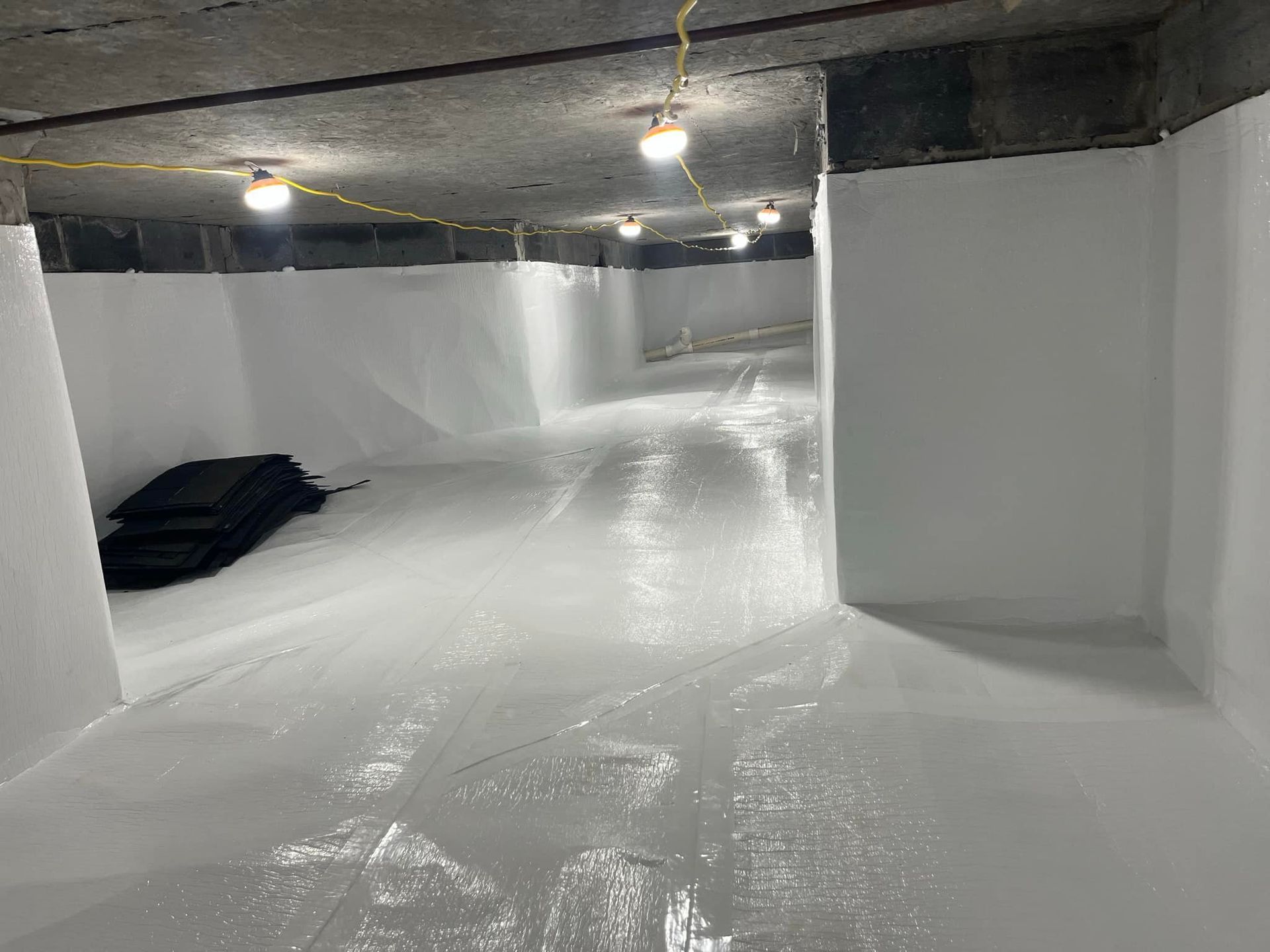
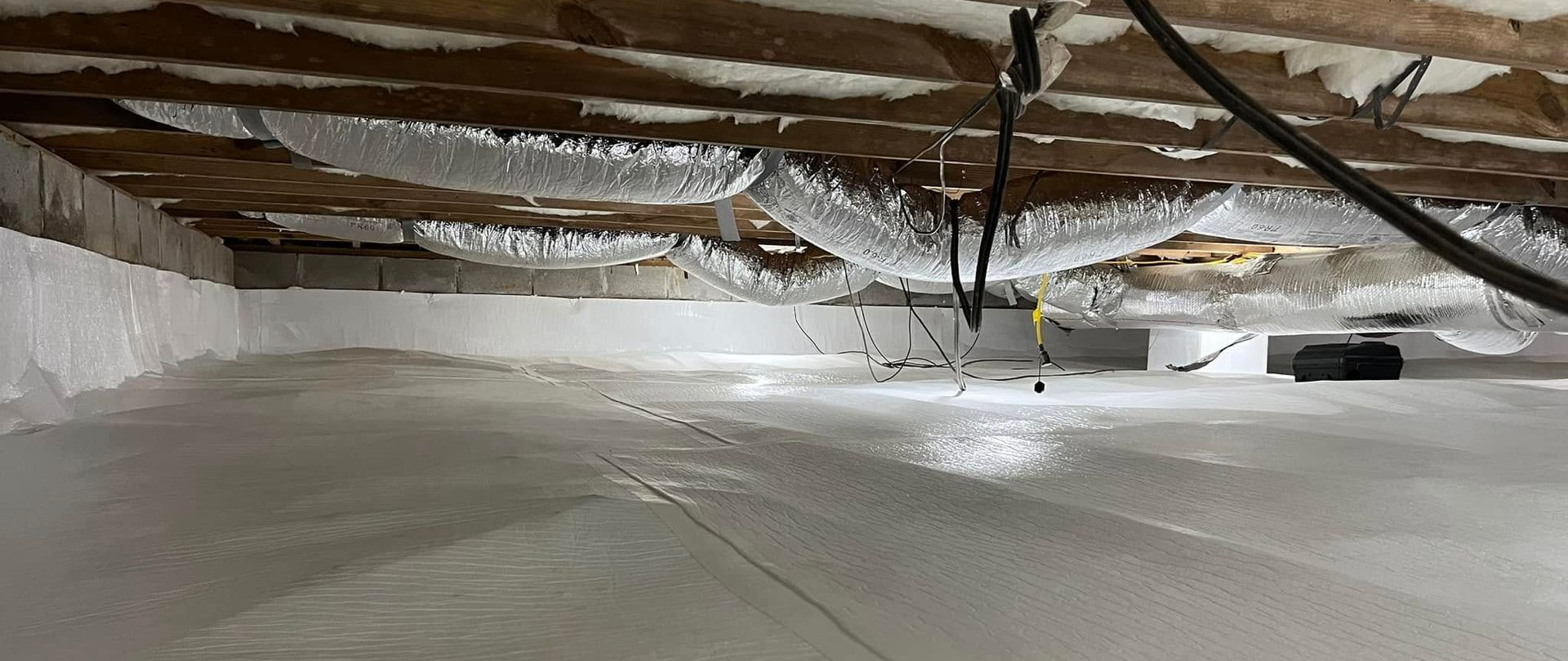
First, we seal everything completely. The vapor barrier gets attached to the walls with no gaps or overlaps. Every seam is sealed. Now the radon system can pull efficiently from the entire space because there aren't easy escape routes for the gases.
Second, encapsulation brings your crawl space temperature closer to your living space temperature. This reduces the stack effect significantly. Radon gases that settle in the crawl space now have time to be pulled out by the mitigation system before they get sucked up into your home.
Your radon system finally has a fighting chance to do what it was designed to do.
What Proper Crawl Space Sealing Actually Means
Let me be clear about what I mean by proper sealing. This isn't just throwing down plastic and calling it done.
A properly sealed crawl space has a vapor barrier that's attached directly to the foundation walls. Every seam is taped or sealed. The barrier works with your radon mitigation system instead of against it. Everything is integrated so both systems can be as efficient as possible.
When radon companies recommend encapsulation, this is what they're talking about. They understand that their equipment can only do so much if the space isn't properly prepared for it.
Protect Your Home and Your Family
Look, I recommend crawl space encapsulation for almost every home I inspect. But when you're dealing with radon, it becomes even more important.
You've already invested in a radon mitigation system because you care about your family's health. Don't let an unsealed crawl space undermine that investment. Encapsulation helps your radon system work the way it should - efficiently pulling gases out before they can enter your living space.
If your radon levels are still high after mitigation, your crawl space is probably the missing piece. Let's take a look and see what's really going on under your house.