How Moisture Destroys Floor Joists Without You Knowing
The Damage You Can't See From Upstairs
WHY CRAWL SPACE MOISTURE IS WORSE THAN YOU THINK
I got a call from a homeowner in Maryville who was on the fence about even scheduling an inspection.
They thought they might have a small leak in one spot, but they weren't sure.
The homeowner hadn't been under the house to look, and honestly, they were second-guessing whether it was worth having me come out.
"It's probably not that bad," they said. "Maybe just one spot."
So I show up, crawl under the house, and within the first few minutes I'm looking at floor joists that are completely deteriorated.
I'm talking soft enough that I can push my finger right through the wood.
Multiple joists with cracks running through them. Old insulation falling apart everywhere.
This wasn't a small leak in one spot.
This was years of moisture damage that had been sitting there doing its thing while nobody knew about it.
And here's what gets me - this is completely normal.
Most homeowners have no idea what's happening under their house.
You can't see it from upstairs. You can't feel it walking around on your floors.
The damage is just quietly happening in a space most people never go.
That's exactly why moisture in your crawl space is so dangerous.
By the time you know there's a problem, it's usually been a problem for a long time.
What Moisture Actually Does to Floor Joists
Let me break down what's actually happening when moisture gets into your crawl space and starts attacking your floor joists.
Wood rot doesn't happen overnight. It's a slow process that starts with consistent moisture exposure. Your crawl space gets humid - maybe from standing water, maybe from poor ventilation, maybe from moisture coming up through the ground. That humidity soaks into the wood of your floor joists.
Once that wood stays damp for long enough, fungal growth starts. Not the kind you can see right away, but microscopic stuff that's breaking down the wood fibers from the inside. The wood starts getting soft. Loses its structural integrity. Eventually, you can literally push your finger into it like I did in this Maryville crawl space.
The worst part? You won't know any of this is happening from inside your house.
Your floor joists are under your subfloor. You're walking around upstairs, everything seems fine. Maybe you notice a slightly musty smell sometimes, but you figure it's just an old house. Maybe one room feels a little bouncier when you walk across it, but not enough to worry about.
Meanwhile, under your house, those joists are deteriorating. Developing cracks. Getting weaker and weaker.
The timeline on this is usually years. This doesn't happen in a few months. The moisture has to be consistent, sitting there day after day, slowly breaking down the wood. In this particular crawl space, I'd guess this damage has been developing for at least 3 to 5 years, maybe longer.
By the time you're seeing soft spots in your floor or feeling bounce when you walk, the joists are already in bad shape. And if you're seeing actual cracks in your joists - like the multiple cracks I found in this crawl space - that's serious structural damage that needs to be addressed immediately.
The Warning Signs Most People Miss
So how do you know if you've got moisture problems eating away at your floor joists? Here are the signs most homeowners overlook.
First, if you're thinking "it's probably just one spot" - it's usually not just one spot. Moisture doesn't stay contained. If you've got enough humidity in your crawl space to cause damage in one area, it's affecting other areas too. This homeowner thought they had one small leak. Turned out we had rotted joists and deteriorating insulation throughout the entire space.
Musty smells are a big one. If your house smells musty, especially in certain rooms or when you first walk in, that's not normal. That smell is coming from somewhere, and a lot of times it's coming from your crawl space. Remember, about 50% of the air in your home comes up through your crawl space. If it smells musty down there, you're breathing that air upstairs.
Bouncy or soft floors are another warning sign people ignore. They'll say "oh, it's just an old house" or "that room's always been like that." But floors shouldn't feel bouncy. If they do, it means something under there isn't supporting the weight like it should. Could be deteriorated joists, could be insulation that's gotten so heavy with moisture it's pulling away from the subfloor. Either way, it's worth checking out.
And here's the biggest warning sign of all - if you haven't been in your crawl space in years, or ever, you have no idea what's happening down there. This homeowner hadn't crawled under his house. Had no clue the joists were rotting. That's not unusual - most people never go in their crawl space. But that doesn't mean problems aren't developing..
What I Found in This Crawl Space
Let me walk you through what I actually found when I crawled under this house in Maryville.
Right away, I see a joist with a pretty sizable crack running through it. I'm talking a crack you can see clearly, not just a hairline fracture. That's a structural issue right there.
I keep crawling, and there's another cracked joist a few feet away. Now I'm starting to realize this isn't just one problem area - this is happening throughout the crawl space.
Then I start looking at the condition of the wood itself. These joists are soft. Completely deteriorated. I can push my finger into the wood without even trying hard. That's how rotted they are.
There's old insulation hanging down everywhere, falling apart, completely soaked with moisture. It's doing absolutely nothing at this point except holding humidity against the subfloor.
All of this is classic moisture damage. This isn't from a one-time leak or a recent problem. This is years of consistent moisture exposure breaking down everything under this house.
And the homeowner had no idea. They were questioning whether they even needed an inspection because they didn't think anything was wrong.
That's what I mean when I say moisture destroys floor joists without you knowing. All of this damage was happening silently, in a space the homeowner never sees, while everything seemed fine from inside the house..
Why "It's Probably Fine" Is a Dangerous Assumption
Here's the hard truth - hoping your crawl space is fine doesn't make it fine.
I get why people avoid crawl space inspections. Nobody wants to find out they have problems. It's easier to assume everything's okay and not think about it. But moisture doesn't care whether you're thinking about it or not. It just keeps doing damage.
The thing about moisture damage is it works slowly and quietly. You don't wake up one morning and suddenly have rotted floor joists. It takes years. But once it's happening, it doesn't stop. It just keeps getting worse.
In this crawl space, if we'd waited another year or two before inspecting? Those cracked joists could've failed completely. We'd be looking at sagging floors, major structural repairs, potentially even safety issues. The cost to fix it would've been way higher.
Catching this stuff early makes a massive difference. Right now, we can sister these joists, get the moisture under control, and prevent further damage. That's fixable. It's not cheap, but it's manageable.
Wait until joists are failing and floors are sagging? Now you're talking about a much bigger, much more expensive project.
The homeowner who says "it's probably fine" and puts off the inspection for another year is just giving the problem more time to get worse. And the problem will get worse. Moisture damage doesn't fix itself.
What Maryville Homeowners Should Know
If you're in the Maryville area, you should know that crawl space moisture is extremely common around here. Between our clay soil, our weather patterns, and how a lot of homes were built, we see this kind of damage all the time.
A lot of crawl spaces in this area were built with vented foundations. The idea was that outside air would flow through and keep things dry. But in our climate, that usually does the opposite - it brings in humid air that condenses in the cooler crawl space. That's a recipe for exactly what I found in this house.
So when should you get a crawl space inspection? If you're noticing any of those warning signs I mentioned - musty smells, bouncy floors, anything that makes you wonder - get it checked out. But honestly, even if you're not noticing anything, if you haven't had your crawl space inspected in years, it's worth doing.
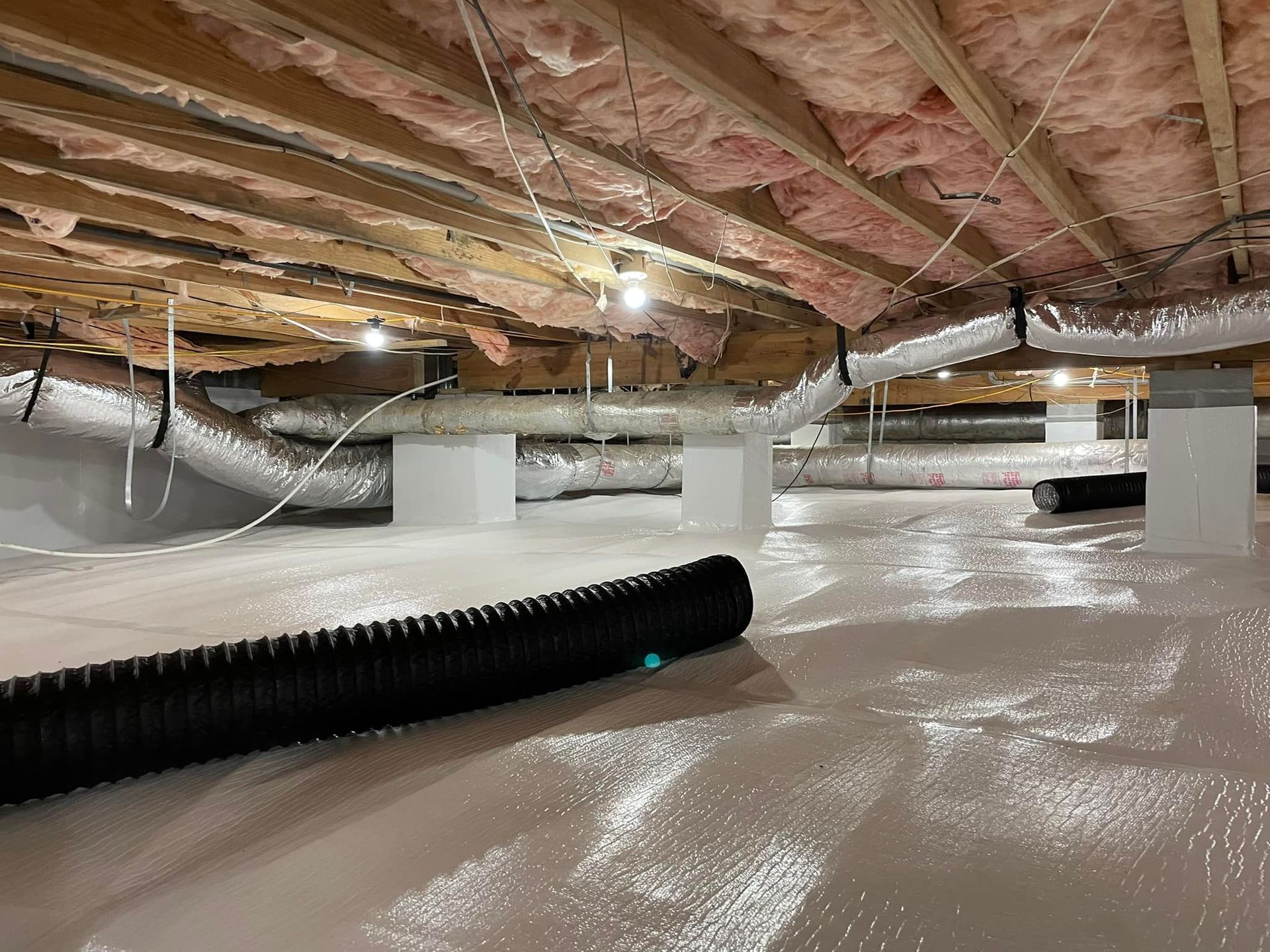
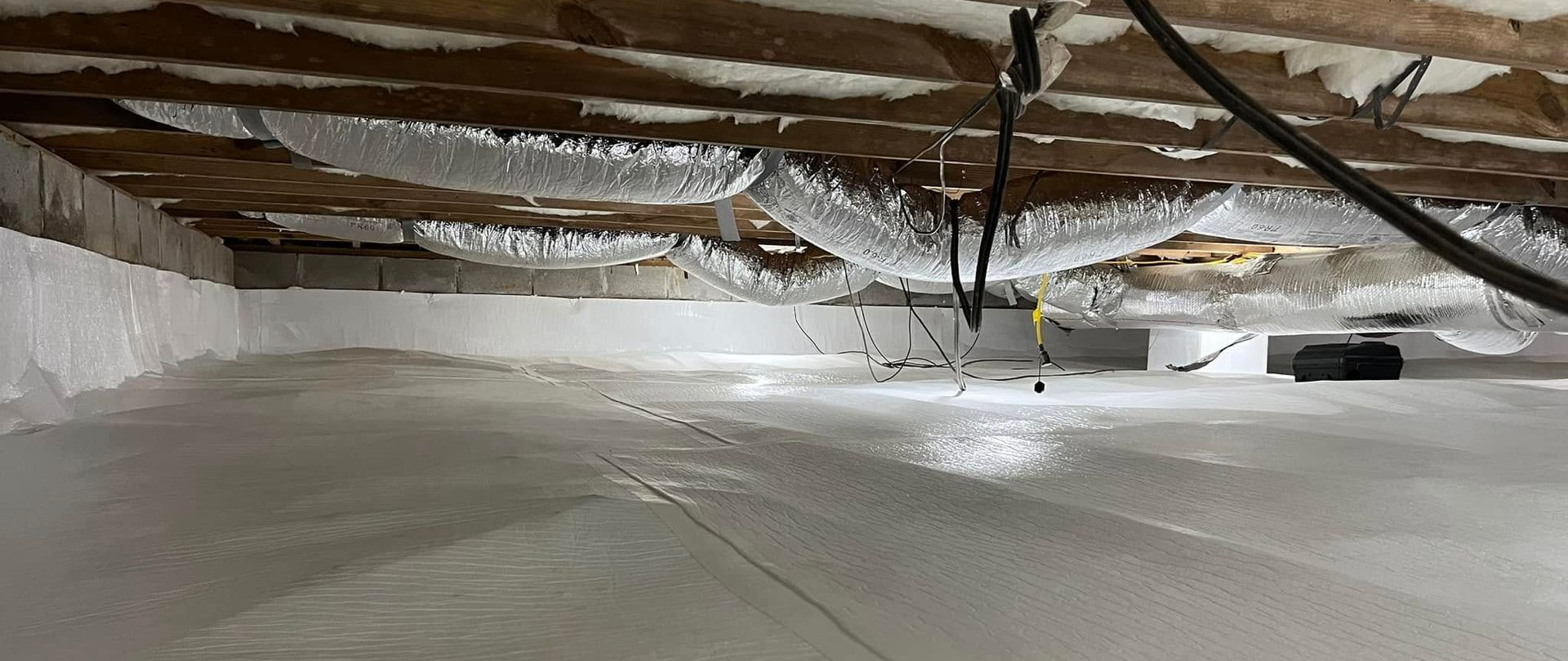
Here's what to expect during an inspection. I'm going to crawl through your entire crawl space. I'm looking at your floor joists, your insulation, your vapor barrier if you have one, any signs of moisture or standing water, your ductwork if it's down there - everything.
And I'm taking pictures of all of it. Lots of pictures. Because I'm going to sit down with you afterward and show you exactly what I found. Not just tell you - show you. You'll see the same thing I saw down there.
Ready to Find Out What's Really Happening Under Your House?
If you're in Maryville or the surrounding area and you're wondering about your crawl space, let's take a look.
We'll come out and do a free inspection. I'll crawl through your entire crawl space, document everything with photos, and then sit down with you and show you exactly what we found. You'll see the actual condition of your floor joists, your insulation, everything.
No pressure. No sales pitch. Just honest information about what's going on under your house.
You can reach out to me directly - I'm the owner, and I'm usually the one doing the inspections. We'll get you scheduled, come take a look, and give you a straightforward assessment.
Look, I get it - nobody wants to find out they have crawl space problems. But not knowing doesn't make the problem go away. It just gives it more time to get worse.
This homeowner almost didn't schedule the inspection. They thought it was probably nothing. Turned out they've got rotted joists and years of moisture damage that needs attention.
Better to know what you're dealing with now than to find out later when it's gotten worse and more expensive to fix.
Contact Forever Guard Waterproofing today for your free crawl space inspection.